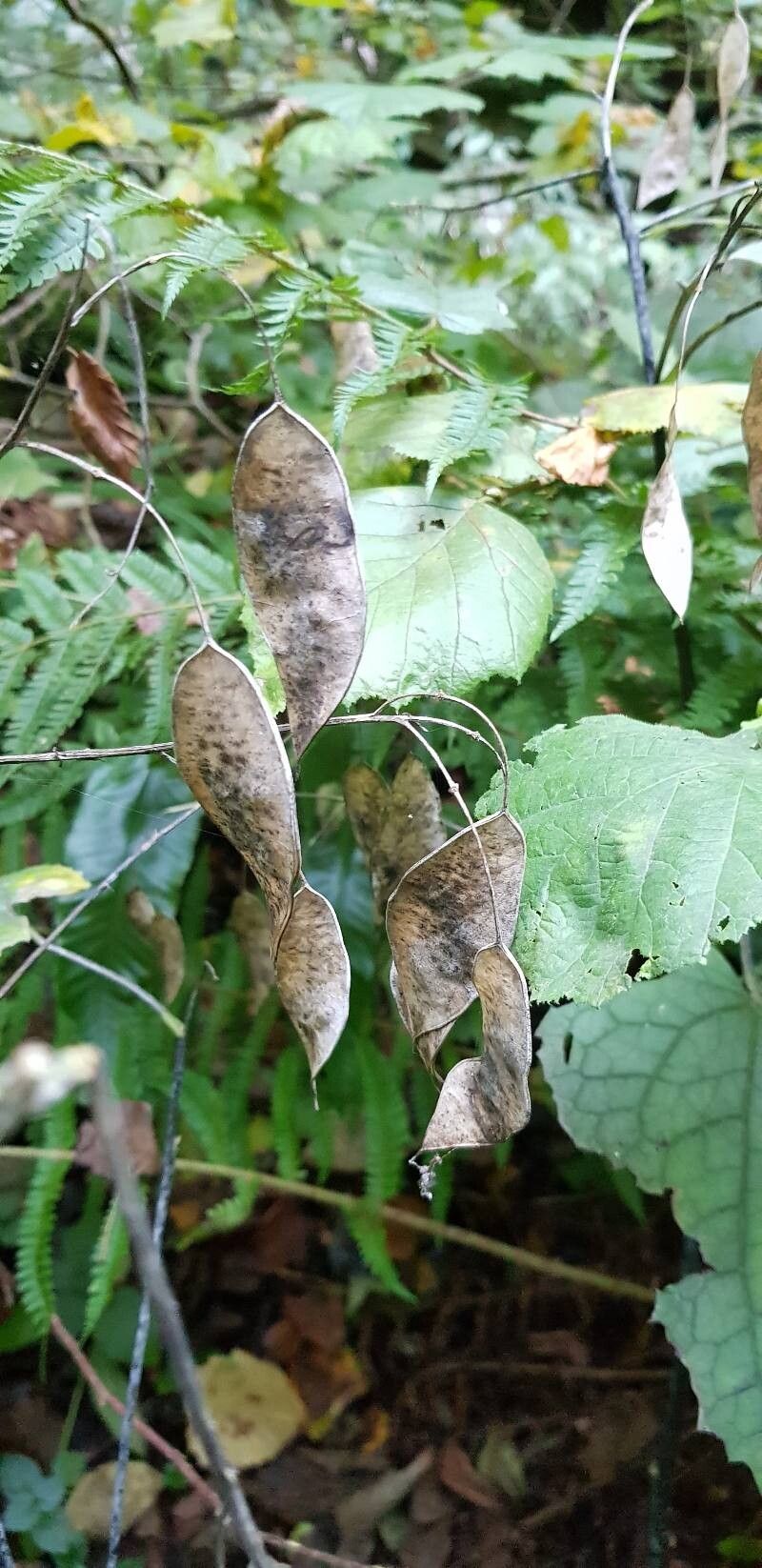
Oh, hello there! Come on in, grab yourself a mug of something warm. I’ve been looking forward to chatting about Lunaria rediviva with you. Isn’t it just a darling plant? Those delicate, paper-thin seed pods glistening like jewels in the winter light – they’re simply magical. And the best part? Bringing more of that magic into your garden is totally achievable.
For those of you just dipping your toes into the gardening world, I’ve got good news: Lunaria rediviva is a wonderfully forgiving plant to propagate. You don’t need to be a seasoned pro to coax new life from it. This little beauty is quite happy to share its secrets, and that’s what makes it such a joy to multiply.
The Best Time to Start
When it comes to getting the most bang for your buck with Lunaria rediviva propagation, I find the sweet spot is late spring or early summer. This is when the plant is actively growing and has plenty of energy reserves to put into developing new roots. Waiting until after it has finished flowering and started setting seed is also a good bet, as the stems are maturing then.
Supplies You’ll Need
Gathering your tools beforehand makes the whole process so much smoother. Here’s what I usually have on hand:
- Sharp pruning shears or a clean knife: For making those all-important clean cuts.
- Rooting hormone (optional but helpful): A little boost can really encourage root development.
- Well-draining potting mix: I like a blend of peat moss, perlite, and a bit of compost.
- Small pots or seed trays: Whatever you have that’s clean and has drainage holes.
- Plastic bags or a clear propagator lid: To create a humid environment.
- Watering can with a fine rose: For gentle watering.
- Labels: So you don’t forget what you’ve planted where!
Propagation Methods
Lunaria rediviva is quite flexible, but my go-to methods are stem cuttings and seed sowing.
1. Stem Cuttings: This is my favorite for getting a clone of a plant I particularly love.
- Take Your Cuttings: In late spring or early summer, look for healthy, non-flowering stems. Using your sharp shears, cut pieces that are about 4-6 inches long. Make sure each cutting has at least two sets of leaves. Cut just below a leaf node (the little bump where a leaf grows from).
- Prepare the Cuttings: Gently remove the lower leaves from the cutting, leaving just the top couple of leaves. This prevents them from rotting when they’re in the soil. If you’re using rooting hormone, dip the cut end into it now.
- Plant Your Cuttings: Fill your pots with your well-draining potting mix. Make a small hole with your finger or a pencil and insert the cut end of the stem into the soil. Gently firm the soil around it.
- Water and Cover: Water lightly. Then, cover the pot with a plastic bag, propped up so it doesn’t touch the leaves, or place it inside a clear propagator. This helps maintain humidity, which is crucial for cutting success.
2. Seed Sowing (for the truly patient gardener!):
- Harvest Seeds: Once the seed pods have dried and turned papery, you can collect them. Gently break open the pods to release the small, dark seeds.
- Sow Indoors: It’s best to sow seeds in autumn or early spring. Fill trays with your potting mix and sow the seeds about ¼ inch deep.
- Keep Moist: Water gently and keep them consistently moist. A good trick is to place the seed tray in a larger tray filled with water and let the soil soak it up from the bottom.
- Provide Light: Place your trays in a bright spot, but out of direct scorching sun. Germination can be a bit slow and erratic – that’s part of the Lunaria charm!
The “Secret Sauce” (Pro Tips)
Here are a few little things I’ve learned over the years that make a big difference:
- Don’t Overcrowd Your Cuttings: Give each cutting a little breathing room in its pot. If they’re too crowded, they compete for resources and are more prone to fungal issues.
- Bottom Heat is Your Friend: For stem cuttings, a bit of warmth from below really speeds things up. A heat mat designed for propagation can work wonders. It encourages the roots to form from the bottom up.
- The “Scratch Test”: If you’re worried about your cutting rooting, you can gently scratch a tiny bit of the outer layer of bark near the base with your fingernail. If it’s still green underneath, there’s still life! If it’s brown and dry, it’s likely not going to make it.
Aftercare & Troubleshooting
Once you see new growth emerging from your cuttings or seedlings – hooray!
- Acclimatize: If you’ve used a propagator or plastic bag, gradually introduce your new plants to the open air over a week or so. Start by opening the bag for a few hours a day.
- Watering: Keep the soil consistently moist but not waterlogged. Overwatering is the quickest way to invite root rot, which is often what we see when things go wrong. The soil should feel like a wrung-out sponge.
- Transplanting: Once your young plants have developed a good root system and are showing sturdy growth, you can transplant them into larger pots or their final garden positions.
- Signs of Trouble: If your cuttings start to look yellow and limp, or if the base turns mushy, it’s usually a sign of root rot. This often happens due to too much moisture and not enough airflow. Sadly, once this sets in, it’s difficult to save them. Don’t be discouraged; just try again with a fresh start.
A Little Encouragement
Growing plants from cuttings or seeds is a journey, not a race. There’s a real satisfaction in nurturing something from a small piece to a fully-fledged plant. Be patient with your Lunaria rediviva, offer it good care, and enjoy the process. Soon enough, you’ll have more of those beautiful moon-like seed pods to grace your garden. Happy growing!
Resource:
https://identify.plantnet.org/k-world-flora/species/Lunaria%20rediviva%20L./data