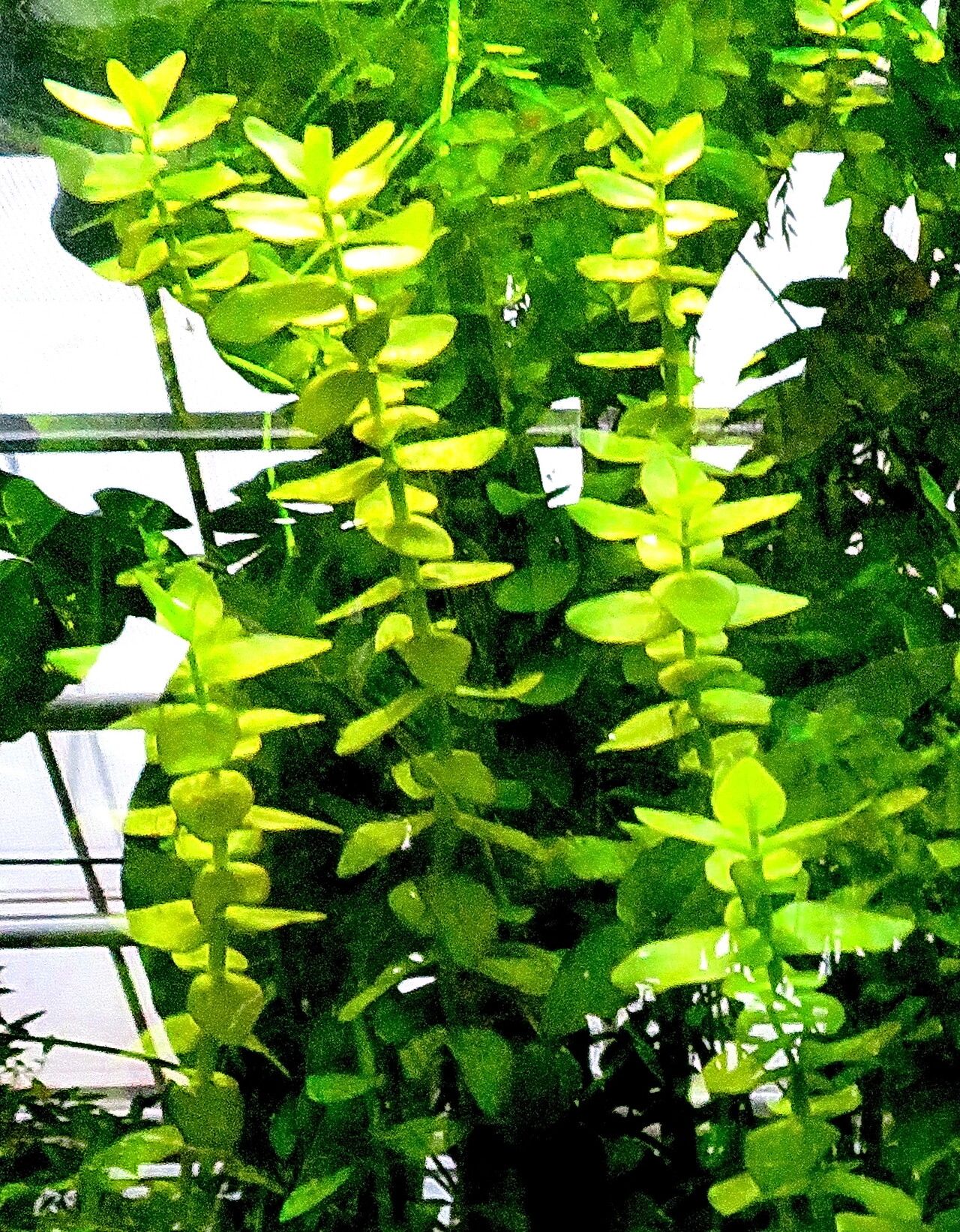
Oh, Ludwigia repens! If you’re looking for a splash of vibrant color in your aquarium or even a unique addition to a pond edge, this little plant is a fantastic choice. Its bright red-orange stems and leaves are absolutely dazzling, and the best part? It’s incredibly rewarding to bring more of these beauties into existence. For beginners, I’d say Ludwigia repens is a wonderfully forgiving plant to start with. Propagating it is straightforward, and seeing those tiny new roots emerge is just pure joy.
When is the Magic Hour?
Generally, the late spring and summer months are your sweet spot for propagating Ludwigia repens. This is when the plant is in its active growth phase, meaning it has plenty of energy to dedicate to producing new roots and leaves. You can often propagate it throughout the warmer growing season, but aiming for this peak period will give you the best success rates. Look for healthy, vigorous stems on your existing plant.
Your Propagation Toolkit
Here’s what you’ll want to have on hand before you begin:
- Sharp Pruning Shears or Scissors: Clean cuts are essential for healthy new growth.
- Rooting Hormone (Optional but Recommended): A little boost never hurts, especially for encouraging faster root development. You can find powder or gel forms.
- A Clean Container: This will hold your cuttings. A glass jar, a small plastic tub, or even a dedicated propagation tray works perfectly.
- Substrate (for soil propagation): A light, well-draining mix. I often use a blend of peat moss and perlite, or a specialized aquatic plant substrate if it’s going back in your tank.
- Water: For water propagation, fresh, dechlorinated water is key.
Bringing New Ludwigia to Life: Simple Methods
Ludwigia repens is wonderfully versatile. Here are my go-to methods:
1. Stem Cuttings (The Most Popular Route!)
This is the easiest and most common way to propagate Ludwigia repens.
- Find a healthy stem on your mature plant.
- Using your sharp shears, make a clean cut just below a leaf node (the point where leaves emerge from the stem). You’re looking for cuttings that are at least 3-4 inches long.
- Gently remove the leaves from the bottom inch or so of the cutting. This prevents them from rotting in the water or soil.
- If using rooting hormone, dip the cut end into the powder or gel, tapping off any excess.
- Place the cuttings directly into your prepared substrate. Bury the bare stem end about an inch deep. Make sure the remaining leaves are above the substrate. Water the substrate thoroughly, but don’t saturate it.
- Alternatively, you can place the cuttings in a container of fresh, dechlorinated water. Ensure that at least one leaf node is submerged.
2. Water Propagation (Seeing Roots Develop!)
This method lets you watch the magic happen!
- Follow the same steps as for stem cuttings, but instead of planting in soil, place the prepared cuttings into a container filled with fresh, dechlorinated water.
- Crucially, make sure that the portion of the stem with leaf nodes is submerged, but that the leaves themselves are above the waterline.
- Place the container in a location with bright, indirect light.
- You should start to see tiny white roots forming from the leaf nodes within a week or two.
The “Secret Sauce”: My Insider Tips
After years of coaxing plants to grow, I’ve picked up a few tricks.
- Give them a little warmth: Ludwigia repens loves a bit of gentle warmth. If you’re propagating in cooler months or in a drafty spot, placing your cuttings on a heating mat designed for plants can significantly speed up root development. Just a mild warmth is all they need; you don’t want to cook them!
- Don’t overcrowd your cuttings: Give each stem a little breathing room, whether they’re in water or soil. This improves air circulation, which is vital for preventing fungal issues and encouraging healthy root growth. Too many cuttings crammed together can lead to rot.
Baby Steps to Success: Aftercare and What to Watch For
Once your little Ludwigia cuttings have developed a good root system – you’ll see them emerging from the stem in water, or they’ll feel anchored in the soil – it’s time to treat them as young plants.
- For water-propagated cuttings, you can now gradually transplant them into your aquarium substrate or a damp, well-draining soil mix.
- For soil-propagated cuttings, continue to keep the substrate consistently moist but not waterlogged.
- Continue to provide bright, indirect light.
- Keep an eye out for any signs of trouble. The most common issue is rot. If your cuttings turn mushy or black, they’re likely rotting. This is usually a sign of too much moisture, poor air circulation, or insufficient light. If you see this happening, remove the affected cutting immediately to prevent it from spreading to others. Less commonly, you might see wilting. This could indicate they’re too dry, so give them a drink.
Happy Growing!
Don’t be discouraged if every single cutting doesn’t make it. Nature has its own rhythm, and sometimes things just don’t take. The most important thing is to enjoy the process of nurturing these new plants. Be patient, observe them closely, and celebrate each tiny new leaf and emerging root. Soon, you’ll have a lush, vibrant display of Ludwigia repens that you grew yourself!
Resource:
https://identify.plantnet.org/k-world-flora/species/Ludwigia%20repens%20J.R.Forst./data