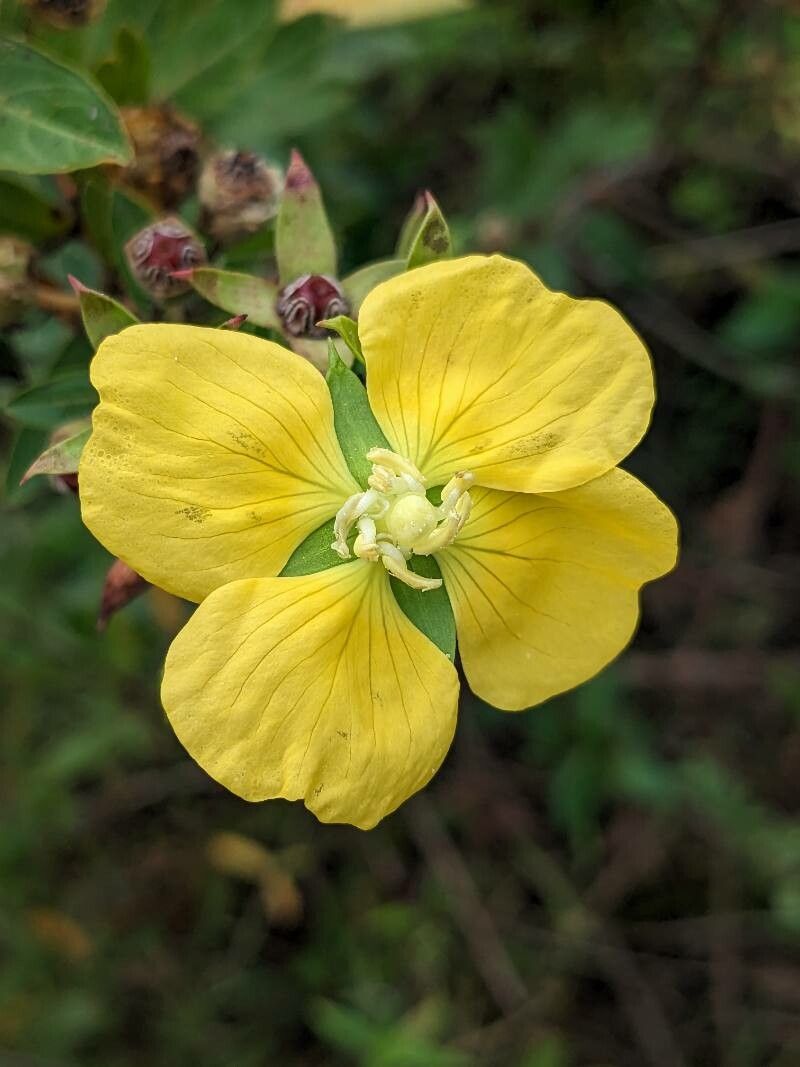
Hello there, fellow plant lovers! Today, we’re diving into the wonderful world of Ludwigia nervosa. If you’ve ever admired its vibrant foliage, perhaps a splash of crimson or deep green, and wished you had more of it, you’re in the right place. Propagating this beauty is incredibly rewarding. It allows you to expand your collection or share your passion with friends. For beginners, I’d say Ludwigia nervosa is moderately easy. It’s not quite as foolproof as some, but with a little attention, you’ll be well on your way.
The Best Time to Start
When it comes to Ludwigia nervosa, spring and early summer are your absolute best friends. This is when the plant is in its most vigorous growth phase. New shoots are abundant, and these are the ones most likely to root successfully. Avoid propagating during the peak of summer heat or the cold of winter. Less active growth means a lower chance of success.
Supplies You’ll Need
Gathering your supplies beforehand makes the whole process so much smoother. Here’s what I usually have on hand:
- Sharp pruning shears or a clean knife: For making clean cuts.
- Rooting hormone (optional but recommended): Helps give those cuttings a boost.
- Small pots or trays: Clean ones are key to preventing disease.
- A good potting mix: I like a blend of peat moss, perlite, and a bit of vermiculite. This ensures good drainage and aeration. For aquatic settings, simply use a nutrient-rich substrate.
- Plastic bags or a propagator lid: To create a humid environment.
- Water: Depending on your chosen method, clean, dechlorinated water is important.
Propagation Methods
Ludwigia nervosa is quite versatile, and a couple of methods work wonderfully.
Stem Cuttings
This is probably my favorite and the most reliable way to go.
-
Find a healthy stem: Look for a vibrant, actively growing stem on your mature Ludwigia.
-
Make the cut: Using your sharp shears or knife, carefully snip off a section of the stem. Aim for cuttings that are 4-6 inches long, with at least a few sets of leaves. Make your cut just below a leaf node – that’s the point where a leaf joins the stem.
-
Prepare the cutting: Gently remove the lower leaves from the bottom inch or so of the stem. This prevents them from rotting in the soil or water. If you’re using rooting hormone, dip the cut end into it now, tapping off any excess.
-
Planting:
- In Soil: Moisten your potting mix in your small pots. Make a small hole with your finger or a pencil and insert the prepared cutting about an inch deep. Gently firm the soil around it.
- In Water: Fill a small glass or jar with water. Place the prepared cutting in the water, ensuring no leaves are submerged.
-
Create humidity (for soil cuttings): Cover the pot loosely with a plastic bag or a propagator lid. This traps moisture and keeps the leaves from drying out.
Water Propagation
This method is visually satisfying as you can watch the roots grow.
- Select and cut: Similar to stem cuttings, choose a healthy stem and cut it to 4-6 inches, removing the lower leaves.
- Place in water: Put the cutting in a clean jar or glass filled with fresh, dechlorinated water.
- Location: Find a bright spot, but out of direct, scorching sunlight.
The “Secret Sauce” (Pro Tips)
You asked for insider tips, and I’m happy to share what I’ve learned over the years!
- Don’t let those lower leaves touch the water! This is so crucial for water propagation. Submerged leaves are a one-way ticket to rot and will do nothing but sap energy from your potential new plant.
- Bottom heat is your friend. If you’re struggling with cuttings in soil, especially if it’s not perfectly warm in your space, a seedling heat mat can dramatically speed up root development and improve success rates. It provides gentle warmth from below.
- Think about airflow. While you want humidity for your cuttings, stagnant air can encourage fungal issues. If you’re using a propagator lid, open it for a few minutes each day to encourage some air exchange. For bagged cuttings, loosely tie the bag so it’s not completely sealed.
Aftercare & Troubleshooting
This is where patience really pays off!
Once your cuttings have developed a good root system – you’ll see roots emerging from the cut end – it’s time for them to transition.
- For water-propagated plants: Gently pot them up into your prepared potting mix. Continue to keep the soil consistently moist for the first week or so.
- For soil-propagated plants: Gradually introduce them to less humid conditions. You can start by removing the plastic bag or propagator lid for a few hours each day, then increase the duration. Water them when the top inch of soil feels dry.
- Light: Once rooted, they can handle brighter light, but still avoid intense, direct sun until they are well-established.
Now, what if things go wrong? The most common issue is rot. If you see your cutting turning mushy and black, or if it’s wilting despite being in moist soil or water, it’s likely rot. This is usually caused by too much moisture without enough air circulation, or sometimes by using dirty tools or pots. If you spot rot, remove the affected cutting immediately to prevent it from spreading. Clean your tools and try again, paying close attention to drainage and airflow.
A Little Encouragement
Propagating plants is a wonderful way to connect with nature and to grow your green thumb. Don’t be discouraged if your first attempt isn’t perfect. Each plant, and each cutting, is a learning experience. Be patient, observe your cuttings, and enjoy the magical process of watching new life emerge. Happy propagating!
Resource:
https://identify.plantnet.org/k-world-flora/species/Ludwigia%20nervosa%20(Poir.)%20H.Hara/data