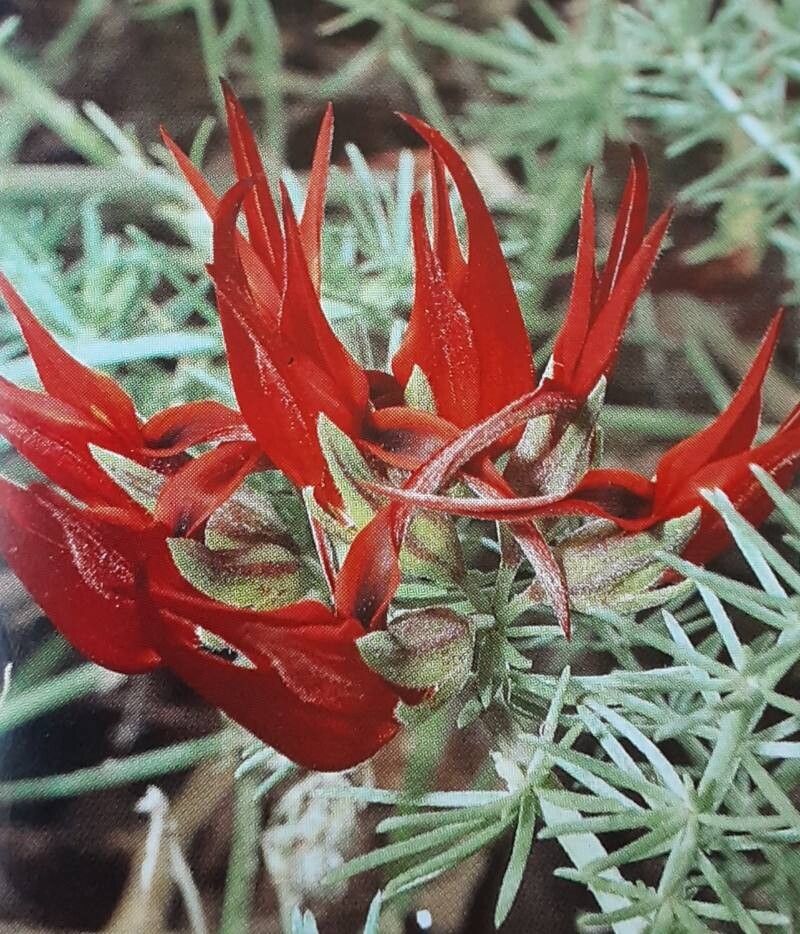
Hey there, fellow garden enthusiasts! I’m so happy you’ve decided to dive into the world of propagating Lotus berthelotii. This plant, with its striking silver foliage and vibrant coral-red blooms, is an absolute stunner. It brings such a unique texture and splash of color to any garden or container. Plus, multiplying your own plants is incredibly rewarding. It connects you deeper to your green friends and means you’ll have plenty to share (or keep all to yourself – I won’t judge!). Now, Lotus berthelotii can be a little finicky, so while it’s not the absolute easiest for a complete beginner, with a little care and attention, you can absolutely achieve success. Think of it as a rewarding challenge!
The Best Time to Start
For the highest chance of success, I always recommend propagating your Lotus berthelotii in late spring or early summer. This is when the plant is actively growing and has plenty of energy to put into developing new roots. Aim to take cuttings when the stems are plump and healthy, not woody or old.
Supplies You’ll Need
Gathering your tools beforehand makes the whole process smoother. Here’s what I typically have on hand:
- Sharp pruning shears or a clean knife: For making clean cuts.
- Rooting hormone powder (optional but recommended): Helps speed up root development.
- Well-draining potting mix: A mix of perlite, peat moss, and coarse sand works beautifully. Some commercial cactus and succulent mixes are also good options.
- Small pots or containers: About 4-6 inches in diameter with drainage holes.
- Plastic bags or a propagation dome: To create a humid environment.
- Spray bottle: For misting.
- Saucers or trays: To catch excess water.
- Labels: To keep track of your cuttings!
Propagation Methods: Let’s Get Rooting!
There are a couple of trusty ways to get new Lotus berthelotii plants going. I’ve had the most luck with stem cuttings, but I’ll touch on division too.
Stem Cuttings: My Go-To Method
This is my favorite way to make more of this lovely plant.
- Select your cuttings: Look for healthy, non-flowering stems that are at least 4-6 inches long. Gently snap or cut a stem just below a leaf node (that little bump where leaves emerge).
- Prepare the cutting: Remove the lower leaves from the cutting, leaving just a few leaves at the top. This prevents them from rotting in the soil. If your cutting is very long, you can trim it down.
- Apply rooting hormone (optional): Lightly dip the cut end of the stem into your rooting hormone powder. Tap off any excess.
- Plant the cutting: Fill your small pots with your well-draining mix. Make a small hole in the center with your finger or a pencil. Insert the cut end of the Lotus berthelotii stem into the hole, gently firming the soil around it.
- Create a mini-greenhouse: Water the soil lightly until it’s just moist. Cover the pot with a plastic bag, creating a tent, or place it inside a propagation dome. This helps maintain humidity, which is crucial for cuttings.
- Find a good spot: Place the pot in a bright location but out of direct, harsh sunlight. Warmer temperatures are appreciated.
Division: For Established Plants
If you have a larger, established clump of Lotus berthelotii, you can carefully divide it.
- Remove the plant from its pot: Gently unpot the entire plant.
- Inspect the root ball: You’ll see multiple stems growing from a central base with roots.
- Gently separate: Carefully tease apart the root ball into smaller sections, each with at least a few healthy stems and some roots. You might need to use a clean knife to cut through any particularly dense root masses.
- Pot up the divisions: Plant each division in its own pot with fresh, well-draining soil, watered as you would a regular transplant.
The “Secret Sauce” (Pro Tips!)
Here are a few tricks I’ve learned over the years that can really boost your success rate with Lotus berthelotii:
- Bottom Heat is Your Friend: If you have a seedling heat mat, place your pots on top of it. Lotus berthelotii absolutely loves warmth, and bottom heat encourages roots to form much more readily. It’s like giving them a cozy spa treatment!
- Don’t Drown Them! While humidity is key, overwatering is the fastest way to kill a cutting. The soil should feel like a wrung-out sponge – moist, but not soggy. If you see condensation building up heavily inside your plastic bag, remove it for a few hours to let things air out a bit.
- Patience, Especially with Foliage: The silver foliage is gorgeous, but sometimes the stems can look a little sad or wilted before they root. Resist the urge to overwater or constantly fuss. Trust the process. If the leaves are still green, there’s a good chance roots are forming underground.
Aftercare & Troubleshooting
Once your Lotus berthelotii cuttings have developed roots (you can gently tug on a stem – if there’s resistance, you’ve got roots!), it’s time to adjust their care.
- Gradually Acclimate: Slowly remove the plastic bag or dome over a week or so, allowing the new plant to get used to normal humidity levels.
- Water Wisely: Water when the top inch of soil feels dry. Remember, they prefer to dry out a bit between waterings.
- Pot Up: Once the new plant is well-established in its small pot, you can transplant it into a slightly larger container or its permanent garden spot.
- Signs of Failure: The most common issue is rot, which usually happens due to overwatering or poor drainage. If you see mushy stems or the cutting turns brown and brittle, it’s likely a goner. If your cutting just wilts and stays that way, it might be because it hasn’t rooted or the environment is too dry.
A Little Bit of Patience Goes a Long Way
Propagating plants, especially those with a bit of personality like Lotus berthelotii, is a wonderful journey. It teaches you observation and patience. Sometimes they root quickly, other times they take their sweet time. Don’t get discouraged if your first few attempts aren’t perfect. Every cutting teaches you something new. Enjoy the process of nurturing these little beauties and soon you’ll have a whole collection to admire! Happy gardening!
Resource:
https://identify.plantnet.org/k-world-flora/species/Lotus%20berthelotii%20Masf./data