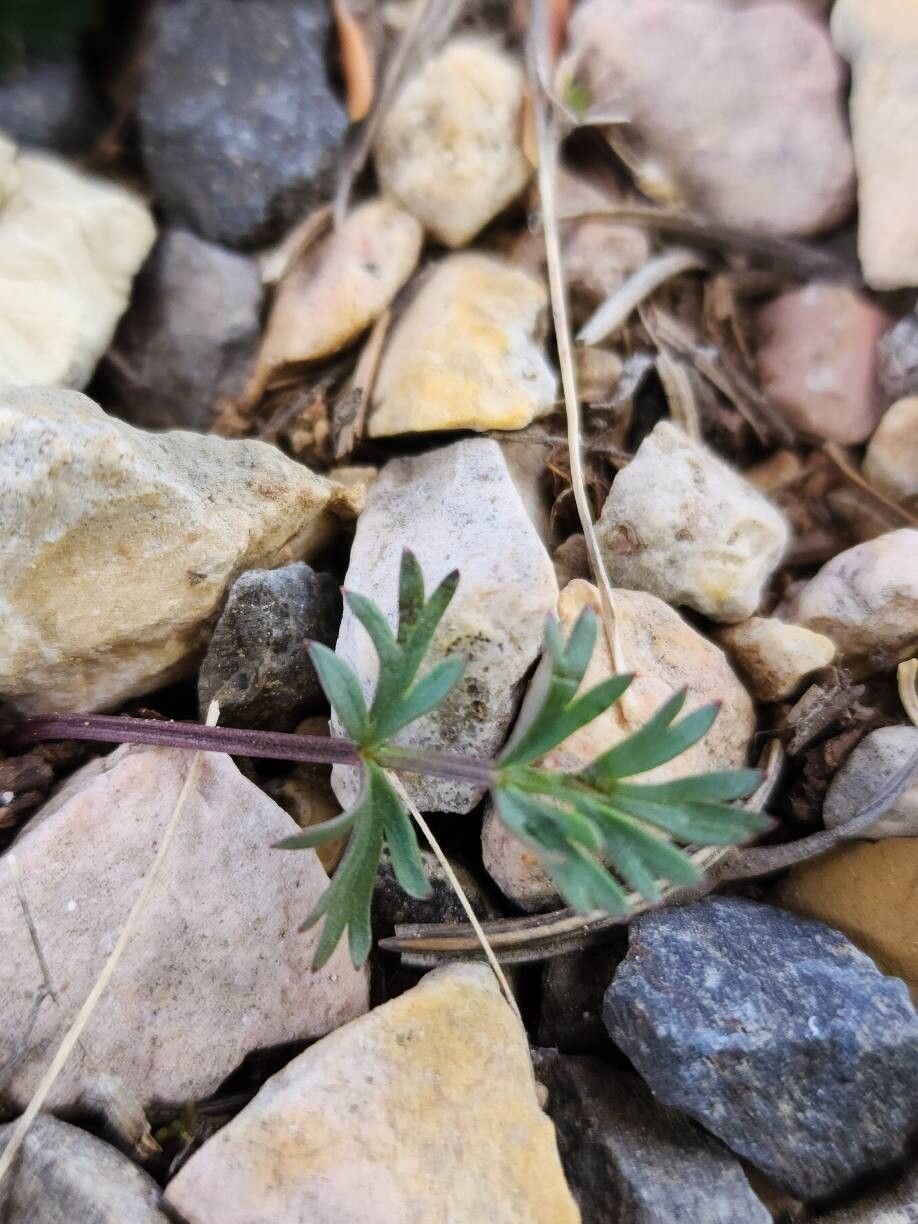
Hello there, fellow plant lovers! I’m so excited to chat with you today about a truly special native plant: Lomatium cous, often called Indian or Biscuit Root. This beauty is a stunner in the garden with its fern-like foliage and delicate white or pinkish flowers come spring. And the reward of growing it from scratch? Priceless! Now, I won’t lie, Lomatium cous can be a little fussy, so it’s not exactly a beginner’s “plop it in the ground and forget it” kind of plant. But with a bit of care and understanding, you absolutely can succeed.
The Best Time to Start
For Lomatium cous, timing is everything. The absolute sweet spot for starting new plants is in late summer or early fall. This is when the plant is going dormant, and the chances of success with propagation are highest. Planting seeds or dividing roots now gives them time to establish before the heat of summer or the harshness of winter.
Supplies You’ll Need
Before we dive in, let’s gather our little helpers:
- Sharp Pruning Shears or a Clean Knife: For making clean cuts.
- Rooting Hormone (Optional but Recommended): Especially for stem cuttings.
- Well-Draining Potting Mix: A good blend for natives works best – think 1 part compost, 1 part coarse sand, and 1 part perlite. Lomatium hates wet feet!
- Pots or Trays: With drainage holes, of course!
- Watering Can or Mister: For gentle hydration.
- Labels: So you remember what you planted where!
- Mulch: A light layer of compost or gravel for covering seeds.
Propagation Methods
Lomatium cous can be propagated through a couple of methods, and I’ll walk you through them.
1. From Seed:
- Gather Seeds: If you’re lucky enough to have a mature plant, you can collect seeds once the seed pods have dried.
- Stratification is Key: Lomatium seeds need a cold, moist period to germinate. This process is called stratification. Mix your seeds with some slightly damp sphagnum moss or sand in a sealed bag and pop them in the refrigerator for about 2-3 months.
- Sowing: After stratification, sow the seeds in your well-draining mix in pots or trays. Lightly cover them with about ¼ inch of your soil mix or some fine gravel.
- Patience: Germination can be slow and erratic. Keep the soil consistently moist but not waterlogged. You might see sprouts in a few weeks, or it could take longer.
2. Division:
- Timing: This method is best done in early fall when the plant is dying back. This minimizes stress.
- Careful Excavation: Gently dig around the established plant. You want to loosen the root ball without causing too much damage.
- Separate Roots: Look for natural divisions in the root system. Using a clean trowel or your hands, carefully divide the root clump into sections, ensuring each piece has healthy roots and at least one growing point.
- Replant Immediately: Get these divisions replanted into their new spots or pots as quickly as possible. Water them in well.
The “Secret Sauce” (Pro Tips)
Here’s a little of what I’ve learned over the years:
- Don’t Overwater Seedlings: This is the kiss of death for Lomatium! It’s always better to err on the side of slightly dry than too wet, especially for young plants.
- Mimic Their Natural Habitat: Lomatium thrives in lean, gritty soils. Avoid rich, fertilized potting mixes. They’re used to a more spartan existence!
- Think About Drainage from Day One: If you’re growing in pots, make sure those drainage holes are generous. If planting in the ground, amend your soil heavily with grit if it’s heavy clay.
Aftercare & Troubleshooting
Once your Lomatium cous seedlings or divisions are showing signs of life (new shoots appearing!), it’s time for continued gentle care. Keep them consistently moist but never soggy. As they grow, gradually introduce them to more direct sunlight, but watch out for scorching on brand new, tender leaves.
The most common issue you’ll face is root rot if the drainage isn’t adequate. Signs of this include yellowing leaves that wilt despite watering, and a mushy stem base. If you see this, it’s tough, but it’s usually best to discard the affected plant to prevent it from spreading.
A Encouraging Closing
Propagating Lomatium cous might take a bit more attention than some other plants, but the satisfaction you’ll get from nurturing these special natives is absolutely worth it. Be patient with the process, celebrate every tiny sprout, and enjoy the journey. Happy planting!
Resource: