Hey there, fellow plant enthusiasts!
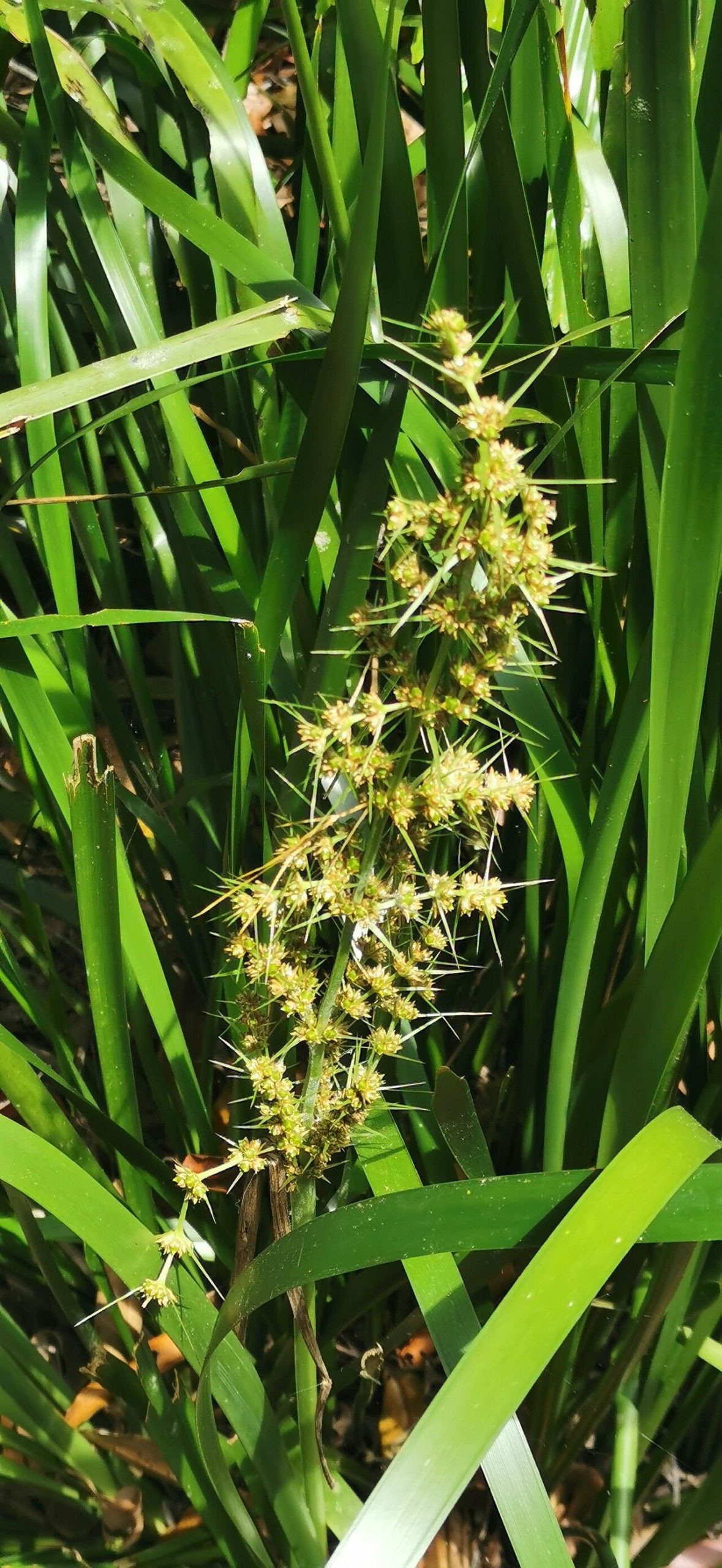
If you’ve ever admired those gracefully arching, strappy leaves of Lomandra hystrix, with its tidy clumps and elegant presence, then you’re in for a treat. This Australian native, often called Mat Rush, is a real workhorse in the garden. It’s tough, drought-tolerant once established, and brings a wonderful textural element that plays beautifully with other plants. And the best part? It’s surprisingly satisfying to propagate! For beginners, it’s not overly fussy, which is always a great starting point.
The Best Time to Start
For Lomandra hystrix, I find the absolute sweet spot for propagation is late spring through early summer. This is when the plant is really hitting its stride, actively growing after the cooler months. You’ll have plenty of energy in the plant to draw from, leading to a much higher success rate. Waiting until you see new shoots emerging is a good sign the plant is ready.
Supplies You’ll Need
To get started on your Lomandra propagation journey, gather up these essentials:
- Sharp, clean pruning shears or a spade: For dividing those robust clumps.
- A good quality potting mix: Something that drains well is key. I like a blend of perlite and peat moss or coir.
- Rooting hormone powder (optional but helpful): Especially if you’re trying stem cuttings, though less critical for division.
- A small pot or tray with drainage holes: For your new baby plants.
- A spray bottle: For misting.
- Labels and a marker: So you don’t forget what you planted where!
Propagation Methods
Lomandra hystrix is most commonly and successfully propagated through division. It’s the most straightforward method and yields great results.
Division:
- Prepare your parent plant: Water your Lomandra deeply a day or two before you plan to divide it. This helps the roots stay hydrated during the process.
- Gently excavate: Carefully dig around the base of the plant, loosening the soil. You want to lift the entire clump, if possible. If the plant is large, you might need a spade to help lever it out.
- Examine the root ball: Once out of the ground, gently shake off excess soil. You’ll see how the plant has grown in sections, with distinct crowns.
- Divide the clump: This is the crucial step. You can do this in a few ways. My preferred method is to gently tease the roots apart with my hands, working from the edges inward. For tougher clumps, you might need to use your clean pruning shears or even a spade to cut through the central root mass. Aim for sections that have at least one healthy growing point (a crown) and a good amount of roots attached.
- Inspect for rot: While you’re dividing, take a moment to look for any mushy, brown roots. Trim these away with your clean shears.
- Replant immediately: Pot up your divisions into pots filled with your well-draining potting mix. Ensure the crown of each division is at soil level. Water them in gently but thoroughly.
The “Secret Sauce” (Pro Tips)
Here are a couple of tricks I’ve learned over the years that really make a difference:
- Don’t overwater divisions immediately: While watering them in is essential, don’t keep them constantly soggy. They need to establish roots, and waterlogged soil is their nemesis once divided. Let the surface of the soil dry out a little between waterings.
- Provide a bit of shade: Once you’ve replanted your divisions, place them in a spot with bright, indirect light. Direct sun can stress them out while they’re trying to recover and establish new roots. A porch, under a larger shrub, or even under shade cloth works wonderfully.
Aftercare & Troubleshooting
Once your divided Lomandra is potted up, keep them in that bright, indirectly lit spot. Water them when the top inch of soil feels dry. You should start to see new, fresh green shoots appearing within a few weeks if all is well.
The most common issue you’ll encounter is rot, usually caused by overwatering or poor drainage. Signs of rot include mushy stems at the base, yellowing leaves that aren’t followed by new growth, and a general wilting that doesn’t improve with watering. If you suspect rot, act quickly. You may need to unpot the plant, trim away any affected roots or stems, and repot in fresh, dry, well-draining soil. If it’s severe, the division might be a lost cause, but don’t let it discourage you.
A Little Patience Goes A Long Way
Propagating Lomandra hystrix is a really rewarding way to expand your garden or share these wonderful plants with friends. Be patient, trust your instincts, and enjoy the process of nurturing these new life forms. Happy gardening!
Resource: