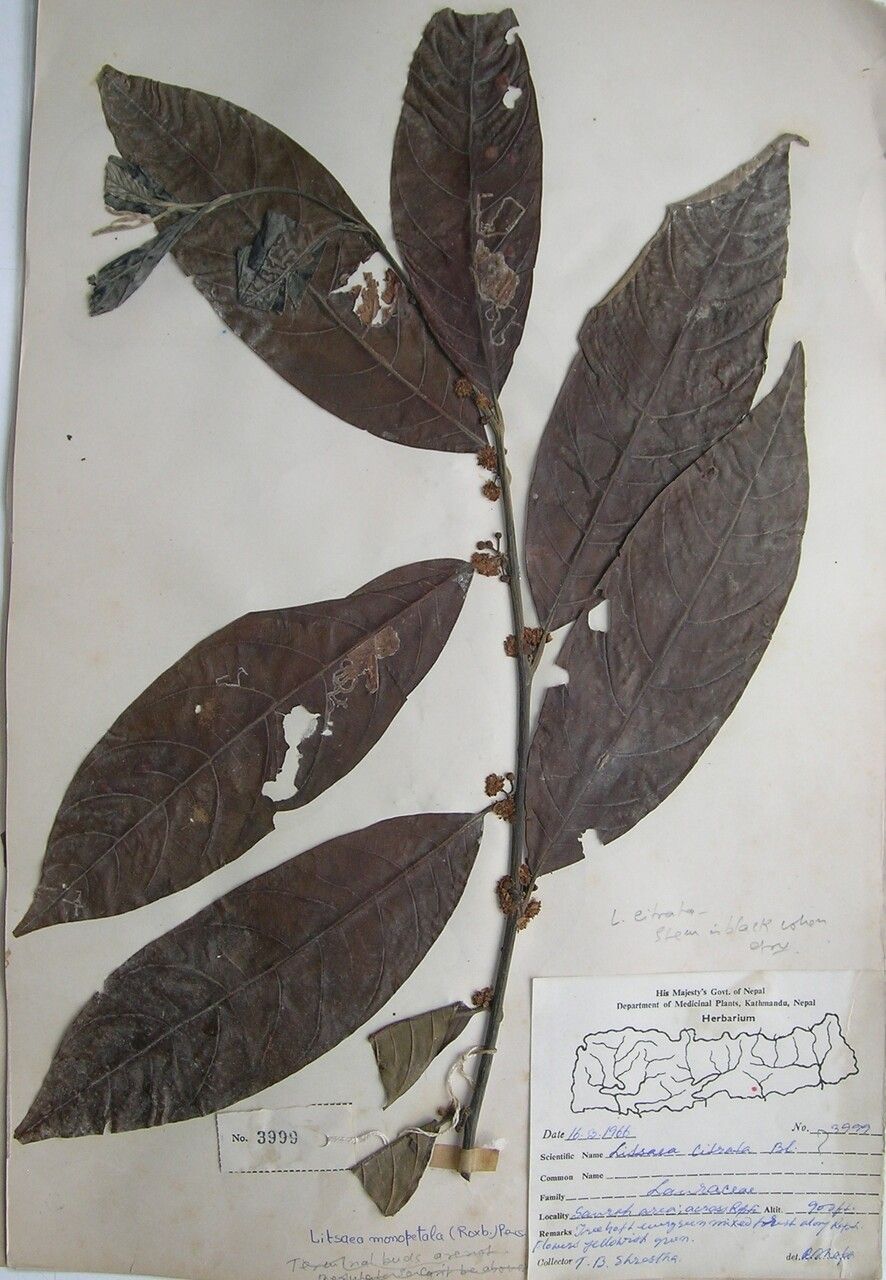
Oh, Litsea salicifolia! What a delightful plant to talk about. If you’re looking for a beautiful evergreen shrub with glossy, aromatic leaves, you’ve found a winner. The subtle fragrance when you brush past it is just lovely, and watching a new little plant sprout from your efforts is truly one of gardening’s greatest joys. Propagating Litsea salicifolia can be a bit of a nudge-and-a-half for absolute beginners, but with a little patience and these tips, you’ll be well on your way. It’s definitely achievable!
The Best Time to Start
The sweet spot for propagating Litsea salicifolia is definitely late spring to early summer. This is when the plant is actively growing and has plenty of energy to put into developing new roots. You want to use semi-hardwood cuttings, which are stems that are starting to firm up but are still somewhat flexible. Think of it as that perfect stage between brand-new, floppy growth and old, woody branches.
Supplies You’ll Need
Here’s what you’ll want to have ready:
- Sharp, clean pruning shears or a sharp knife: Essential for making clean cuts.
- Rooting hormone (optional but recommended): A powder or gel that encourages root development.
- A well-draining potting mix: I like a 50/50 blend of perlite and peat moss or coco coir. You can also use a commercial “seed starting” or “cutting” mix.
- Small pots or trays: Clean pots (about 4-6 inches deep) with drainage holes are perfect.
- Plastic bags or a propagator: To create a humid environment.
- Spray bottle: For misting.
- Labels and a marker: To keep track of what you’ve planted!
Propagation Methods: Stem Cuttings
This is by far the most straightforward way to get more Litsea salicifolia from your existing plants.
- Take Your Cuttings: In late spring or early summer, select healthy, non-flowering stems. Cut stems that are about 4-6 inches long. Make the cut just below a leaf node (where a leaf attaches to the stem).
- Prepare the Cuttings: Gently remove the lower leaves, leaving just a few at the top. If the leaves are very large, you can even cut them in half horizontally to reduce water loss.
- Apply Rooting Hormone (Optional): Dip the cut end of the stem into your rooting hormone, tapping off any excess.
- Plant Your Cuttings: Fill your clean pots with your well-draining potting mix. Make a hole in the center of the mix with a pencil or finger. Insert the prepared end of the cutting into the hole, making sure the leaf nodes are buried. Gently firm the soil around the base of the cutting.
- Water Gently: Water the soil thoroughly until it’s moist but not soggy.
The “Secret Sauce” (Pro Tips)
Here are a couple of things I’ve learned over the years that really make a difference:
- Bottom Heat is Your Friend: If you have the option, placing your pots on a heat mat can significantly speed up root formation. It mimics the warmth of the soil in summer and gives those roots a real boost.
- Don’t Let Those Upper Leaves Drip!: When you cover your cuttings with a plastic bag or put them in a propagator, make sure the leaves don’t touch the plastic. Condensation dripping on the leaves can lead to rot. You can use stakes to prop up the plastic if needed.
- Think About the Air: While humidity is crucial, you don’t want stagnant air. Periodically vent the propagator or open the plastic bag for a few minutes each day to allow for fresh air circulation. This helps prevent fungal issues.
Aftercare & Troubleshooting
Once your cuttings are planted, place them in a bright spot with indirect light. Avoid direct sun, which can scorch young cuttings. Keep the soil consistently moist but not waterlogged. Mist the leaves occasionally, especially if you’re not using a propagator.
You’ll know your cuttings have rooted when you see new leaf growth. This can take anywhere from a few weeks to a couple of months. Gently tugging on a cutting – if there’s resistance, you’ve got roots!
The most common problem you might encounter is rot. If a cutting turns black and mushy, it’s usually a sign of too much moisture and not enough air circulation, or it simply didn’t take. It’s disheartening, but don’t let it discourage you. Just clean up the pot and try again!
A Encouraging Closing
Watching a new plant emerge is such a rewarding experience. Be patient with your Litsea salicifolia cuttings. Some might take longer than others, and a few might not make it—that’s just part of the gardening dance. Embrace the process, enjoy the learning, and before you know it, you’ll have a whole collection of these lovely plants to share! Happy propagating!
Resource: