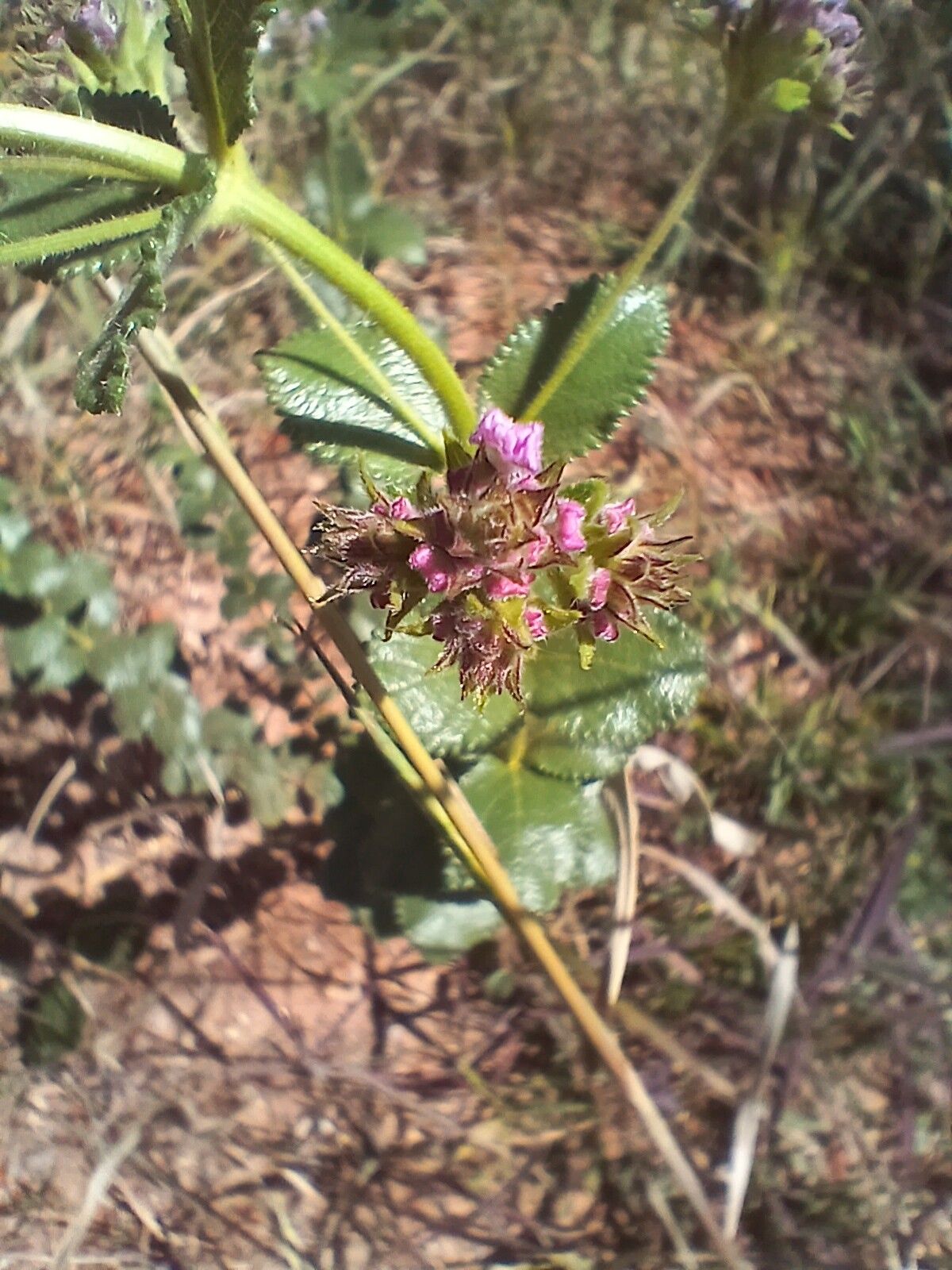
Hello, fellow garden enthusiasts! Today, I want to chat about a plant that has truly captured my heart: Lippia lacunosa. If you’re looking for a plant that’s as beautiful as it is fragrant, with a sprawling, groundcover habit that just begs to be multiplied, then Lippia lacunosa is for you. Its sweet, often lemon-scented foliage and charming little flowers are a delight, and the best part? Propagating it is surprisingly straightforward, making it a fantastic plant for beginners looking to dip their toes into the wonderful world of plant propagation. Sharing these beauties with friends or filling your own garden is incredibly rewarding.
The Best Time to Start
For Lippia lacunosa, the late spring through early summer is your golden ticket. This is when the plant is in its most vigorous growth phase, meaning it’s bursting with energy to put out new shoots that will readily root. Aim to take cuttings when the stems are young and flexible, not woody and old. You want that lively, green growth that hasn’t quite hardened off yet.
Supplies You’ll Need
Gathering your supplies beforehand makes the whole process a breeze. Here’s what I keep on hand:
- Sharp Pruning Shears or a Craft Knife: Clean cuts are crucial for healthy rooting.
- Rooting Hormone (Optional but Recommended): A little boost can significantly increase your success rate. I like a powder form.
- Small Pots or Seedling Trays: Anything that can hold your cuttings snugly.
- Well-Draining Potting Mix: A good quality seed-starting mix or a blend of potting soil and perlite works perfectly.
- Plastic Bags or a Propagation Dome: To create a humid environment.
- Watering Can with a Fine Rose or a Spray Bottle: For gentle watering.
- Labels and a Pen: Trust me, you’ll thank yourself later!
Propagation Methods
Let’s get our hands dirty! Lippia lacunosa is wonderfully adaptable, and I’ve had great luck with a couple of methods.
Stem Cuttings
This is my go-to method for Lippia lacunosa. It’s efficient and yields a good number of new plants.
- Select Your Cuttings: Find healthy, non-flowering stems that are about 4-6 inches long. Look for stems that are green and bendy, not stiff.
- Make the Cut: Using your sterilized pruning shears or craft knife, make a clean cut just below a leaf node (that little bump where a leaf attaches to the stem). This is where the magic happens!
- Prepare the Cutting: Gently remove the leaves from the bottom half of the cutting. You want to leave just a couple of sets of leaves at the top. If your cutting is very long, you can even cut the remaining leaves in half to reduce water loss.
- Dip in Rooting Hormone (Optional): If you’re using rooting hormone, moisten the cut end of the stem slightly, then dip it into the powder. Tap off any excess.
- Plant Your Cuttings: Fill your pots with your prepared potting mix and moisten it well. Make a small hole in the center of the soil with your finger or a pencil. Insert the cut end of the Lippia lacunosa stem into the hole, ensuring the lower leaf nodes are buried. Gently firm the soil around the stem.
- Create a Humid Environment: Water everything gently. Then, either cover the pot with a clear plastic bag (making sure the bag doesn’t touch the leaves) or place it under a propagation dome. This humidity is key for rooting.
Water Propagation
This method is super satisfying to watch!
- Take Your Cuttings: Follow steps 1-3 from the stem cuttings method.
- Place in Water: Fill a clear glass or jar with room-temperature water. Submerge the bottom few inches of the cuttings, ensuring that the leaves do not touch the water. This prevents rot.
- Location, Location, Location: Place the jar in a bright spot that gets indirect sunlight.
- Change the Water: Change the water every 2-3 days to keep it fresh and prevent bacterial growth. You’ll start seeing little white nubs—root primordia—emerging from the leaf nodes within a few weeks.
The “Secret Sauce” (Pro Tips)
Here are a few things I’ve learned over the years that can really give your propagations a boost:
- Bottom Heat is Your Friend: If you have a heat mat designed for seedlings, placing your pots on top of it can significantly speed up root development. It mimics the warmth of summer soil.
- Don’t Be Afraid to Experiment with Timing: While spring is ideal, I’ve had success with well-established stems taken in early autumn, especially if I can provide them with a protected spot or a bit of greenhouse warmth.
- Cleanliness is Above All Else: Always make sure your tools are clean. Diseased cuttings or tools can spell disaster for your entire batch. A quick wipe with rubbing alcohol between cuts is a good habit.
Aftercare & Troubleshooting
Once you see good root development (you can gently tug on the cutting; it will offer resistance, or peek into the drainage holes of the pot), it’s time for them to be treated as tiny, independent plants.
- Gradual Acclimation: If you used a plastic bag or dome, gradually start removing it for longer periods over a few days to let your new plants adjust to lower humidity.
- Transplanting: Once they have a decent root system, you can transplant them into their own small pots filled with your regular potting mix. Water them gently.
- Troubleshooting – The Rot of Despair: The most common problem is rot. This usually happens due to too much moisture and not enough aeration. If you see a cutting turning brown and mushy at the base, it’s likely rotted. Unfortunately, there’s not much to be done once this happens. Ensure your soil is well-draining, don’t overwater, and make sure your cuttings have good air circulation after removing any plastic covering. Yellowing leaves can sometimes indicate too much water or not enough light; a slight droop might mean it’s drying out. Observe and adjust!
A Little Patience Goes a Long Way
Propagating any plant is a journey, and Lippia lacunosa is a joy to bring into existence from a tiny cutting. Be patient with your new babies. Keep them in bright, indirect light, and water them when the top inch of soil feels dry. You’ll soon have a small army of these delightful plants ready to share or to transform your garden beds. Happy propagating!
Resource:
https://identify.plantnet.org/k-world-flora/species/Lippia%20lacunosa%20Mart.%20&%20Schauer/data