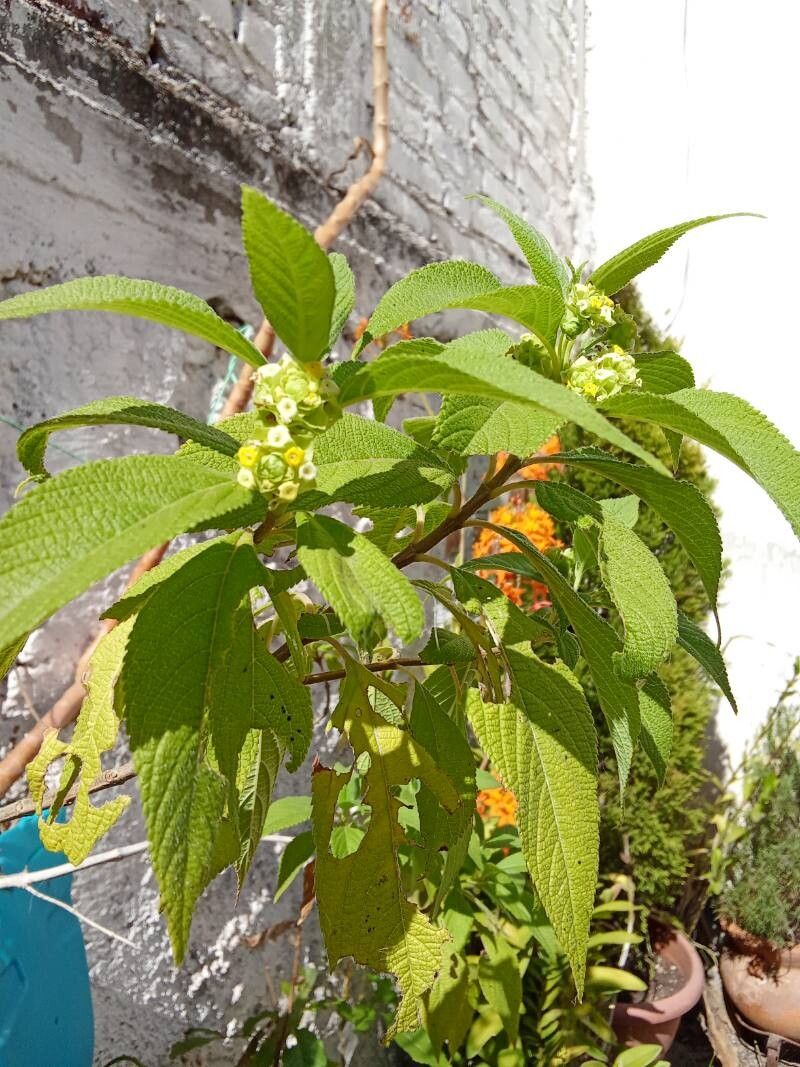
Hello there, fellow garden enthusiasts! It’s so lovely to connect with you today. I want to chat about a plant that has really captured my heart over the years: Lippia javanica. You might know it as Lemon Bush, or sometimes even Wild Verbena, and it’s just delightful. Its fragrant, lemon-scented leaves are a true joy, perfect for teas, potpourri, or just breathing in on a warm evening. Plus, its delicate white flowers attract so many lovely pollinators. Growing more of this beauty yourself is incredibly rewarding, and honestly, if you’ve ever dabbled in growing a houseplant, you’ll find propagating Lippia javanica quite manageable. It’s a forgiving plant, which always makes me happy for beginners!
The Best Time to Start
When it comes to getting the most success with your Lippia javanica propagation, spring is absolutely your best friend. This is when the plant is just bursting with new growth, full of vigor and ready to put that energy into making some roots. You can also have good luck in early summer, as long as you keep your cuttings well-watered and out of harsh, direct sun. Avoid trying to propagate from old, woody stems; we’re looking for nice, pliable new growth.
Supplies You’ll Need
Gathering your supplies beforehand makes the whole process so much smoother. Here’s what I usually have on hand:
- Sharp Pruning Shears or a Craft Knife: For clean cuts.
- Rooting Hormone (Optional, but helpful): I like one with a fungicide to prevent rot, but plain rooting powder works too.
- A Well-Draining Potting Mix: I use a 50/50 blend of good quality potting soil and perlite or coarse sand. For stem cuttings, a lighter mix is key.
- Small Pots or Seed Starting Trays: Clean ones, please!
- Watering Can with a Fine Rose Attachment: For gentle watering.
- Clear Plastic Bags or a Propagator Lid: To create a humid environment.
- A Marker and Labels: Essential for keeping track of what’s what!
Propagation Methods
Let’s get our hands dirty! There are a couple of ways to multiply your Lippia javanica, and stem cuttings are my go-to.
Stem Cuttings (My Favorite!)
This is where the magic truly happens.
- Take Your Cuttings: In spring or early summer, select healthy, non-flowering stems that are about 4-6 inches long. Using your sharp shears or knife, make a clean cut just below a leaf node (where the leaf meets the stem).
- Prepare the Cuttings: Gently remove the leaves from the bottom two-thirds of the stem. You want to expose those nodes, as this is where roots will emerge. Leave just a couple of leaves at the very top to help the cutting photosynthesize. If your leaves are quite large, you can even snip them in half to reduce water loss.
- Apply Rooting Hormone (Optional): Dip the cut end of the stem into your rooting hormone powder or gel. Tap off any excess.
- Plant Your Cuttings: Fill your clean pots or trays with your prepared, moistened potting mix. Make a small hole with a pencil or your finger. Insert the cutting into the hole, ensuring the nodes you cleared are below the soil line. Gently firm the soil around the stem. You can usually fit several cuttings in one pot, spaced about 2 inches apart.
- Create a Humid Environment: Water gently. Then, cover the pots with a clear plastic bag (you can secure it with a rubber band around the pot) or place them in a propagator. This humidity is crucial for preventing the cuttings from drying out before they can form roots.
Water Propagation (A Visual Treat)
If you’re keen to watch the roots develop, this method is fun!
- Prepare the Cuttings: Follow steps 1 and 2 from the stem cutting method above.
- Place in Water: Find a clean jar or container and fill it with room-temperature water. Place your prepared cuttings in the water, ensuring the leaf nodes you cleared are submerged. Crucially, make sure no leaves are sitting in the water.
- Find a Bright Spot: Place the container in a bright location, but out of direct sunlight.
- Change the Water: Change the water every few days to keep it fresh and prevent bacterial growth.
The “Secret Sauce”
Here are a couple of little tricks that have helped me over the years:
- Bottom Heat is Your Friend: If you can, place your pots or propagator on a gentle heat mat. This encourages root development from below, much like a greenhouse effect. Lippia javanica really appreciates that bit of warmth.
- Don’t Rush the Transplant: When propagating in water, resist the urge to pot them up too soon. Wait until the roots are at least an inch long, with a few branching roots showing. For cuttings in soil, gently tug on a stem after a few weeks. If there’s resistance, you’ve got roots!
Aftercare & Troubleshooting
Once your cuttings have developed a good root system (you’ll see new growth at the tips, or feel resistance when gently tugging), it’s time for them to become independent little plants.
- Acclimatize: If you used a plastic bag, gradually introduce your new plants to normal humidity by opening the bag a little more each day over a week.
- Potting Up: Carefully transplant your rooted cuttings into their own small pots filled with your regular potting mix. Water them in gently.
- Ongoing Care: Keep them in bright, indirect light and water when the top inch of soil feels dry. They’ll be a bit delicate at first, so treat them with kindness.
Now, what if things go wrong? The most common culprit is rot, often due to too much moisture or poor drainage. If your cuttings look mushy or black near the soil line, they’ve likely succumbed to rot. If you’re propagating in water, yellowing leaves can mean they’re getting too much sun, or the water needs changing. Don’t despair if a few don’t make it; it’s all part of the learning process!
A Little Patience Goes a Long Way
Growing new plants from cuttings can feel like slow magic. Be patient, observe your little ones, and most importantly, enjoy the process! Witnessing that first tiny new leaf emerge is such a thrill. Happy propagating!
Resource:
https://identify.plantnet.org/k-world-flora/species/Lippia%20javanica%20(Burm.f.)%20Spreng./data