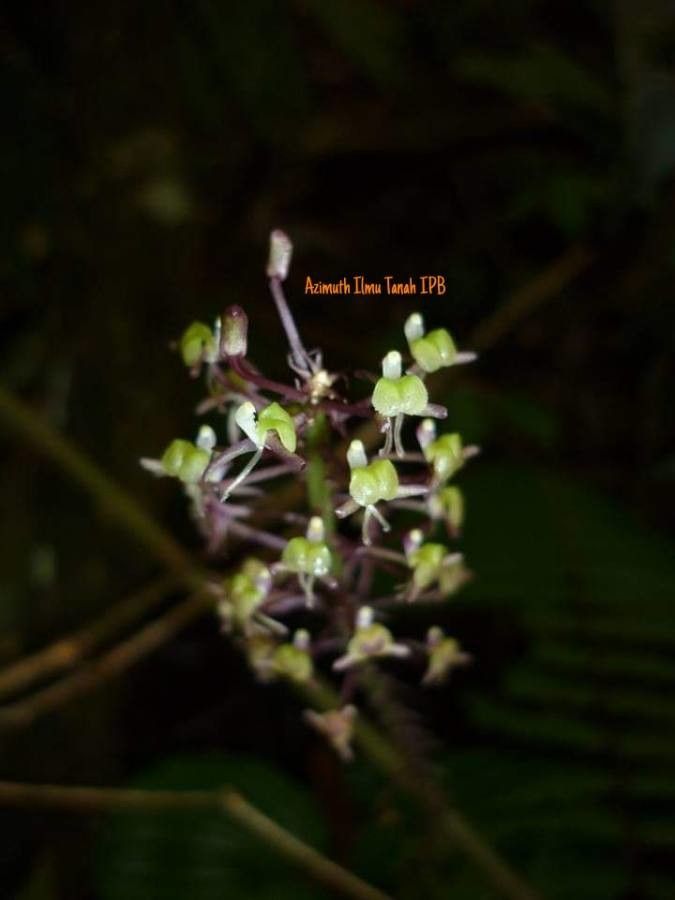
Oh, hello there! Pull up a chair, let’s chat about one of my favorite little green treasures: Liparis javanica. If you’ve ever seen this beauty, you know why it’s so appealing. Its delicate, often striking foliage and sometimes subtle, sweet-smelling blooms bring a touch of the exotic to any indoor space. And the wonderful thing about Liparis javanica is that it’s quite amenable to propagation. It’s not something I’d call trickier for beginners, but like anything worth nurturing, it rewards a little mindful attention. Getting new plants from your existing ones is one of the most satisfying parts of this hobby, don’t you think?
When’s the Best Time to Start?
Honestly, the best time to get your propagation party started is usually in spring or early summer. This is when the plant is actively growing, full of vigor and ready to put out new shoots. You’ll see the most robust roots forming during this period, giving your new plants the best head start.
What You’ll Need for Your Propagation Adventure
Gathering your supplies beforehand makes the whole process so much smoother. Here’s what I usually have on hand:
- Sharp, clean pruning shears or a sterile knife: For making neat cuts.
- Potting mix: I usually lean towards a well-draining orchid mix or a blend of perlite, peat moss, and bark. Liparis javanica really dislikes sitting in soggy soil.
- Small pots or trays: Whatever works for your chosen method. Make sure they have drainage holes!
- Rooting hormone (optional, but helpful): A powder or gel can give your cuttings an extra boost.
- Water: Clean, room-temperature water is best.
- A propagation dome or plastic bag: To create a humid environment.
Let’s Get Propagating: My Favorite Methods
There are a couple of ways you can go about propagating Liparis javanica, and I find success with both.
Method 1: Division (My Go-To for Established Plants)
This is probably the easiest and most reliable method, especially if you have a mature plant that’s starting to get a bit crowded.
- Gently remove the plant from its pot. Sometimes this requires a little encouragement with a tap on the sides or a gentle loosen around the edges with a knife.
- Carefully tease apart the root ball. You’re looking for natural breaks where new pseudobulbs or growth points are already forming. You want to ensure each division has at least one or two healthy roots and a growing point.
- If necessary, use your clean pruning shears to make a clean cut. Don’t be afraid to make the cuts distinct if you need to.
- Pot each division into its own small pot. Use your well-draining mix and plant them at the same depth they were previously growing.
- Water sparingly and place them in a bright spot out of direct sunlight.
Method 2: Stem Cuttings (For the Adventurous)
This method can take a bit longer, but it’s rewarding when it works!
- Identify a healthy stem with at least two to three nodes (little bumps where leaves emerge).
- Using your sterile knife or shears, make a clean cut just below a node.
- Remove the lower leaves from the cutting, leaving just a couple at the top.
- Dip the cut end into rooting hormone if you’re using it.
- I prefer to water propagate cuttings first. Insert the cut end of the stem into a jar of clean water. Make sure no leaves are submerged as this can lead to rot.
- Place the jar in a bright spot away from direct sun. Change the water every few days to keep it fresh.
- Be patient! It can take several weeks to see tiny root nubs appear. Once the roots are at least an inch long, you can carefully pot the cutting into your well-draining potting mix.
The “Secret Sauce”: My Insider Tips
Here are a few things I’ve learned over the years that can make a big difference:
- Don’t rush the roots. For water propagation, I wait until the roots are a good length, usually an inch or more, before planting. A cutting with just nubs is more delicate and prone to transplant shock.
- Bottom heat works wonders. If you’re using the stem cutting method and planting directly into mix (which I sometimes do if it’s warm enough), placing the pot on a seedling heat mat can significantly speed up root development. Just keep it on a low setting.
- Humidity is your friend, but not constant sogginess. For cuttings, a light misting and covering with a plastic bag or dome helps create the humid microclimate they crave. But always allow for some air circulation to prevent fungal issues. I often “vent” the bag for an hour or two daily.
Aftercare and What Ifs
Once your new plant has developed a decent root system and is showing signs of new growth (hooray!), it’s time to treat it like the established plant it will soon be. Keep it in bright, indirect light and water when the top inch of soil feels dry.
Now, what if things don’t go quite as planned? The most common issue I see is rot. This usually happens from too much moisture and not enough airflow. If you notice mushy stems or leaves turning yellow and dropping off, it’s often a sign of overwatering. If you catch it early enough, you might be able to salvage a healthy piece by cutting away the rotten parts and trying again, but often, it’s best to discard the affected material to prevent it from spreading. Don’t be discouraged – it happens to the best of us!
A Final Word of Encouragement
Propagating Liparis javanica is such a rewarding journey. It’s a chance to multiply the beauty you love and to understand your plants on a deeper level. Remember to be patient with the process. Some cuttings take their sweet time, and that’s perfectly okay. Enjoy watching those tiny roots emerge and the promise of new growth. Happy propagating!
Resource:
https://identify.plantnet.org/k-world-flora/species/Liparis%20javanica%20J.J.Sm./data