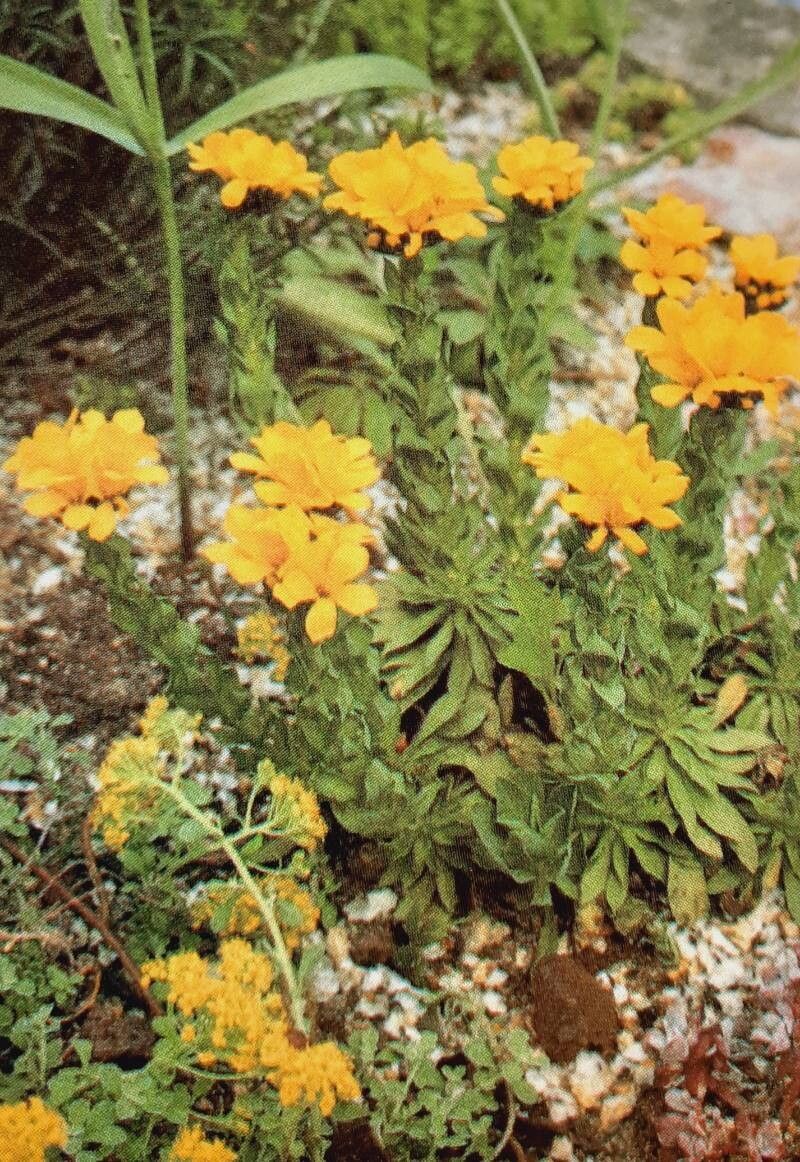
Hello there, fellow plant lovers! Today, we’re diving into the delightful world of Linum capitatum, also known as clustered flax. If you adore those sunny, golden blooms that dance in the breeze, you’re in for a treat. Propagating Linum capitatum is a wonderfully rewarding endeavor, and I’m here to share how you can easily fill your garden (or your home!) with more of these beauties. It’s a plant that’s quite forgiving, making it a great one to try, even if you’re just starting your propagation journey.
The Best Time to Start
For the highest success rate when propagating Linum capitatum, I find spring to early summer to be the absolute sweet spot. This is when the plant is actively growing and has plenty of energy to put into developing new roots. You want to catch it in its vigorous growth phase, not when it’s starting to wind down its blooming cycle.
Supplies You’ll Need
Gathering your tools beforehand makes the whole process so much smoother. Here’s what I always have on hand:
- Sharp, clean pruning shears or a sharp knife: For making clean cuts.
- Small pots or seed trays: Whatever you have that’s suitably sized for cuttings.
- Well-draining potting mix: A blend of peat moss, perlite, and a little bit of coarse sand works wonders. You can also find pre-made cactus and succulent mixes that are often a good base.
- Rooting hormone (optional but recommended): This really gives cuttings a nice boost.
- Plastic bags or a propagation dome: To maintain humidity around your cuttings.
- A spray bottle: For misting.
- Labels or markers: To keep track of what’s what!
Propagation Methods
Linum capitatum is a gem because it’s pretty adaptable. I usually have the best luck with stem cuttings.
Stem Cuttings:
- Take Your Cuttings: In late spring or early summer, look for healthy, non-flowering shoots. Using your sharp shears, take cuttings that are about 4-6 inches long. Make your cut just below a leaf node (where the leaves attach to the stem).
- Prepare the Cuttings: Gently remove the lower leaves from the cutting, leaving just a few at the top. This helps prevent rot and focuses the plant’s energy on root development.
- Apply Rooting Hormone (Optional): Dip the cut end of the stem into rooting hormone if you’re using it. Tap off any excess.
- Plant the Cuttings: Fill your small pots with the well-draining potting mix. Make a small hole in the center with your finger or a pencil, and insert the cutting about an inch deep. Gently firm the soil around it.
- Water and Cover: Water them gently but thoroughly. Then, cover each pot with a plastic bag or place them under a propagation dome to create a humid environment. This is crucial!
- Placement: Place the pots in a bright spot that receives indirect sunlight. Avoid direct sun, which can scorch young cuttings.
The “Secret Sauce” (Pro Tips)
Now, for a few little tricks I’ve learned over the years that can really make a difference:
- Bottom Heat is Your Friend: If you have the option, placing your pots on a gentle heated propagator mat can significantly speed up root formation. It mimics the warmth they’d get from the soil in warmer months. Just a low setting is needed.
- Don’t Overwater the Soil Initially: While they need moisture, soggy conditions are the enemy of cuttings, especially before roots form. I like the soil to feel moist but not waterlogged. The covering helps trap humidity, so you won’t need to water too often once they’re set up.
- Patience with the Leaves: If you do decide to try water propagation with a few cuttings (though I find soil is more reliable for Linum capitatum), always ensure no leaves are submerged in the water. Any part of the leaf below the waterline will just rot and contaminate the water, preventing root growth.
Aftercare & Troubleshooting
Once you start seeing new leaf growth, that’s a great sign that roots are forming! This usually takes a few weeks. You can gently tug on a cutting – if there’s resistance, roots are developing.
- Gradual Acclimation: Once roots are established, gradually remove the plastic cover or open the propagation dome over a few days to let the new plants acclimate to normal humidity.
- Watering: Continue to keep the soil consistently moist but not soaking.
- Repotting: When the new plants are a decent size and have a good root system, you can transplant them into slightly larger pots.
The most common issue you’ll encounter is rot. If a cutting turns black and mushy, it’s usually a sign of too much moisture, poor drainage, or not enough airflow. Don’t be discouraged if a few don’t make it; that’s part of the learning process! Just remove any rotting cuttings immediately to prevent it from spreading.
A Encouraging Closing
Propagating Linum capitatum is a journey, and like any gardening endeavor, it’s about observation, learning, and a bit of patience. Don’t be afraid to experiment, and celebrate every tiny bit of success. Soon, you’ll have an abundance of these cheerful blooms to enjoy and share. Happy growing!
Resource:
https://identify.plantnet.org/k-world-flora/species/Linum%20capitatum%20Kit.%20ex%20Schult./data