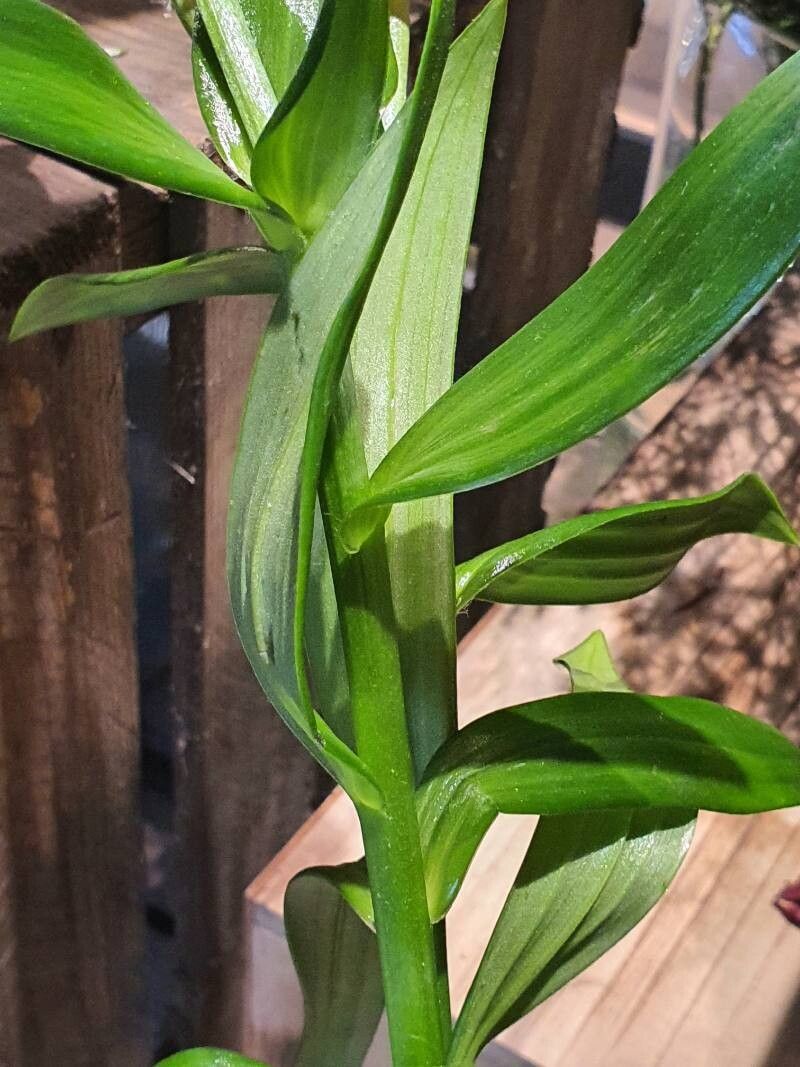
Oh, hello there! I’m so glad you’ve stopped by. Today, we’re going to talk about a truly charming lily: Lilium lancifolium, also known as the Tiger Lily. If you’ve ever seen these beauties gracing a garden, you know why they’re so captivating. Their vibrant, nodding blooms with those distinctive dark spots just scream summer joy. And the best part? They’re surprisingly rewarding to propagate! For those of you just dipping your toes into the world of plant propagation, I think you’ll find Lilium lancifolium to be a welcoming and relatively easy plant to start with. It’s a wonderful way to expand your lily collection without breaking the bank.
The Best Time to Start
When it comes to getting the most bang for your buck with Lilium lancifolium, the late summer or early fall is your golden window. This is right after they’ve finished their spectacular bloom. The plant has a good reserve of energy, and the bulbs are plump and ready for a bit of fussing. Waiting until after they’ve bloomed also means you can enjoy their beauty in the garden for a while longer before you start thinking about taking pieces.
Supplies You’ll Need
To set yourself up for success, gather these essentials:
- Trowel or small shovel: For gently unearthing bulbs.
- Sharp, clean pruners or a knife: Essential for clean cuts.
- Potting mix: A well-draining mix is crucial. I like a blend of good quality potting soil with plenty of perlite or coarse sand.
- Small pots or containers: With drainage holes, of course! For starting your new pups.
- Watering can or spray bottle: For gentle watering.
- (Optional) Rooting hormone: While not strictly necessary for Lilium lancifolium, it can give things a little nudge.
- Labels: Trust me, you’ll forget what you planted and when!
Propagation Methods
Here are a couple of my favorite ways to multiply these lovely lilies:
1. Bulb Division (The Simplest Approach)
This is the most straightforward method, and it’s usually done when you’re transplanting or moving your lilies.
- Dig carefully: In late summer or early fall, gently dig around the base of your mature lily plant. You want to expose the root ball and the cluster of bulbs beneath. Try not to damage the bulbs as you dig.
- Loosen the clump: Once you can see the bulbs, gently tease them apart. You’ll often find smaller offsets, or “pups,” attached to the main bulb.
- Separate the pups: Carefully snap or cut any pups away from the mother bulb. You’re looking for pieces that have at least a few small roots attached. If a pup doesn’t have roots yet, don’t worry, it will likely grow them.
- Replant immediately: This is key! Pot up your new pups individually in your well-draining potting mix. Plant them about 3-4 inches deep, the same depth you’d plant a typical flowering bulb. Water them gently.
2. Bulbils (A Unique Tiger Lily Treat!)
One of the most fascinating things about Lilium lancifolium is the little bulbils that form in the leaf axils (where the leaf meets the stem) during the summer. They look like tiny bulbs and are a fantastic way to get a whole new plant!
- Harvest the bulbils: As the flowers fade and the plant matures, these dark, pea-sized bulbils will loosen and eventually fall off. You can also gently pull them from the stem when they feel ready. Aim for the time when they are a nice, firm, dark color.
- Plant them shallowly: These little guys don’t need to go deep. I like to plant them just about an inch deep in a seedling tray or a small pot filled with that well-draining potting mix. You can space them out a few inches apart, or plant them a bit closer if you’re using a tray.
- Water gently and consistently: Keep the soil moist but not soggy. A light misting is often best for these tiny beginnings to avoid dislodging them.
- Patience is a virtue: It can take a year or even two for bulbils to grow into a plant large enough to flower. So, plant them and forget them for a bit!
The “Secret Sauce” (Pro Tips)
Now, let me share a couple of things I’ve learned over the years that make a real difference:
- Don’t overwater bulbs, ever. This is especially true for the divisions. Lilies are prone to bulb rot if their roots sit in soggy conditions. Make sure your pots drain freely and that the soil feels just slightly moist, not wet, between waterings.
- Give bulbils a head start with a warm drink. If you’re planting bulbils, I sometimes like to place the pot in a warm spot, maybe with a bit of gentle bottom heat (like on top of a refrigerator). This can encourage those tiny roots to get going that much faster. Just don’t let them overheat!
Aftercare & Troubleshooting
Once your new pups or bulbil-grown seedlings start to show signs of life (a tiny green shoot poking through the soil), your main job is to keep them happy.
- Watering: Water them when the top inch of soil feels dry. As they grow larger, they’ll require a bit more water, but always err on the side of caution.
- Sunlight: Most lilies, including Lilium lancifolium, appreciate full sun or partial shade. Protect young, tender shoots from the harshest midday sun, especially if you live in a hot climate.
- Fertilizing: You can start a very dilute liquid fertilizer once they are actively growing, but don’t go overboard. Over-fertilizing can actually harm young plants.
The most common sign of trouble you might encounter is rot. If you see a seedling shriveling or the bulb looking mushy and dark, it’s likely due to too much moisture. In this case, gently pull it out to confirm. Don’t panic! This is a learning process. Sometimes, you might get a bulb that just doesn’t seem to be doing anything. It’s okay; not every cutting or division will be a success.
A Encouraging Closing
Propagating Lilium lancifolium isn’t about perfection; it’s about connection with nature and the pure joy of watching life multiply. Be patient with your new plants, enjoy the process of nurturing them, and soon you’ll have a garden filled with these spectacular blooms. Happy planting!
Resource:
https://identify.plantnet.org/k-world-flora/species/Lilium%20lancifolium%20Thunb./data