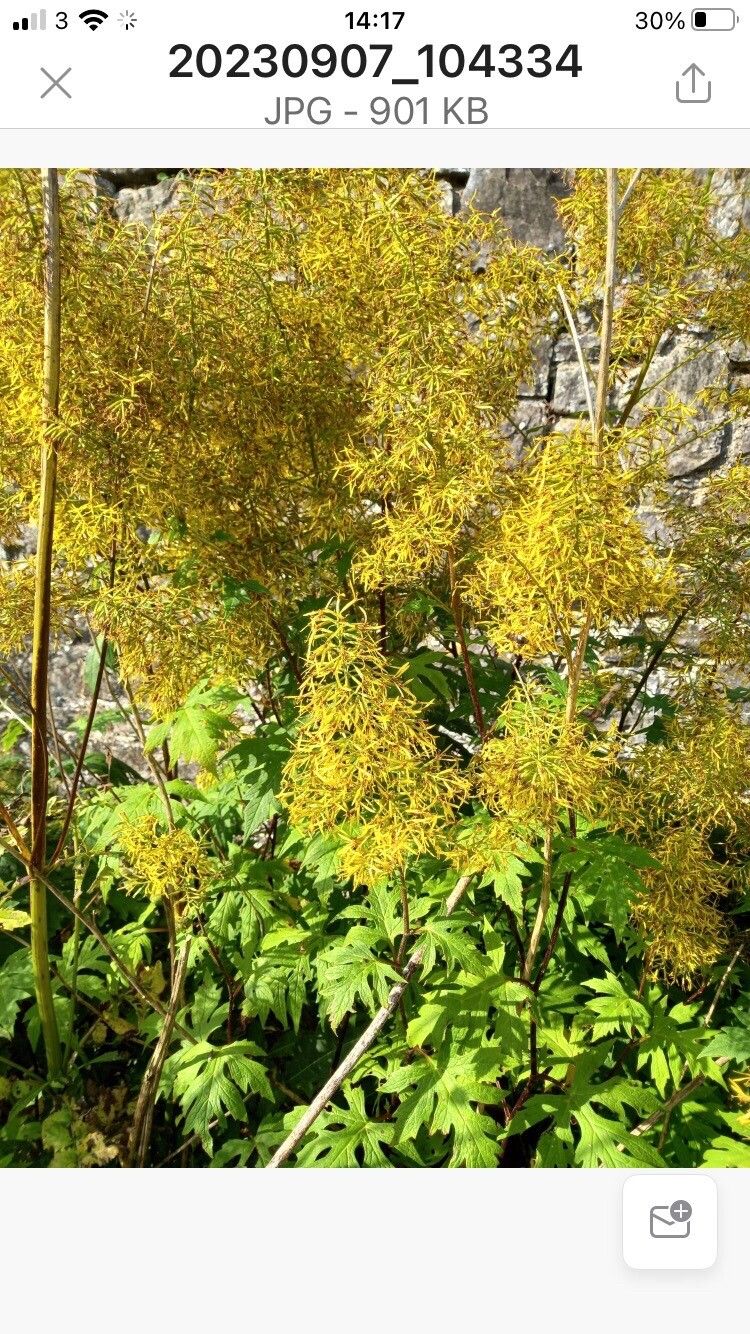
Oh, Ligularia przewalskii! If you’ve ever seen those majestic, architectural spikes of sunshine-yellow flowers gracing a shady corner, you know why this plant is such a garden gem. Its bold foliage and striking bloom stalks bring a wonderful drama to the landscape, especially in those dappled woodlands or beside a water feature where it truly shines. And the best part? It’s surprisingly straightforward to propagate, meaning you can have more of these beauties to share (or just to fill up more garden space, wink wink). I’ve been growing Ligularias for years, and sharing them with friends and fellow gardeners is one of my favorite things to do. For beginners, I’d say this one is pretty approachable, especially with a few of my tried-and-true tips.
The Best Time to Start
For Ligularia przewalskii, the absolute sweet spot for propagation is late spring or early summer. This is when the plant is in active growth, but before its energy is fully committed to blooming. You’ll want to take cuttings or divide plants when they’re vigorous and healthy. Waiting until after the main flush of growth but before the plant starts to fade in late summer or early fall can also work, but I find spring gives you the best head start.
Supplies You’ll Need
Here’s what I usually gather before I get started:
- Sharp Pruning Shears or a Knife: Cleanliness is key to preventing disease.
- Rooting Hormone (Optional but Recommended): A powder or gel can give your cuttings a boost.
- Well-Draining Potting Mix: A good blend of peat moss or coco coir, perlite, and a bit of compost works wonders. I often use a mix designed for cuttings.
- Pots or Trays: Small pots for individual cuttings or a larger tray if you’re doing multiple. Make sure they have drainage holes.
- Plastic Bags or a Humidity Dome: To keep those precious cuttings consistently moist.
- Spray Bottle with Water: For misting.
- Labels and a Marker: So you don’t forget what you planted where!
- If Dividing: A sturdy spade or garden fork.
Propagation Methods
Ligularia przewalskii is quite obliging and readily propagates through a couple of simple methods.
Division (My Favorite!):
This is probably the easiest and most rewarding way to multiply your Ligularia.
- Dig Carefully: In late spring or early fall, gently dig around the base of a mature Ligularia plant. You want to lift the entire root ball.
- Reveal the Divisions: Once out of the ground, you’ll see that the plant has likely formed several distinct clumps or crowns.
- Separate Gently: Using your hands, a sharp knife, or even a spade, separate the root ball into smaller sections. Each section should have at least one healthy bud or growth point and a good amount of roots. Avoid breaking the roots unnecessarily.
- Pot Them Up: Plant each division in its own pot filled with your well-draining potting mix. Water thoroughly.
Stem Cuttings:
This method is great for getting more plants from a single specimen.
- Take Your Cuttings: In late spring or early summer, select a healthy, non-flowering stem. Using your sharp pruners, cut a section about 4-6 inches long. Make the cut just below a leaf node (where a leaf attaches to the stem).
- Prepare the Cuttings: Gently remove the lower leaves, leaving just a couple at the top. If you’re using rooting hormone, dip the cut end into the powder or gel.
- Plant the Cuttings: Fill your pots with your well-draining mix. Make a small hole in the center with a pencil or your finger and insert the cutting, ensuring the nodes where you removed leaves are buried. Firm the soil around the stem.
- Water and Cover: Water gently. Then, cover the pot with a plastic bag or place it under a humidity dome. This creates a mini-greenhouse effect.
The “Secret Sauce” (Pro Tips)
Here are a few little tricks that have made a big difference for me:
- Don’t Let Leaves Touch Water (for Cuttings): If you’re rooting cuttings in water (which can work for Ligularia, though division is generally more successful), make absolutely sure that no leaves are submerged. They will rot quickly, and it can transmit disease to the stem before roots even form. Just a few leaves at the very top is all you need.
- Bottom Heat is a Game Changer: Especially for stem cuttings, placing your pots on a heated propagation mat can significantly speed up root development. It mimics the warmth of spring soil and really encourages those roots to get going.
- Be Patient with Divisions: Sometimes, a division might look a little sad for the first week or two. That’s okay! If you’ve got good roots and a healthy crown, it just needs a little time to adjust. Don’t overwater it thinking you’re helping – focus on consistent moisture.
Aftercare & Troubleshooting
Once your divisions are potted or your cuttings have started to show signs of rooting (you might see new leaf growth or feel a gentle tug when you lightly pull on a cutting), it’s time to adjust their care.
- Gradual Acclimation: If your cuttings are under plastic, start by peeking the bag open for a few hours each day, gradually increasing the time until you can remove the plastic entirely. This helps them adjust to drier air.
- Consistent Moisture: Keep the soil consistently moist but not soggy. Too much water is the fastest way to invite fungal diseases.
- Light: Place your new plants in a bright spot with indirect light. Direct sun will scorch young foliage.
- Look for Rot: The most common sign of failure is rot, which appears as mushy, black stems, especially at the soil line. This is usually due to overwatering or poor air circulation. If you see this, it’s usually a lost cause, so remove the affected plant to prevent it spreading. You might also see leaves wilting and turning yellow, which can indicate insufficient roots or too much heat/sun.
A Little Patience Goes a Long Way
Propagating Ligularia przewalskii is a wonderfully rewarding process. It connects you more deeply with your garden and provides the joy of sharing those beautiful blooms with others. Don’t be discouraged if your first attempt isn’t perfect. Gardening is all about learning and adapting. Enjoy the journey, celebrate every new sprout, and soon you’ll be surrounded by even more of these gorgeous plants! Happy growing!
Resource:
https://identify.plantnet.org/k-world-flora/species/Ligularia%20przewalskii%20(Maxim.)%20Diels/data