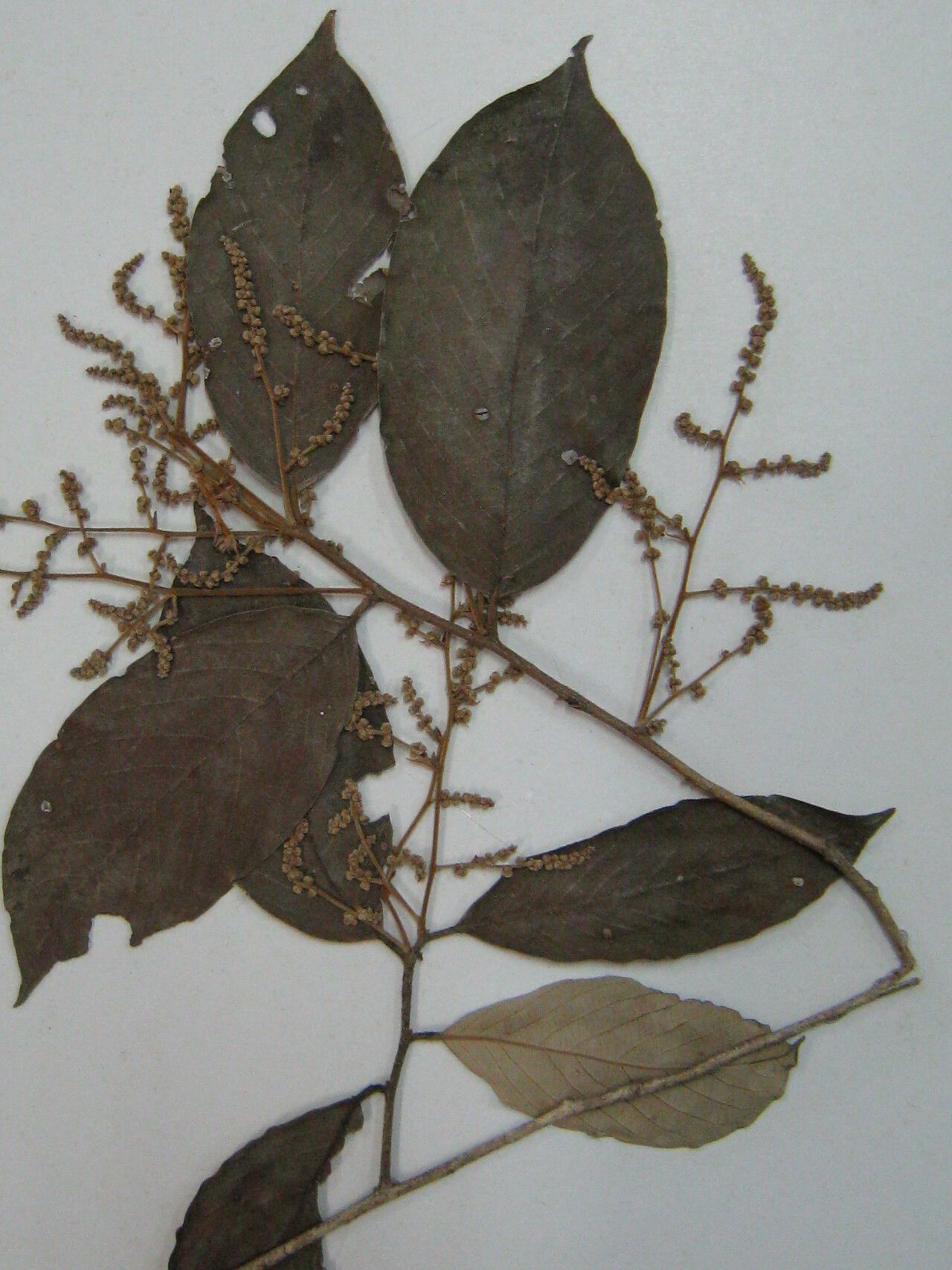
Hello there, fellow garden enthusiasts! Today, we’re diving into the wonderful world of propagating Licania maxima.
A Glimpse of Brilliance: Why Propagate This Beauty?
Licania maxima has this… almost regal presence, doesn’t it? Those glossy, deep green leaves, often with a striking underside, can really elevate any garden. And the satisfaction of nurturing a brand new plant from a tiny piece of its parent? That’s pure gardening gold. Now, I won’t lie to you; Licania maxima can be a bit of a diva when it comes to propagation. It’s not exactly a “stick it in the ground and hope for the best” kind of plant for beginners, but with a little patience and the right approach, you’ll be celebrating success.
When Your Licania is Ready to Share
The sweet spot for propagating Licania maxima is generally late spring to early summer. This is when the plant is in its active growth phase, and new shoots are plump and full of vigor. They have the energy reserves needed to push out roots. Avoid trying to propagate when the plant is stressed from extreme heat or cold.
Your Propagation Toolkit
Gathering your supplies beforehand makes the whole process much smoother. Here’s what you’ll want to have on hand:
- Sharp, clean pruning shears or a sharp knife: A clean cut is crucial to prevent disease.
- Rooting hormone powder or gel: This isn’t strictly mandatory for Licania but it can give your cuttings a significant boost.
- A well-draining potting mix: I love a blend of coco coir, perlite, and a little bit of compost. Avoid heavy garden soil.
- Small pots or propagation trays: Clean ones are a must!
- Clear plastic bags or a propagation dome: To create a humid environment.
- Watering can with a fine rose or a spray bottle.
Bringing New Life: Methods for Success
While Licania can be a touch particular, stem cuttings are your most reliable bet.
Stem Cuttings:
- Select your material: Look for healthy, semi-hardwood stems. These are stems that were new growth earlier in the season but have started to firm up a bit. Avoid very soft, new tips or old, woody branches.
- Make the cut: Using your sharp shears, take cuttings that are about 4-6 inches long. Make your cut just below a leaf node (where a leaf attaches to the stem). This is where the magic happens in terms of root development.
- Prepare the cutting: Gently remove the lower leaves from the cutting, leaving just a few at the top. This prevents them from rotting in the soil.
- Dip and plant: Dip the bottom end of the cutting into your rooting hormone, tapping off any excess. Then, carefully insert the cutting into your prepared potting mix, making sure it’s firm enough to stand up on its own. A small dibber or even a pencil can help make a pilot hole.
- Create the humidity tent: Water the soil lightly until it’s moist but not soggy. Then, cover the pot with a clear plastic bag or place it under a propagation dome. This will trap humidity, which is vital for cuttings to not dry out before they can form roots.
My “Secret Sauce” for Licania
Years of trial and error have taught me a few things that really make a difference with these plants.
- The Magic of Bottom Heat: If you have the space, place your pots on a heating mat. This gentle warmth encourages root formation from below, mimicking the soil temperatures during its natural growing season. It’s a game-changer for trickier propagations.
- Don’t Drown Your Dreams: Even though they love humidity, don’t let the leaves of your cuttings touch the sides of the plastic bag or the soil surface. Condensation can gather on them, leading to fungal issues. If they slump, gently prop them up with a small stick.
- Patience is a Virtue: Licania can be slow to root. Don’t be tempted to pull them out and check for roots every other day! Give them at least 6-8 weeks, and often longer, before you even think about disturbing them.
Nurturing Your New Sprouts & What to Watch For
Once you start seeing new leaf growth or a gentle tug on the cutting reveals resistance (signifying root development), you’re on the right track!
- Acclimatization: Gradually begin to expose your new plants to less humid conditions. This might mean opening the plastic bag a bit each day, or lifting the dome for increasing periods. This transition prevents shock.
- Watering: Continue to keep the soil consistently moist but not waterlogged. Overwatering is the quickest way to rot off developing roots.
- Troubleshooting: The most common issue you’ll face is rot. If a cutting turns black and mushy, it’s sadly gone. This is often due to too much moisture in the soil, poor air circulation, or a dirty cutting. If you see this happen, remove the affected cutting immediately to prevent it from spreading to others. Yellowing leaves can sometimes indicate too much or too little water, or insufficient light.
Keep Growing!
Propagating Licania maxima might take a little extra care and a good dose of patience, but the reward of seeing your own little piece of this stunning plant thrive is absolutely worth it. Enjoy the process, learn from each attempt, and don’t be discouraged if it doesn’t work perfectly the first time. Happy gardening!
Resource:
https://identify.plantnet.org/k-world-flora/species/Licania%20maxima%20Prance/data