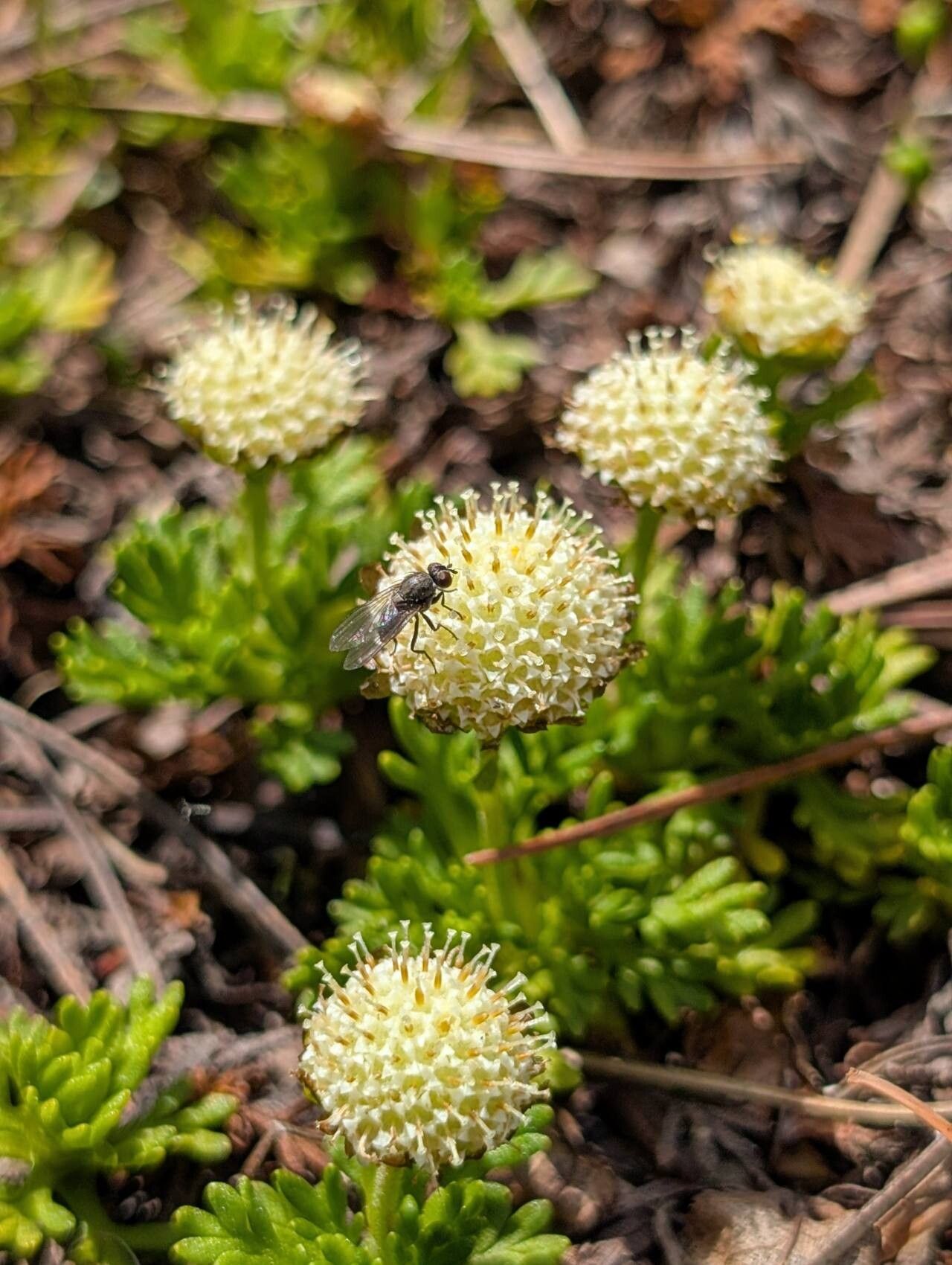
Hello there, fellow garden enthusiasts! I’m so excited to share a little secret from my garden with you today: Leptinella pyrethrifolia, or as I affectionately call it, “little bronze carpet.” This isn’t your showy, in-your-face bloomer, but oh, the understated elegance! Its fine, fern-like foliage forms a delightful low-growing mat, often in shades of bronze and green, that can weave its way between stepping stones or soften the edges of a border. It’s the kind of plant that whispers beauty rather than shouts it. And the best part? It’s delightfully easy to propagate. Even if you’re just dipping your toes into the world of plant propagation, this one is a fantastic place to start. You’ll be amazed at how quickly you can fill in shady spots or share these little beauties with friends.
The Best Time to Start
For Leptinella pyrethrifolia, spring is absolutely your golden ticket. As the weather warms up and the plant starts to actively grow after its winter rest, it has all the energy it needs to push out new roots. Look for new growth, those tender, bright shoots that are just beginning to unfurl. This is when the plant is most receptive and resilient. Aim for late spring or early summer, after the last threat of frost has passed.
Supplies You’ll Need
Ready to get your hands dirty? Here’s what you’ll want to have on hand:
- Sharp pruning shears or scissors: Clean cuts are key to preventing disease.
- Small pots or seed trays: Whatever you have that can hold a little bit of soil.
- Well-draining potting mix: A good general-purpose potting mix is fine, but I like to add a bit of perlite or coarse sand to ensure excellent drainage.
- Rooting hormone (optional but helpful): This can give your cuttings a little boost. Look for a powder or gel.
- Watering can or spray bottle: For gentle watering.
- Labels: Trust me, years from now you’ll thank yourself for labeling your cuttings!
Propagation Methods
Leptinella pyrethrifolia is a joy to propagate, and you have a couple of really effective methods at your disposal. My personal favorite is taking stem cuttings, but division can be just as successful, especially with more mature plants.
Stem Cuttings: Little Sprigs of Hope
This is my go-to method, and it’s surprisingly simple.
- Choose your source: Head out to your Leptinella and look for those healthy, non-flowering stems. You want stems that are sturdy but not woody – think the growth from the current season.
- Take the cutting: Using your sharp pruning shears, take cuttings that are about 3-4 inches long. Make your cut just below a leaf node (the little bump where leaves emerge).
- Prepare the cutting: Gently remove the lower leaves from the bottom half of the cutting. This is important because any leaves below the soil line will likely rot.
- Apply rooting hormone (optional): If you’re using rooting hormone, dip the cut end of the stem into it, tapping off any excess.
- Plant your cuttings: Fill your small pots with your well-draining potting mix. Make a small hole in the center with your finger or a dibber.
- Insert and firm: Place the prepared cutting into the hole, ensuring at least one or two leaf nodes are buried in the soil. Gently firm the soil around the stem to ensure good contact.
- Water gently: Water the soil thoroughly but gently. You want it moist, not waterlogged.
- Create a mini-greenhouse: I like to cover the pots with a clear plastic bag or place them in a propagator. This helps maintain humidity, which is crucial for cuttings to root. Just make sure a few tiny holes are poked in the bag for ventilation to prevent mildew.
- Find a cozy spot: Place your pots in a location that gets bright, indirect light. Avoid direct sunlight, as it can scorch the tender cuttings.
- Be patient! It can take anywhere from 3-6 weeks for these little guys to develop a respectable root system. You can check by very gently tugging on the cutting – if there’s resistance, you’ve got roots!
Division: Sharing the Bounty
If you’ve had your Leptinella for a few years, it might be getting a bit big and bushy. Dividing it is a fantastic way to get more plants and give your original one a new lease on life.
- Water the parent plant: A day or two before you plan to divide, water your Leptinella thoroughly. This helps the roots stay hydrated during the process.
- Gently excavate: Carefully dig up the entire plant, trying to get as much of the root ball as possible.
- Divide the clump: You can use your hands, two forks, or a trowel to gently separate the plant into smaller sections. Each section should have a good amount of roots and some healthy foliage.
- Replant immediately: Pot up the divisions into fresh, well-draining potting mix, treating them much like newly purchased plants. Water them in well.
The “Secret Sauce” (Pro Tips)
Here are a few little tricks I’ve picked up that seem to make all the difference:
- Don’t let the leaves touch the water: If you’re doing water propagation (though I find cuttings in soil more reliable for Leptinella), make sure only the stem is submerged, not the leaves. Wet leaves are a prime spot for rot.
- Bottom heat is a game-changer: If you have a heat mat (the kind used for seedlings), placing your pots on it can significantly speed up root development. It mimics the warmth from the soil in warmer months and really encourages those roots to emerge.
- Mist, don’t drench: While cuttings need humidity, overwatering can be their downfall. A light misting or occasional spray bottle spritz is often enough to keep the leaves happy without waterlogging the soil.
Aftercare & Troubleshooting
Once you see those little roots peeking out or feel that gentle tug of resistance, congratulations! You’ve got new plants.
- Gradual acclimatization: If you used a plastic bag, start by removing it for a few hours each day, then gradually increasing the time until the bag is off completely. This helps them adjust to lower humidity.
- Consistent moisture: Keep the soil consistently moist but not soggy. As they grow and develop a stronger root system, you can gradually ease up on the watering frequency, allowing the top inch of soil to dry out between waterings.
- Watch for rot: The most common sign of failure is rot. If your cuttings are wilting, turning mushy, or developing black spots, it’s usually a sign of overwatering or poor air circulation. Sometimes, you can save a stem by cutting away the rotten part and trying again, but often it’s best to discard it to prevent spreading to other cuttings. Fungal issues can also arise from poor hygiene – always use clean tools and pots!
Happy Propagating!
There you have it! Propagating Leptinella pyrethrifolia is a truly rewarding experience. It’s a gentle reminder of nature’s resilience and a wonderful way to expand your garden’s charm. Be patient with your new little plants, give them a little love, and soon you’ll have a spreading carpet of delicate beauty. Happy gardening, and enjoy the process!
Resource: