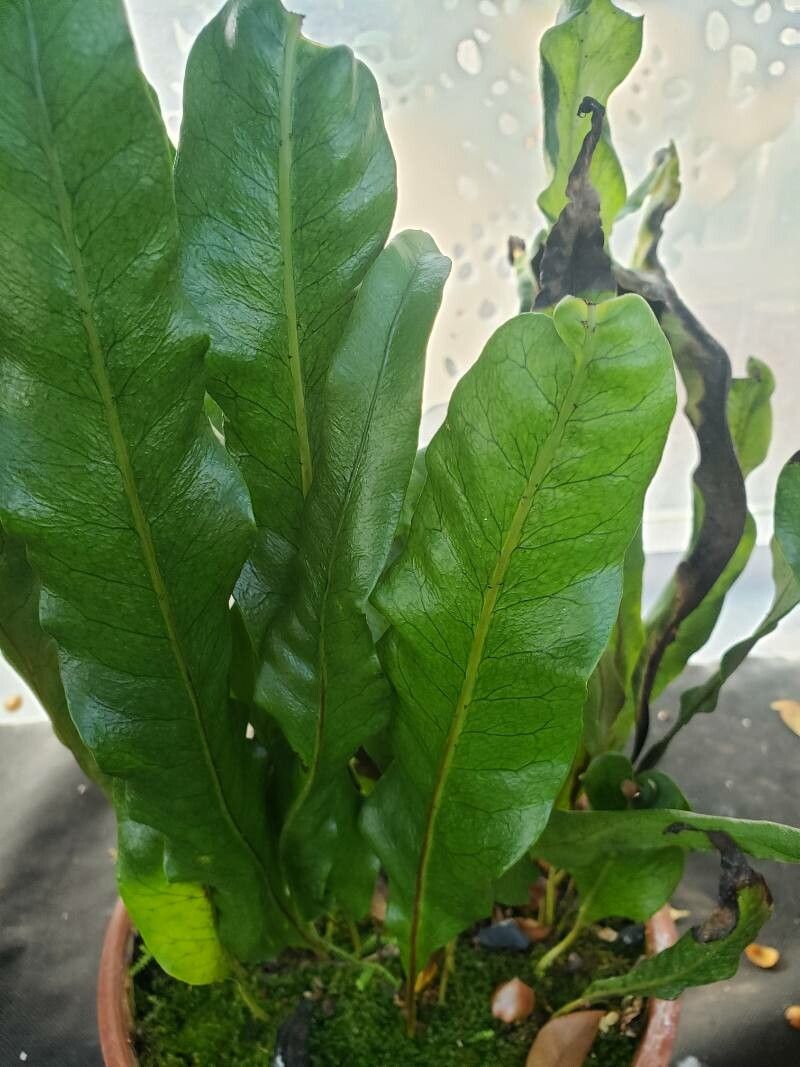
Hello there, fellow plant enthusiasts! It’s your favorite garden guru, back with another exciting plant to talk about. Today, we’re diving into the wonderful world of Lepisorus bicolor, a fern that’s truly captured my heart. Its shimmering, elongated fronds bring such a unique texture and elegance to any space, whether it’s hanging from a basket or gracing a shelf. And the best part? You can easily share this beauty with friends or expand your own collection through propagation. It’s a incredibly rewarding feeling to nurture a tiny cutting into a lush, full plant.
Now, for the big question: is Lepisorus bicolor a beginner-friendly propagator? I’d say it’s moderately easy. It’s not as foolproof as some succulents, but with a little attention and care, even a novice can achieve great results. We’ll walk through it together, step-by-step, so don’t you worry!
The Best Time to Start
For ferns like Lepisorus bicolor, the absolute best time to try your hand at propagating is during its active growing season. This generally spans from spring through late summer. During these warmer months, the plant has more energy to put into root development. Trying to propagate when the plant is dormant, usually in the cooler, darker months, will likely lead to frustratingly slow or no results.
Supplies You’ll Need
Gathering your tools beforehand makes the whole process much smoother. Here’s what you’ll want to have on hand:
- Sharp, sterile pruning shears or a clean knife: For making clean cuts.
- A well-draining potting mix: I like a blend of peat moss, perlite, and a bit of orchid bark for ferns. You can also buy specific fern mixes.
- Small pots or trays: Clean ones are essential to prevent disease.
- Watering can with a fine rose or a spray bottle: For gentle watering.
- Optional: Rooting hormone: This can give your cuttings an extra boost. I prefer the powder form.
- Optional: A clear plastic bag or dome: To create a humid environment.
Propagation Methods
Lepisorus bicolor is most commonly and successfully propagated through division or by taking stem cuttings. Let’s explore both!
Division (My Favorite!)
This is often the easiest and most successful method for ferns. You’re essentially dividing a mature plant into smaller, independent plants.
- Gently remove the plant from its pot. Tip it out onto a clean surface, like newspaper or a tray.
- Inspect the root ball. You’ll see where distinct clumps are forming.
- Carefully tease apart the sections. You can use your fingers or a clean trowel to gently separate the rhizomes (the thick, stem-like structures that grow horizontally). Try to ensure each new division has at least a few healthy fronds and some roots attached.
- Repot each division. Place them in their own clean pots filled with your fern-specific potting mix.
- Water gently. Water thoroughly until water drains from the bottom, then let them settle in.
Stem Cuttings (From Rhizomes)
This method involves taking sections of the plant’s rhizome that have new growth.
- Locate a healthy rhizome on your mature Lepisorus bicolor. Look for a section that has small fronds or buds emerging.
- Using your sterile shears or knife, cut off a section of the rhizome that is at least 1-2 inches long and has at least one or two emerging fronds.
- Prepare the cutting. You can lightly dust the cut end with rooting hormone, if you’re using it. For Lepisorus bicolor, I find it’s best to plant these rhizomes almost horizontally, with the emerging fronds just peeking above the surface.
- Plant the cutting. Place the prepared rhizome section in a small pot filled with your moist, well-draining potting mix.
- Water gently. Water lightly.
The “Secret Sauce” (Pro Tips)
You know, after years of gardening, you pick up a few little tricks that make all the difference. Here are my top recommendations for happy Lepisorus bicolor propagation:
- Humidity is King! Ferns absolutely love moisture in the air, and young cuttings are even more vulnerable to drying out. Once your cuttings are planted, cover the pot with a clear plastic bag or put it inside a propagator with a lid. This creates a mini-greenhouse effect, keeping humidity high and the air moist, which encourages root formation. Just be sure to open the bag for a few minutes each day to allow for air circulation and prevent fungal issues.
- Don’t Over-Water, But Keep Them Consistently Moist. This is a delicate balance. You don’t want soggy soil, as that leads to rot, but you also don’t want the potting mix to dry out completely. I check mine by gently touching the surface of the soil. If it feels dry to the touch, it’s time for a light watering.
- Bottom Heat Helps Immensely. If you have a seedling heat mat, using it under your pots can significantly speed up root development. It provides gentle, consistent warmth to the soil, which the roots absolutely adore, especially for those rhizome cuttings.
Aftercare & Troubleshooting
Once your cuttings have shown signs of new growth or your divided plants have settled in, it’s time for a little ongoing love.
Continue to keep the soil consistently moist but not waterlogged. As new fronds unfurl, you can gradually acclimate them to slightly lower humidity by opening the plastic bag for longer periods. Once the new plants are clearly established and have a good root system (you might see them filling the pot or starting to push new fronds out vigorously), you can treat them like your mature Lepisorus bicolor.
Now, what if things don’t go as planned? The most common issue you’ll encounter is rot, indicated by slimy, discolored stems or fronds collapsing. This usually means the soil has been too wet, or there wasn’t enough air circulation. If you see this, remove the affected parts immediately and try to let the soil dry out a bit more before watering again. Another sign of failure is simply no new growth after several weeks. This might mean the cutting wasn’t viable, it didn’t get enough warmth or moisture, or the parent plant wasn’t healthy to begin with. Don’t be discouraged if your first attempt isn’t a roaring success!
A Encouraging Closing
Gardening is a journey, filled with learning and a whole lot of patience. Propagating Lepisorus bicolor is a wonderful way to connect with nature and multiply the beauty in your home. Be patient with your new little ferns, give them the conditions they love, and celebrate every tiny success. Before you know it, you’ll have a whole family of these stunning plants! Happy growing!
Resource:
https://identify.plantnet.org/k-world-flora/species/Lepisorus%20bicolor%20(Takeda)%20Ching/data