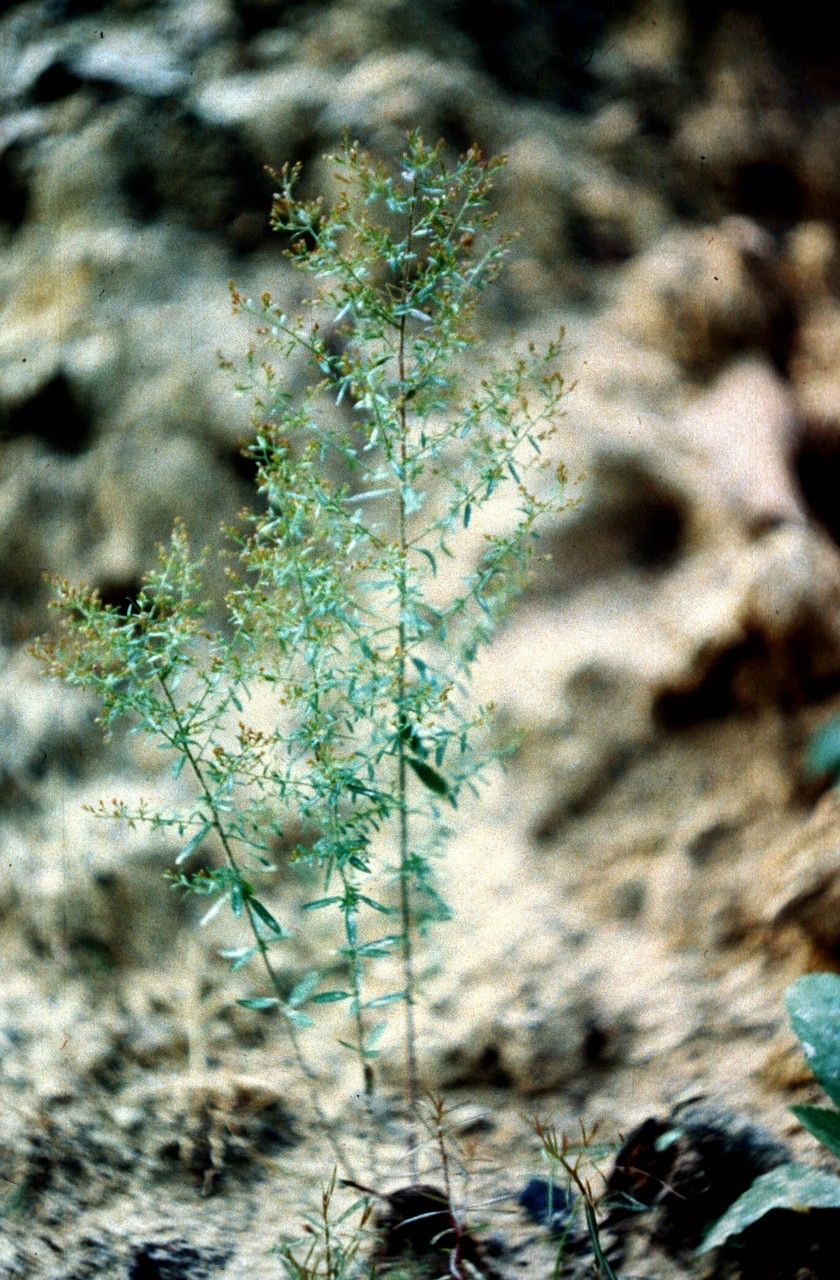
Oh, hello there! Fancy meeting you here in my little online garden nook. I’m so glad you stopped by. Today, we’re going to talk about a plant that’s really captured my heart over the years: Lechea racemulosa. You might know it as pinweed, or sometimes Loblolly Pine’s companion. It’s a charming little native beauty, with delicate foliage and tiny, yet rather striking, clusters of flowers. Growing it from seed can be a bit of a gamble, and frankly, a slow dance. But propagating it ourselves? That’s where the real magic happens, and the rewards are so satisfying. You’ll have a whole clan of these beauties without breaking the bank!
Now, is this a beginner-friendly operation? I’d say it leans towards the intermediate side, but with my guidance, I think even a curious novice can give it a real shot. The key is observation and a little bit of patience.
The Best Time to Start
For Lechea racemulosa, my absolute favorite time to get propagating is late spring to early summer. This is when the plant is actively growing, bursting with energy. You want to take cuttings from stems that are firm and have just finished their initial flush of vigorous growth but haven’t started to feel woody yet. Think of it as capturing that youthful exuberance! Waiting until mid-summer, when things have really hardened up, can make rooting much more challenging.
Supplies You’ll Need
Here’s what I like to have on hand when I’m ready to get started:
- Sharp Pruning Shears or a Craft Knife: Cleanliness is paramount!
- Rooting Hormone (Optional, but Recommended): This gives your cuttings a helpful boost. A powder or gel works well.
- Well-Draining Potting Mix: I personally love a mix of equal parts peat moss and perlite, or a good commercial seed-starting mix with extra perlite added. The goal is aeration and preventing soggy conditions.
- Small Pots or Seedling Trays: Clean, preferably sterilized, containers.
- Plastic Bags or a Propagator Lid: To create a humid environment.
- Watering Can with a Fine Rose or a Spray Bottle: For gentle watering.
- Labels and a Marker: So you don’t forget what’s what!
Propagation Methods
We’re going to focus on the most reliable method for Lechea racemulosa: stem cuttings. It’s straightforward and yields fantastic results if you follow a few key steps.
Here’s how I do it:
- Take Your Cuttings: Using your clean shears or knife, select healthy, non-flowering stems that are about 3-4 inches long. Make a clean cut just below a leaf node. A leaf node is where a leaf emerges from the stem. It’s a powerhouse of potential!
- Prepare the Cuttings: Gently remove the lower leaves from the bottom 1-2 inches of the stem. You want to expose those leaf nodes, as this is where roots will emerge. You can leave the top few leaves on, as they are important for photosynthesis. If the remaining leaves are very large, you can cut them in half to reduce water loss.
- Apply Rooting Hormone: Dip the cut end of each stem into the rooting hormone, tapping off any excess. If you’re not using hormone, that’s okay, but it will likely take a bit longer to root.
- Plant Your Cuttings: Fill your small pots or trays with your prepared, moist (but not soggy!) potting mix. Make a small hole in the soil with a pencil or your finger. Carefully insert the prepared cutting into the hole, ensuring that at least one or two leaf nodes are buried in the soil. Gently firm the soil around the base of the stem.
- Create a Humid Environment: Water the soil very gently. Then, cover the pot or tray with a clear plastic bag or place it inside a propagator with the lid on. This traps humidity, which is crucial for preventing the cuttings from drying out before they can root.
- Provide Light and Warmth: Place your covered pots in a bright spot, but out of direct sunlight. A north-facing windowsill or a spot under grow lights is perfect. Lechea racemulosa cuttings appreciate a little warmth, so if you have a heat mat designed for seedlings, placing the pots on top can really speed things up.
The “Secret Sauce” (Pro Tips)
Over the years, I’ve learned a few tricks that have made all the difference:
- Dip, Don’t Soak: When using rooting hormone, just dip the very tip. You don’t want to coat the whole stem. Too much hormone can actually inhibit rooting.
- Bottom Heat is Your Friend: Truly, for woody or semi-woody cuttings like these, gentle bottom heat is a game-changer. It encourages root formation from below while the top stays a more moderate temperature. I’ve seen cuttings root twice as fast with this simple addition.
- Don’t Disturb Too Soon: Resist the urge to tug on your cuttings to see if they have rooted! You’ll damage any delicate new roots forming. Wait for clear signs of new top growth, which indicates successful root development.
Aftercare & Troubleshooting
Once you notice new growth on your cuttings, that’s a very good sign! It means roots are developing. Slowly begin to acclimate your new plants to less humid conditions. You can do this by gradually opening the plastic bag or prop lid for longer periods each day.
Water them when the top inch of soil starts to feel dry. Make sure your pots have drainage holes to prevent waterlogged soil, which is the nemesis of young roots.
What if things go wrong? The most common issues are:
- Rotting: This usually happens if the soil is too wet and there’s not enough air circulation. Ensure your mix is well-draining, and don’t overwater. If you see mushy, darkened stems, unfortunately, that cutting is likely lost.
- Wilting: If your cuttings wilt even with humidity, it means they’re drying out faster than they can absorb water. Check your plastic cover is sealed well, and ensure they aren’t in too hot or sunny a spot.
But don’t be discouraged by the occasional failure! Every gardener has them. It’s all part of the learning curve.
A Encouraging Closing
Propagating Lechea racemulosa is a wonderful way to connect with this delightful plant and to multiply its charm in your garden. It takes a little patience, a keen eye, and a willingness to experiment, but watching those tiny roots emerge is incredibly rewarding. So gather your supplies, get your hands in the soil, and enjoy the process. Happy gardening, my friends!
Resource:
https://identify.plantnet.org/k-world-flora/species/Lechea%20racemulosa%20Michx./data