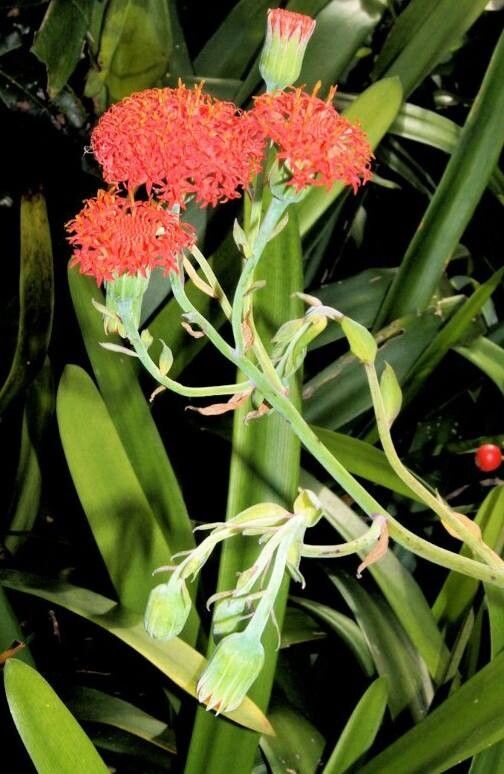
Hello there, fellow plant enthusiasts! Today, I want to talk about a plant that has brought so much architectural beauty and quirky charm to my garden: Kleinia abyssinica. You might know it by its common name, the trailing sausage plant or prickly pickle (though it’s not actually prickly!). Its long, dangling stems, adorned with those fascinating, segmented “sausage” links, create such a dramatic effect. And the best part? It’s surprisingly easy to grow more of them to share, fill out your pots, or even just for the sheer joy of nurturing new life. If you’ve ever felt a bit timid about propagation, Kleinia abyssinica is a fantastic plant to start with. I’d say it’s definitely beginner-friendly!
When’s the Best Time to Get Started?
Honestly, you’ve got a good window with Kleinia abyssinica. The absolute best time, though, is during its active growing season, which is typically spring and summer. This is when the plant is full of vigor and has the energy to bounce back quickly and put out new roots. You can certainly try in early autumn, but growth will slow down, and you might have a longer wait. Avoid trying during the heart of winter when everything is quieting down.
What You’ll Need for Success
Gathering your supplies is half the fun, right? Here’s what I always have on hand when I’m propagating Kleinia abyssinica:
- Sharp Pruning Shears or a Craft Knife: For clean cuts.
- Rooting Hormone (Optional but Recommended): A powder or gel to give cuttings a boost.
- Well-Draining Potting Mix: A cactus or succulent mix is perfect. You can also make your own by mixing equal parts potting soil, perlite, and coarse sand.
- Small Pots or Trays: For your new cuttings. Terracotta pots are great as they breathe.
- Watering Can or Spray Bottle: For gentle watering.
- A Warm, Bright Spot: Away from direct, harsh sunlight initially.
Bringing New Life: Propagation Methods
Kleinia abyssinica is a champion of propagation, and stem cuttings are your go-to method.
Stem Cuttings: My Favorite Way
- Select a Healthy Stem: Look for a mature, but not overly woody, stem. You want one that’s actively growing.
- Make the Cut: Using your clean, sharp shears or knife, cut a piece about 4-6 inches long. Make the cut just below a leaf joint (where the “sausage links” meet). This is where new roots are most likely to form.
- Let it Callus: This is a vital step! The cut end needs to dry and form a scab, or callus, to prevent rot. Place the cutting in a dry, airy spot on your counter for 2-3 days, or even up to a week for thicker stems. Don’t rush this – it’s your best defense against fungal issues.
- Apply Rooting Hormone (Optional): Once callused, dip the cut end into your rooting hormone. Tap off any excess.
- Plant Your Cutting: Fill your small pot with your well-draining soil mix. Make a small hole with your finger or a pencil. Insert the callused end of the cutting into the soil, deep enough so it’s stable. Gently firm the soil around it.
- Water Sparingly: Give the soil a light watering. You want it to be slightly moist, not waterlogged.
Water Propagation (with a Gentle Touch!)
While I often prefer soil, water propagation can work beautifully for Kleinia abyssinica.
- Prepare the Cutting: Same as above – select a healthy stem, cut it, and let it callus for 2-3 days.
- Remove Lower Leaves: Take off any “sausage links” that would sit below the water line.
- Place in Water: Put the callused end in a clean jar or glass of water. Crucially, ensure no leaves are submerged in the water. This is a common mistake that leads to rot.
- Change Water Regularly: Change the water every few days to keep it fresh and oxygenated.
- Wait for Roots: You’ll start to see little white roots emerge from the cut end. This can take a few weeks.
The “Secret Sauce”: My Insider Tips
Here are a few little nudges that have made all the difference for me:
- The Callusing is Non-Negotiable: I can’t stress this enough. Taking that extra time for the cutting to callus is the difference between a happy new plant and a mushy disappointment. It protects the tender tissue.
- Bottom Heat is Your Friend: If you’re propagating in a cooler environment or during a slightly less ideal time of year, placing your pots on a seedling heat mat can significantly speed up root development. It mimics the warmth of spring and summer.
- Don’t Over-Water, Ever: This is the golden rule for succulents and, by extension, Kleinia abyssinica. Damp is good; soggy is deadly. Stick your finger into the soil; if you feel any moisture, wait.
Aftercare and What to Watch For
Once your cutting has developed a robust root system – you’ll see roots coming out of the drainage holes or feel resistance when you gently tug on it – it’s time for a slightly bigger pot. Give it the same treatment as a mature Kleinia abyssinica: bright, indirect light and water only when the soil is completely dry.
Keep an eye out for yellowing leaves, mushy stems, or a bad smell – these are classic signs of rot, usually from too much moisture or insufficient callusing on the cutting. If you spot rot, act quickly. You might be able to salvage a healthy section of the stem by cutting above the rot and re-callusing it.
Happy Propagating!
The beauty of gardening, for me, has always been the generosity of nature. Kleinia abyssinica is so willing to share itself, and propagating it is a wonderful way to connect with that process. Be patient, observe your cuttings, and enjoy the satisfaction of nurturing those tiny signs of life. You’ve got this!
Resource:
https://identify.plantnet.org/k-world-flora/species/Kleinia%20abyssinica%20(A.Rich.)%20A.Berger/data