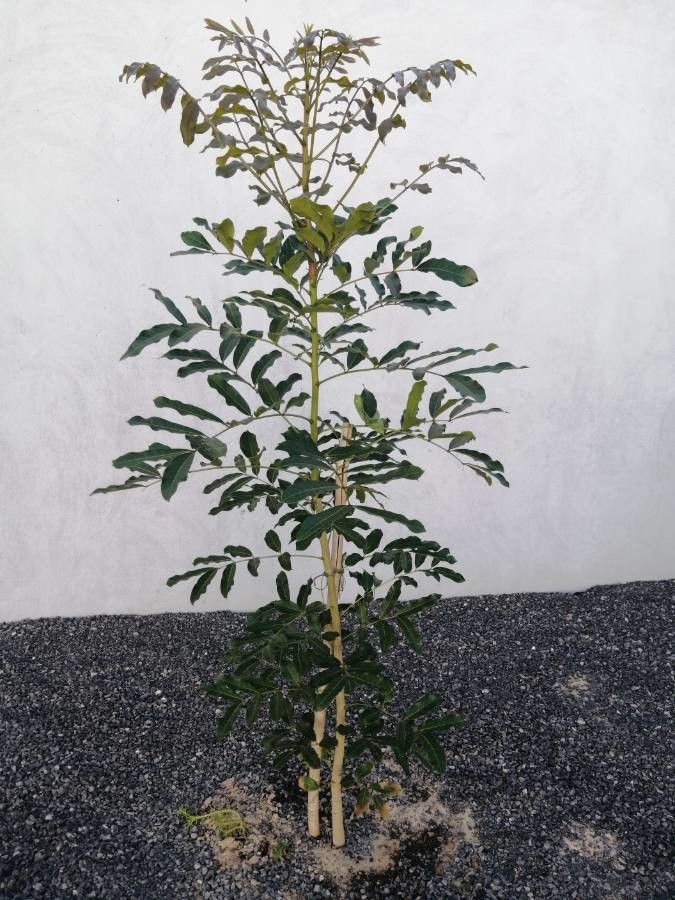
Hello, fellow plant lovers! Today, we’re diving into the wonderful world of Khaya ivorensis, often called African Mahogany. If you’re drawn to its beautiful, glossy leaves and the promise of a majestic tree, you’re in for a treat. Propagating these beauties can feel a bit like unlocking a wonderful secret, and the reward of nurturing a new life from a small piece of the parent plant is simply unmatched. Is it a breeze for total newbies? Honestly, it can be a little finicky, but with a few pointers, I promise you can do it.
When’s the Magic Moment?
For Khaya ivorensis, the late spring or early summer is absolutely your best bet. This is when the plant is in its most active growth phase, meaning any new cuttings or seeds are bursting with the energy to root and thrive. Look for stems that are still somewhat soft and flexible, not woody and hard. This is often referred to as “semi-hardwood.”
What You’ll Need for Success
Gathering your supplies beforehand makes everything so much smoother. Here’s what I always have on hand:
- Sharp Pruning Shears or a Knife: Cleanliness is key to preventing disease.
- Rooting Hormone: A little help goes a long way for tougher-to-root plants. I prefer a powder form for ease of use.
- Well-Draining Potting Mix: A 50/50 blend of perlite and peat moss or coco coir works wonders. You want to avoid soggy feet!
- Small Pots or Trays: With drainage holes, of course.
- Plastic Bags or a Propagator: To create a mini-greenhouse effect.
- Watering Can or Spray Bottle: For gentle hydration.
- Optional: Bottom Heat Mat: This can significantly speed up root development, especially in cooler environments.
Bringing Your Khaya to Life
There are a couple of ways we can get new Khaya ivorensis plants going.
Stem Cuttings
This is my go-to method for Khaya. It’s efficient and usually gives a good success rate if done at the right time.
- Take Your Cuttings: Using your sterilized pruning shears, snip 4-6 inch long pieces from healthy, actively growing stems. Make sure each cutting has at least two sets of leaves.
- Prepare the Cuttings: Gently remove the lower leaves from the bottom half of the cutting. This prevents them from rotting once planted. If the remaining leaves are very large, you can cut them in half horizontally to reduce water loss.
- Apply Rooting Hormone: Dip the cut end of the stem into your rooting hormone, tapping off any excess.
- Plant Them Up: Fill your pots with your prepared, moist potting mix. Make a small hole with a pencil or your finger and insert the cutting, ensuring the rooting hormone-coated end is firmly in the soil. Gently firm the soil around the base.
- Create a Humid Environment: Water the soil lightly. Then, cover the pot with a plastic bag or place it in a propagator, ensuring the leaves don’t touch the plastic. This traps humidity around the cutting.
- Provide Light and Warmth: Place the pots in bright, indirect light. A warm spot is crucial!
Water Propagation
While not my first choice for Khaya, it’s a simpler method and can work in a pinch.
- Select and Prepare Cuttings: Follow the same steps as above for selecting and preparing your stem cuttings.
- Place in Water: Put the cuttings in a clean jar or vase filled with fresh water.
- Crucial Rule: Make sure no leaves are submerged in the water. This is where rot often begins!
- Location: Place the jar in bright, indirect light and change the water every few days to keep it fresh.
The Gardener’s Little Secrets
Here are a few tricks I’ve learned over the years that really make a difference:
- Bottom Heat is Gold: If you can get your hands on a bottom heat mat, use it! Keeping the soil temperature consistently around 70-75°F (21-24°C) is a game-changer for root development. It mimics the warmth of spring soil and really encourages those roots to form faster.
- Don’t Mist Too Much: While humidity is good, constantly spraying the leaves can sometimes lead to fungal issues. The plastic bag or propagator is usually enough. If you do mist, do it sparingly and in the morning so leaves can dry.
- Patience with the Rooting Hormone: Don’t skimp on the rooting hormone, especially for Khaya. It really helps to kickstart the process, even if it doesn’t look like much is happening on the surface.
Aftercare and What to Watch For
Once you start seeing tiny roots emerging from the drainage holes of your pots (or your water propagation jar shows a good network of roots), it’s time to nurture your new seedling!
- Transitioning: If you propagated in water, once the roots are about an inch long, gently pot them into your well-draining mix. If you propagated in soil, continue to keep them in their humid environment until they show signs of new growth.
- Gradual Acclimation: Slowly remove the plastic bag or open the propagator vents over a week or two to let them get used to normal humidity levels.
- Watering: Water when the top inch of soil feels dry. It’s better to water thoroughly and less often than to keep the soil constantly soggy, which can lead to root rot.
Common signs of failure include wilting and yellowing leaves that don’t recover, or a mushy, dark stem base, which is a sure sign of rot. If you see this, unfortunately, that cutting is likely lost. But don’t despair! Just try again.
Keep Growing!
Propagating plants, especially something as lovely as Khaya ivorensis, is a journey. There will be successes, and there will be moments where things don’t quite go as planned. That’s all part of being a gardener! Be patient, learn from each attempt, and most importantly, savor the magic of coaxing new life from a simple cutting. Happy propagating!
Resource:
https://identify.plantnet.org/k-world-flora/species/Khaya%20ivorensis%20A.Chev./data