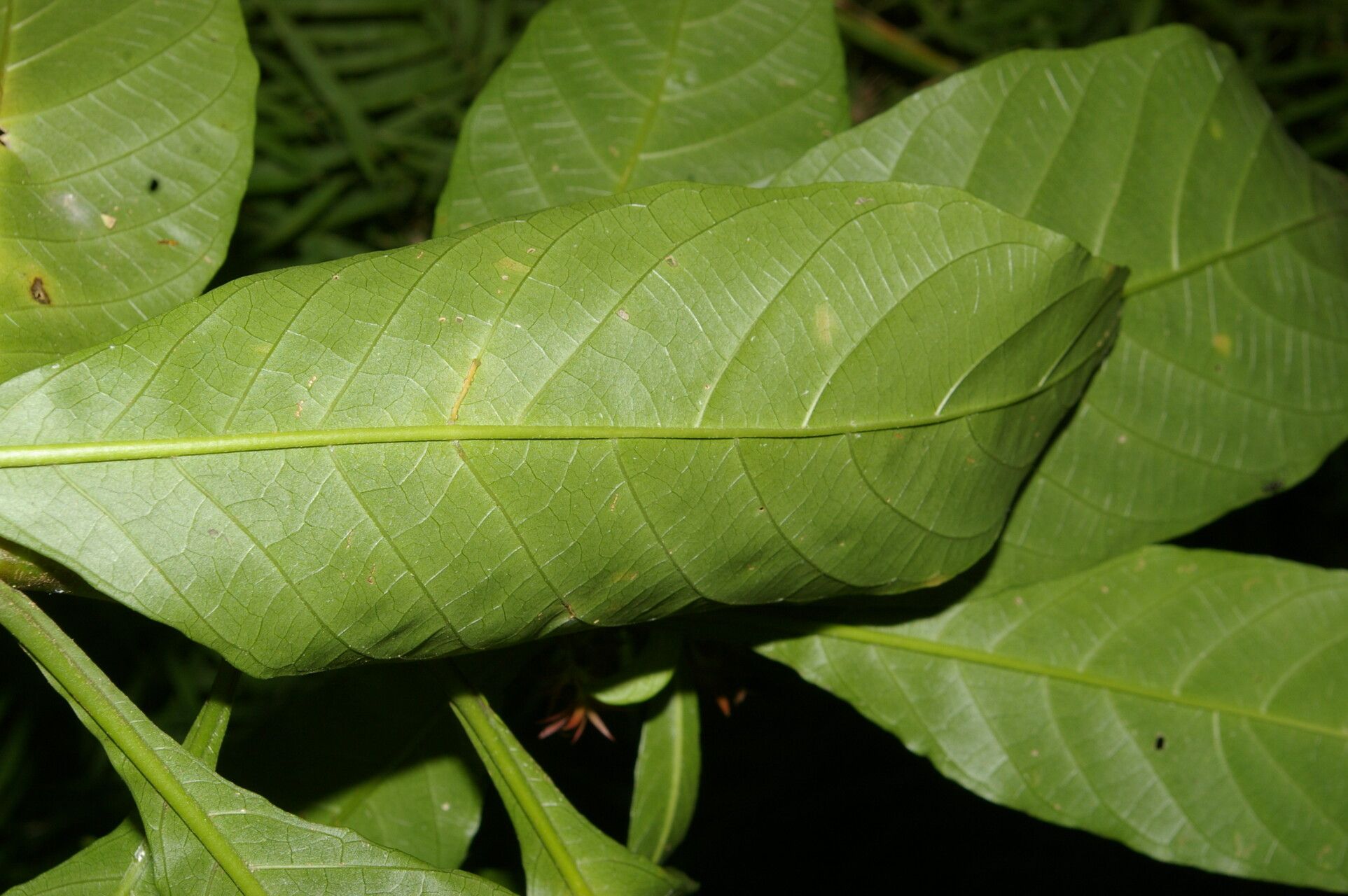
Oh, welcome, fellow garden lover! Today, we’re diving into the delightful world of Justicia arborescens, a plant that brings such vibrant color and lovely texture to our spaces. I’ve got to tell you, watching this beauty unfurl and grow from a tiny cutting is one of gardening’s pure joys. And the good news? If you’ve got a bit of patience, this isn’t an overly difficult plant to propagate. I’d say it’s quite beginner-friendly, actually!
The Best Time to Start
When it comes to getting the most bang for your propagating buck, I find late spring through early summer is typically your sweet spot. The plant is usually in a good, vigorous growth phase, and the warmer temperatures really encourage those cuttings to take root quickly. You can try it at other times, but you might find things move a little slower.
Supplies You’ll Need
Before we get our hands dirty, let’s gather our toolkit. You don’t need anything too fancy, but having the right bits and bobs makes everything go smoother:
- Sharp Pruning Shears or a Clean Knife: For making those crucial cuts. Sterilize them if you’ve used them on other plants recently.
- Rooting Hormone (Optional but Recommended): I like the powdered kind. It gives your cuttings a little boost.
- Small Pots or Seed Starting Trays: Clean and with drainage holes!
- A Good Potting Mix: I usually go for a well-draining mix. A blend of equal parts peat moss or coco coir and perlite or coarse sand works beautifully.
- Clear Plastic Bags or a Propagator: To create a humid environment.
- Watering Can or Spray Bottle: For gentle watering.
Propagation Methods
Justicia arborescens is wonderfully amenable to propagation from stem cuttings. It’s my go-to, and I think you’ll find it successful too.
-
Select Your Cuttings: Look for healthy, new growth. You want stems that are semi-hardwood – not too floppy and green, but not tough and woody either. Aim for cuttings that are about 4 to 6 inches long.
-
Make the Cut: Using your clean shears or knife, make a clean cut just below a leaf node (that little bump where a leaf attaches to the stem). This is where roots are most likely to form.
-
Prepare the Cutting: Gently remove the lower leaves from the cutting, leaving just a few at the very top. This prevents them from rotting in the soil or water. If your leaves are quite large, you can even snip them in half to reduce moisture loss.
-
Apply Rooting Hormone (if using): Dip the cut end of the stem into the rooting hormone, tapping off any excess.
-
Plant Your Cuttings:
- In Pots: Fill your pots with your prepared, moist potting mix. Make a pilot hole with your finger or a pencil, then insert the cutting, ensuring the lowest leaf nodes are below the soil surface. Gently firm the soil around the base.
- In Water: You can also place cuttings in a jar of clean water. Make sure none of the remaining leaves touch the water. Change the water every few days to keep it fresh.
-
Create a Humid Environment: This is key! Either place your potted cuttings in a clear plastic bag (propping it up with stakes so it doesn’t touch the leaves) or put them in a propagator. Seal it up, but maybe poke a few tiny holes for a little air circulation. If you are doing water propagation, a small greenhouse or a bright spot will suffice.
The “Secret Sauce” (Pro Tips)
Here are a couple of my little tricks that seem to make a difference:
- Bottom Heat is Your Friend: If you have a heating mat designed for seedlings or propagators, don’t hesitate to use it! Offering gentle bottom heat can significantly speed up root development, especially if your ambient temperatures aren’t super warm.
- Don’t Be Afraid to Trim Leaves: I mentioned it briefly, but it bears repeating. For larger-leaved varieties, doing a “leaf trim” or even cutting larger leaves in half (think snake-like cuts) can make a world of difference in preventing those leaves from wilting and pulling energy away from root formation. It reduces the surface area for transpiration.
Aftercare & Troubleshooting
Once you’ve got your cuttings tucked in, give them a gentle watering and place them in a bright, indirect light spot. Avoid direct sun, which can scorch those tender cuttings. Mist the leaves occasionally if the humidity isn’t staying high.
You’ll know your cuttings are rooting when you see new growth emerging, or if you gently tug on the cutting and feel resistance. This usually takes anywhere from 3 to 6 weeks.
The most common pitfall you might encounter is rot. If you see a cutting turning black and mushy, it’s usually down to too much moisture and not enough air circulation. If you’re potting them, ensure your soil mix is very free-draining.
A Encouraging Closing
Propagating plants is all about patience and observation. Don’t get discouraged if a few don’t make it – that’s just part of the learning curve! Enjoy the process of nurturing these little snippets of life. Soon enough, you’ll have a whole new batch of Justicia arborescens to admire and share. Happy gardening!
Resource: