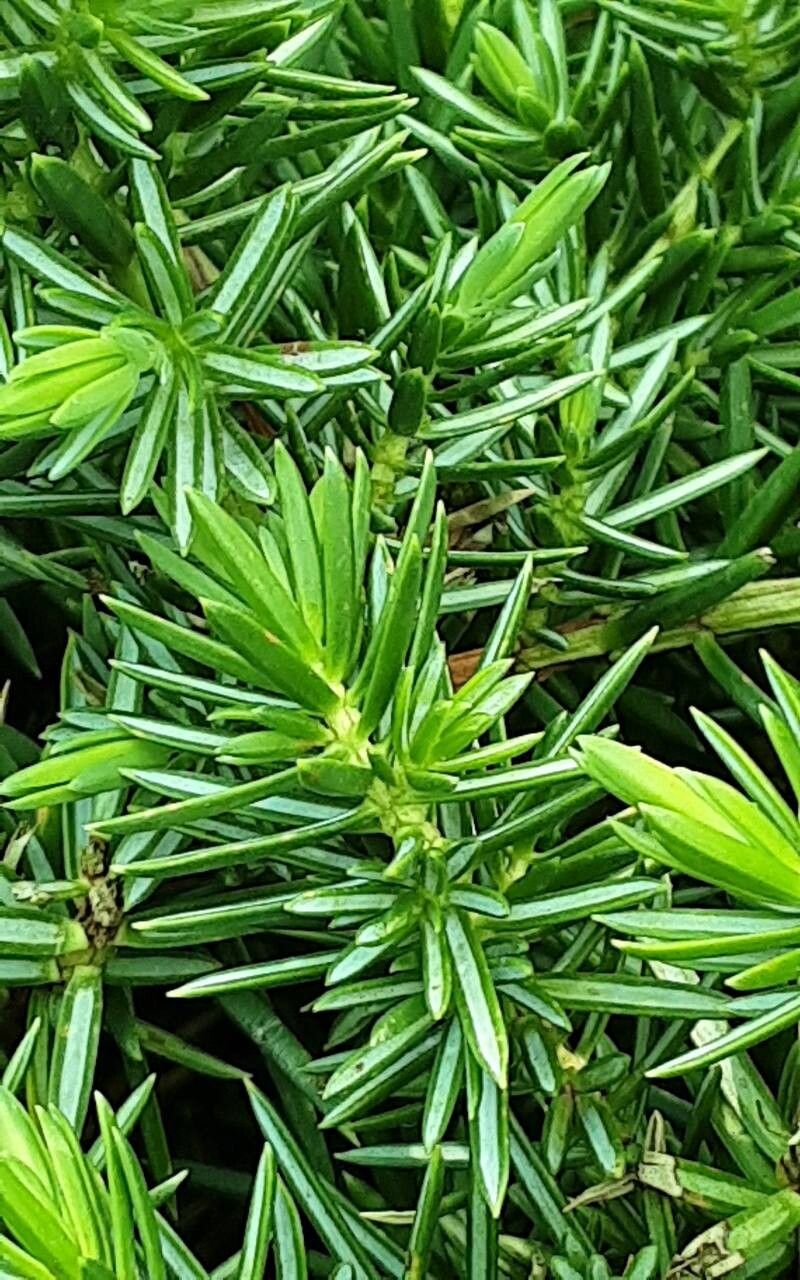
Hello, fellow garden enthusiasts! Today, we’re going to talk about a plant that has brought me so much joy over the years: Juniperus rigida, or the Needle Juniper. This resilient beauty, with its graceful, weeping branches and unique, spiky foliage, is a true statement piece in any garden. And the best part? You can easily grow more of this gorgeousness yourself! Propagating it is a wonderfully rewarding experience, giving you a deeper connection to your plants and, of course, more of them to share or enjoy. For those of you just dipping your toes into the world of plant propagation, I’d say Juniperus rigida is moderately easy – a good project to build your confidence!
The Best Time to Start
Timing is everything, and with Juniperus rigida, late spring to early summer is your golden window. This is when the plant is actively growing, and the new, soft growth (called semi-hardwood) is perfect for taking cuttings. You want to capture that vibrant energy!
Supplies You’ll Need
Before we get our hands dirty, let’s gather our tools:
- Sharp Pruning Shears or a Clean Knife: For making clean cuts.
- Rooting Hormone: This is a powdered or liquid product that helps stimulate root development.
- Well-Draining Potting Mix: A good blend for cuttings is one part peat moss to one part perlite or sharp sand. You could also use a commercial succulent or cactus mix.
- Small Pots or Seedling Trays: Clean ones are essential to prevent disease.
- Watering Can with a Fine Rose: For gentle watering.
- Plastic Bag or Propagator Lid: To create a humid environment.
- Optional: Bottom Heat Mat: This can significantly speed up rooting.
Propagation Methods
We’ll focus on the most reliable method for Juniperus rigida: stem cuttings.
- Select Your Cuttings: Head out to your Juniperus rigida and identify some healthy, non-flowering shoots. Look for semi-hardwood growth – it should bend without snapping easily but still feel somewhat firm. Aim for cuttings about 4-6 inches long.
- Make the Cut: Using your sharp pruning shears or knife, make a clean cut just below a leaf node (where a leaf joins the stem). This is where the roots will emerge.
- Prepare the Cuttings: Gently remove the lower leaves from the bottom half of the cutting. This prevents them from rotting when buried in the soil and gives you space to insert the cutting.
- Apply Rooting Hormone: Dip the cut end of each cutting into your rooting hormone, tapping off any excess. This is like giving your cutting a little boost to get started!
- Plant Your Cuttings: Fill your pots or trays with your well-draining potting mix. Make a hole in the center with your finger or a pencil, then insert the prepared cutting. Firm the soil gently around the base.
- Water Gently: Water thoroughly, ensuring the soil is moist but not waterlogged.
- Create Humidity: Cover the pots with a clear plastic bag, ensuring the leaves of the cuttings don’t touch the plastic. An old plastic bottle cut in half works well too, or if you have a propagator, use its lid. This traps moisture, creating a humid environment that helps prevent the cuttings from drying out before they can root.
- Keep Them Warm and Bright: Place your pots in a bright spot out of direct sunlight. If you have a bottom heat mat, place the pots on it – this is a game-changer for speed and success! Around 70-75°F (21-24°C) is ideal.
The “Secret Sauce” (Pro Tips)
Here are a couple of tricks I’ve learned over the years that can really make a difference:
- Don’t Drown Your Dreams: When watering, avoid letting the leaves of your cuttings sit in pooled water inside the humidity dome. This is a surefire way to invite fungal diseases. Water the soil, not the leaves, and ensure good air circulation.
- Bottom Heat is Your Best Friend: I know I mentioned it, but I can’t stress this enough. That gentle warmth from below mimics ideal spring conditions and drastically increases your rooting success rate. If you can invest in a small heat mat, do it!
- The Patience Game: Juniperus rigida can be a bit slow to root. Don’t be tempted to dig them up too soon to check for roots. They can take anywhere from 6 weeks to a few months. Resist the urge!
Aftercare & Troubleshooting
Once you see new growth appearing, that’s a good sign roots are forming! You can very gently tug on a cutting – if there’s resistance, it’s likely rooted.
- Gradual Acclimatization: Once rooted, start slowly acclimatizing your cuttings to normal room humidity. Loosen the plastic bag gradually over a week or two, then remove it completely.
- Repotting: When the new plants have a good root system and are showing steady growth, you can pot them up into slightly larger individual pots with a regular potting mix.
- Troubleshooting – The Rot Factor: The most common problem you might encounter is rot. This usually happens due to overwatering or poor drainage, creating a soggy environment where fungi thrive. If you see stems turning mushy and black, sadly, that cutting is likely lost. Adjust your watering habits and ensure excellent drainage for any remaining cuttings.
A Encouraging Closing
Propagating Juniperus rigida is a journey, and like any good garden project, it requires a little patience and a lot of love. Don’t be discouraged if not every cutting takes. Nature has its own rhythm, and every successful propagation brings a unique sense of accomplishment. So, go ahead, grab those shears, and enjoy the process of creating new life! Happy gardening!
Resource:
https://identify.plantnet.org/k-world-flora/species/Juniperus%20rigida%20Siebold%20&%20Zucc./data