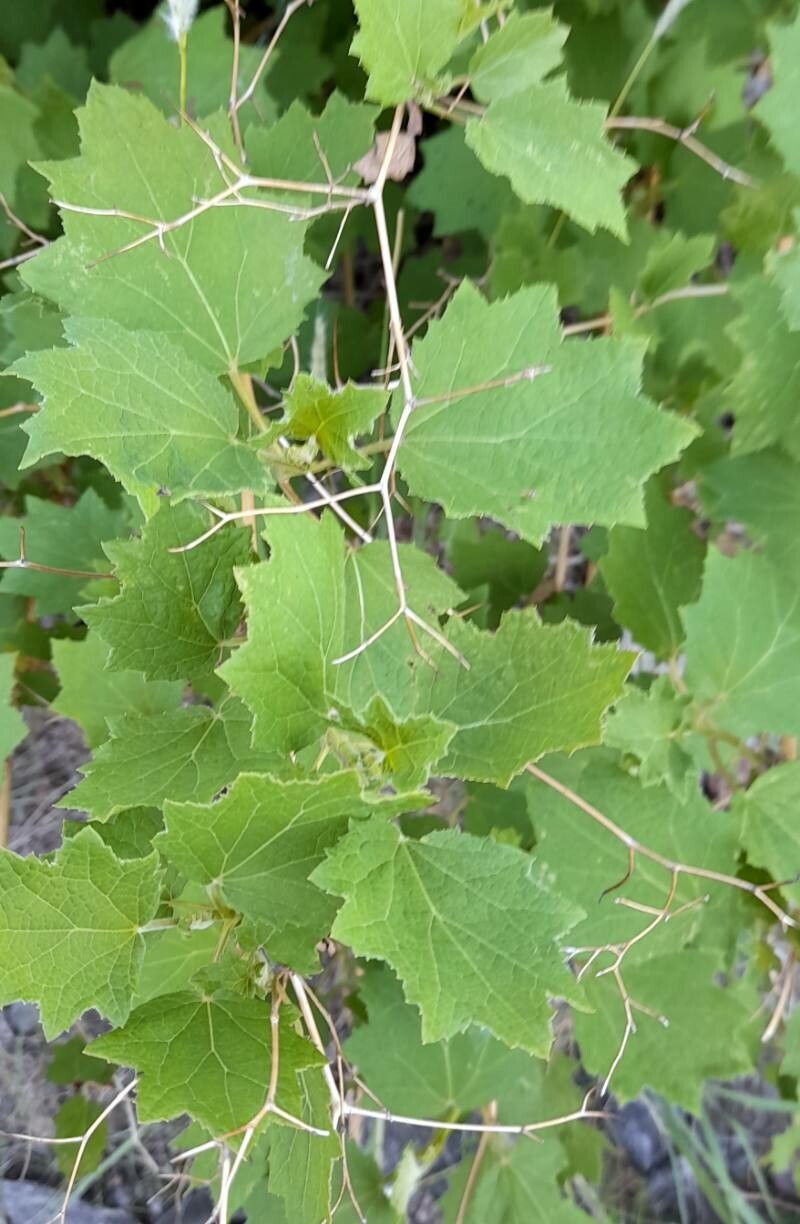
Hello fellow garden enthusiasts!
Today, we’re diving into the wonderful world of Jungia polita. If you’re a fan of its velvety, felt-like leaves and the subtle beauty it brings to a shady nook, you’re in for a treat. The good news is, propagating this gem is absolutely doable, though it might require a little more patience than your average pothos. But don’t let that deter you! Witnessing a tiny cutting unfurl its first new leaf is incredibly rewarding. I’d say for a beginner, it’s moderately challenging, but with a few key pointers, you’ll be well on your way.
The Best Time to Start
For Jungia polita, the real magic happens in late spring or early summer. This is when the plant is actively growing, pushing out new energy into its shoots. Starting your cuttings during this period means they have plenty of vigor to draw upon, leading to faster rooting and a higher success rate. Avoid trying this in the deep chill of winter.
Supplies You’ll Need
Here’s what I always have on hand for a propagation session:
- Sharp, clean pruning shears or a knife: A clean cut is crucial to prevent disease.
- A good quality potting mix for propagation: I like a peat-free mix with perlite or coarse sand for excellent drainage.
- Small pots or seedling trays: Something that fits your cuttings comfortably.
- Rooting hormone (optional but helpful): A powder or gel can give your cuttings a little boost.
- A clear plastic bag or a propagator: To create a humid environment.
- Soft water or rainwater: Plants often prefer this over tap water.
- A labels and a permanent marker: To keep track of your precious babies!
Propagation Methods: Taking Cuttings
The most reliable way to propagate Jungia polita is by stem cuttings. It’s my go-to method!
- Select a healthy stem: Look for a piece of new growth that’s firm but not woody. It should have at least two or three leaf nodes (where leaves emerge from the stem).
- Make the cut: Using your clean shears, make a clean cut just below a leaf node. This is where the roots will most likely emerge.
- Prepare the cutting: Gently remove the lower leaves, leaving just one or two at the top. This prevents them from rotting in the soil or water.
- Apply rooting hormone (if using): Dip the cut end into your rooting hormone, tapping off any excess.
- Potting up: Fill your small pot with your well-draining propagation mix. Make a small hole in the center with your finger or a pencil.
- Insert the cutting: Carefully place the cut end of the stem into the hole, ensuring at least one leaf node is buried in the soil. Gently firm the soil around the stem.
- Water gently: Water the potting mix lightly.
- Create humidity: Place the pot inside a clear plastic bag, or cover it with a propagator lid. You want to create a mini-greenhouse effect. Leave a small opening or vent to allow for some air circulation.
The “Secret Sauce” (Pro Tips)
Now for a few little tricks of the trade that I’ve picked up over the years:
- Bottom heat is your friend! If you have a seedling heat mat, placing your pots on it can dramatically speed up root development. It mimics the warmth of summer soil, which is exactly what these cuttings crave.
- Don’t overwater! This is probably the most common mistake. The soil should be consistently moist, but not soggy. Soggy soil is a fast track to rot. I like to feel the weight of the pot; if it feels light, it’s time for a gentle drink.
- Shadow it! Once your cuttings are in their humid little homes, place them in a bright spot, but out of direct sunlight. Too much sun can scorch those delicate leaves before they’ve even had a chance to establish roots.
Aftercare & Troubleshooting
Once you see signs of new growth – a tiny leaf unfurling or a little tug on the cutting when you gently pull – that’s a good indicator that roots have formed.
At this stage, you can gradually acclimate your new plant to normal conditions. Start by opening the plastic bag a little more each day, or lifting the propagator lid for longer periods. Once it’s fully acclimatized, you can treat it much like a mature Jungia polita, ensuring it has bright, indirect light and consistent moisture.
The main concern with cuttings is rot. If you notice your stem turning mushy or black, it’s likely a sign of too much moisture and not enough air circulation. If this happens, you might need to discard the cutting and try again, paying closer attention to soil moisture and ventilation. Sometimes, pests can also be an issue; keep an eye out for common houseplant pests and address them promptly.
A Little Patience Goes a Long Way
Remember, gardening is a journey, and propagation is a beautiful part of that. Be patient with your Jungia polita cuttings. Some might take off faster than others, and that’s perfectly normal. Enjoy the process, learn from each attempt, and soon you’ll have a whole collection of these stunning plants to share (or keep all to yourself!). Happy propagating!
Resource:
https://identify.plantnet.org/k-world-flora/species/Jungia%20polita%20Griseb./data