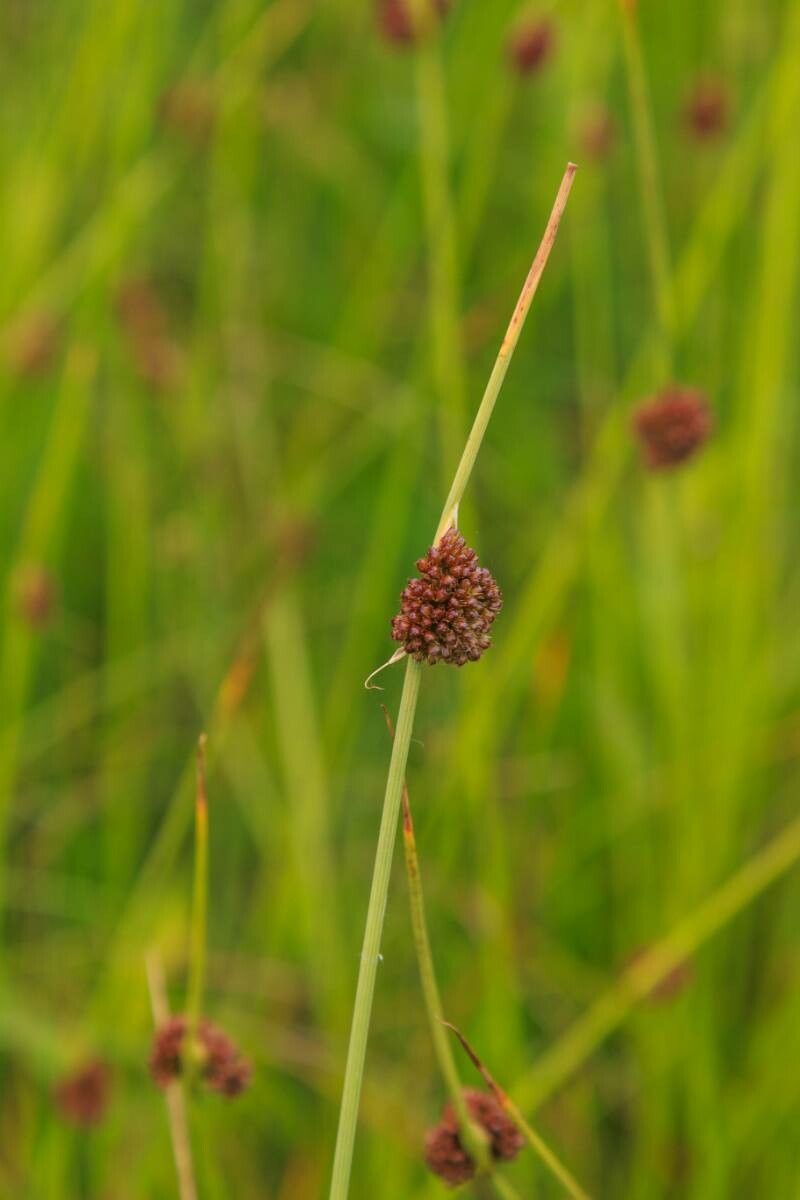
Oh, hello there! Come on in, let’s chat about Juncus conglomeratus. I’ve always had a soft spot for these wonderful plants. You know, the ones with the elegant, upright stems that just bring a touch of wild, natural beauty to any garden or even a cool indoor space. They’re such reliable performers, adding texture and movement even when the rest of the garden is a bit sleepy. And the best part? They’re surprisingly easy to multiply! If you’re new to the plant propagation game, Juncus conglomeratus is a fantastic one to start with. You’ll be hooked, I promise.
The Best Time to Start
Honestly, for Juncus, you’ve got a pretty generous window. The absolute sweetest spot is late spring or early summer, right when things are really getting into their groove. After the plant has had a chance to put on some good growth from the spring warmth, you’ll find its energy is perfect for new adventures. You can do it in early autumn, but I find the success rate is just a tad bit higher when you start with that strong, post-spring vigor.
Supplies You’ll Need
Don’t worry, it’s nothing too fancy. Just a few trusty companions for our propagation journey.
- Sharp pruning shears or a clean knife: Essential for making those nice, clean cuts.
- A well-draining potting mix: I like a blend of peat moss and perlite, or even a good quality seed starting mix. What we want is something that doesn’t hold too much moisture.
- Small pots or trays: Whatever you have on hand that’s suitable for seedlings. Old yogurt pots with drainage holes work in a pinch!
- Rooting hormone (optional but helpful): A little boost can encourage faster root development.
- Watering can with a fine rose: For gentle watering.
- Labels and a marker: So you don’t forget what you’ve planted where!
Propagation Methods: Division is Key!
For Juncus conglomeratus, the method that consistently gives me the best results is division. These plants are clump-formers, meaning they naturally grow by sending up new shoots from underground. Letting them get a little crowded is actually a good thing for propagation!
Here’s how I do it:
- Dig it Up: Gently lift the entire Juncus plant from its pot or garden bed. Try to disturb the roots as little as possible. If it’s in the ground, a garden fork is your best friend here.
- Inspect the Roots: Gently shake off some of the excess soil. You’ll see a dense clump of stems and rhizomes. Look for natural divisions within the clump. You want to find sections that have healthy roots attached.
- Make the Cut: This is where your sharp shears or knife come in. Carefully separate the main clump into smaller sections. Each section should have at least a few healthy stems and a good portion of the root ball. It’s okay if it looks a bit rough; the plant is tougher than it looks! Don’t be afraid to get in there and make a decisive cut.
- Pot Them Up: Fill your prepared pots with your well-draining mix. Make a little hole in the center of each pot and place one of your divided sections inside. Ensure the base of the stems is at soil level. Gently firm the soil around the roots.
- Water Gently: Give each newly potted division a good, gentle watering. You want the soil to be moist but not waterlogged.
The “Secret Sauce”
Now, for a couple of little tricks that I’ve picked up over the years.
- Don’t Overcrowd the Pots: While the parent plant likes to be a bit snug, give your divisions a bit of breathing room in their new homes. Overcrowding can lead to rot, and that’s the last thing we want.
- A Little Humidity Goes a Long Way: Juncus loves a bit of moisture in the air, especially when they’re trying to establish roots. I often place my newly potted divisions in a tray with a bit of water in the bottom, almost like a mini water garden for them, but I make sure the soil itself isn’t sitting in water. This creates a humid microclimate without causing soggy roots.
Aftercare & Troubleshooting
Once your Juncus divisions are potted, the main thing is to keep them consistently moist. Not soggy, mind you, but they should never dry out completely, especially in the first few weeks. Place them in a bright spot, but avoid direct, scorching sunlight, which can stress them out.
Keep an eye out for signs of trouble. The most common culprit is rot, which usually manifests as mushy, discolored stems or roots. If you see this, it’s usually because the soil is too wet or the drainage isn’t good enough. You might need to remove the affected section and repot in fresh, drier soil. If your division looks like it’s wilting and the soil is dry, it’s a clear sign it needs more water. Sometimes, a new division just needs time to adapt. Patience is your best friend here.
Keep Growing!
There you have it! Dividing Juncus conglomeratus is such a satisfying way to fill your garden beds or share these lovely plants with friends. Don’t be too hard on yourself if a few don’t make it; it’s all part of the learning process. Just keep nurturing them, and you’ll be rewarded with beautiful, healthy new Juncus plants. Happy gardening!
Resource:
https://identify.plantnet.org/k-world-flora/species/Juncus%20conglomeratus%20L./data