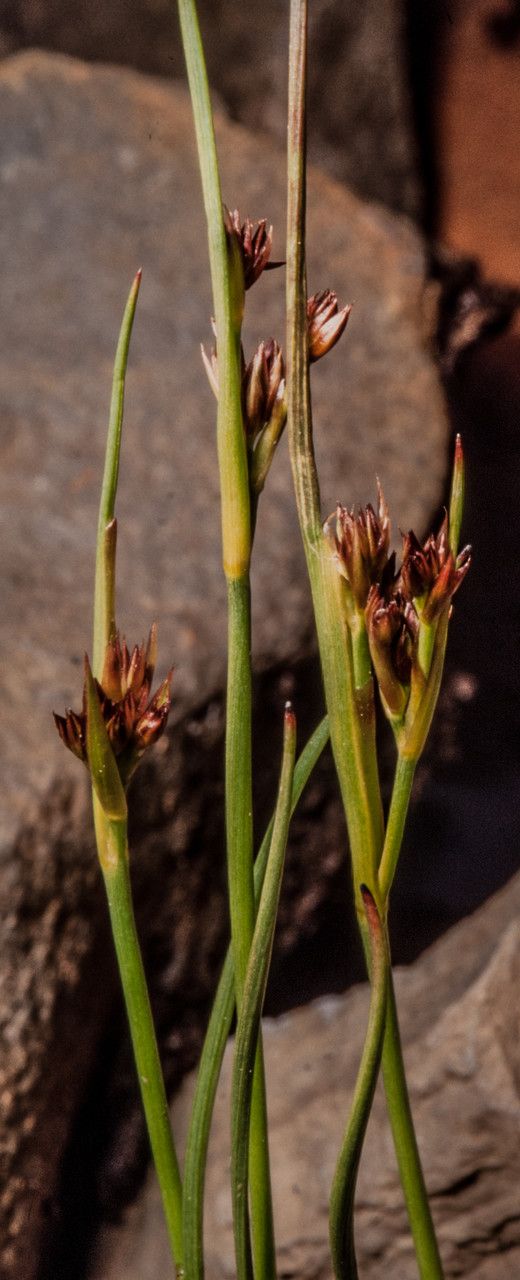
Oh, Juncus castaneus! If you’ve ever seen this delightful grass gracing a water garden or a damp corner, you’ve probably been charmed by its elegant, arching stems and subtle beauty. It’s the kind of plant that adds a touch of wild, natural grace without demanding a lot of fuss. And the most rewarding part? Being able to create more of it yourself! Propagating Juncus castaneus is a wonderful way to expand your collection or share these lovely plants with fellow garden enthusiasts. For beginners, I’d say Juncus castaneus is a pretty approachable plant to try propagating. Patience is definitely key, but the techniques themselves aren’t overly complicated.
The Best Time to Start
When should you gather your green bits? For Juncus castaneus, the late spring to early summer is your golden window. This is when the plant is actively growing and has plenty of energy stored up. Starting around May or June, after the worst of the spring chill has passed, gives your cuttings the best chance to establish themselves before the heat of mid-summer or the cool down of autumn. You’re aiming to propagate from healthy, vigorous new growth.
Supplies You’ll Need
Gathering your tools beforehand makes the whole process a breeze. Here’s what I usually have on hand:
- Clean, sharp pruning shears or a sharp knife: For making clean cuts.
- A well-draining potting mix: I often use a blend of peat moss, perlite, and a little bit of sand. For Juncus that likes moisture, I’ll adjust the mix to hold a bit more water, but still ensure good drainage to prevent rot.
- Small pots or seed trays: With drainage holes, of course!
- Rooting hormone (optional, but helpful): A powder or gel can give cuttings a nice boost.
- A watering can with a fine rose attachment: To water gently.
- Small labels or plant tags: For keeping track of what you’ve propagated.
- A plastic bag or propagation dome: To create a humid environment for cuttings.
Propagation Methods
The most effective way I find to multiply Juncus castaneus is through division. It’s really about splitting up existing clumps into smaller, manageable pieces, each with its own roots and shoots.
Division Method:
- Prepare your tools and pots: Have your clean potting mix and pots ready to go.
- Gently excavate the parent plant: Carefully dig around the base of the Juncus castaneus clump. You’re trying to lift the entire plant without damaging the roots too much.
- Clean off excess soil: Gently shake or rinse away some of the soil from the root ball. This makes it easier to see the natural divisions.
- Locate natural divisions: Look for where the clump naturally wants to break apart. You’ll often see distinct sections with their own shoot groupings and root systems.
- Separate the divisions: Using your hands, a blunt trowel, or your clean shears, gently pull or cut the clump apart. You want each new piece to have a good portion of roots and at least a few healthy shoots. Don’t be afraid to be a little firm, but avoid tearing the roots unnecessarily.
- Pot up the divisions: Plant each division into its own pot filled with your prepared potting mix. Make sure the crown of the plant (where the shoots emerge from the roots) is at soil level.
- Water well: Give the newly potted divisions a thorough watering to settle the soil around the roots.
The “Secret Sauce” (Pro Tips)
Here are a couple of things I’ve learned over the years that can really make a difference:
- Acclimate your divisions: If your parent plant has been in full sun all day, don’t immediately stick your new divisions into scorching sun. Give them a week or two in a shadier spot to adjust. They’ve been through a bit of a shock, and this helps them recover.
- Don’t overwater immediately after potting: While Juncus loves moisture, the divided pieces need a chance to start forming new roots before they can really take up a lot of water. Water them well to start, but then let the surface dry out slightly between waterings in the first week or so. This encourages root exploration rather than just sitting in soggy soil.
Aftercare & Troubleshooting
Once your divisions are potted up, keep them in a spot that gets bright, indirect light. The key is to keep the soil consistently moist – not waterlogged, but never bone dry. You’ll know they’re settling in when you see fresh green shoots emerging.
The main thing to watch out for is rot. If your new growth starts to look mushy, yellow, or brown, it’s usually a sign of too much moisture combined with poor air circulation. Ensure your pots have good drainage and try to avoid letting the leaves sit in standing water. If you see signs of rot on a leaf, gently remove it so it doesn’t spread. Don’t panic! It’s a learning process, and sometimes not every division takes.
A Encouraging Closing
Propagating plants is all about connecting with nature and the cycle of life. Don’t get discouraged if your first attempt isn’t perfect. Be patient with your little Juncus divisions; they’re working hard to establish themselves. Enjoy the satisfaction of watching them grow, and soon you’ll have more of those lovely graceful stems to adorn your garden! Happy propagating!
Resource:
https://identify.plantnet.org/k-world-flora/species/Juncus%20castaneus%20Sm./data