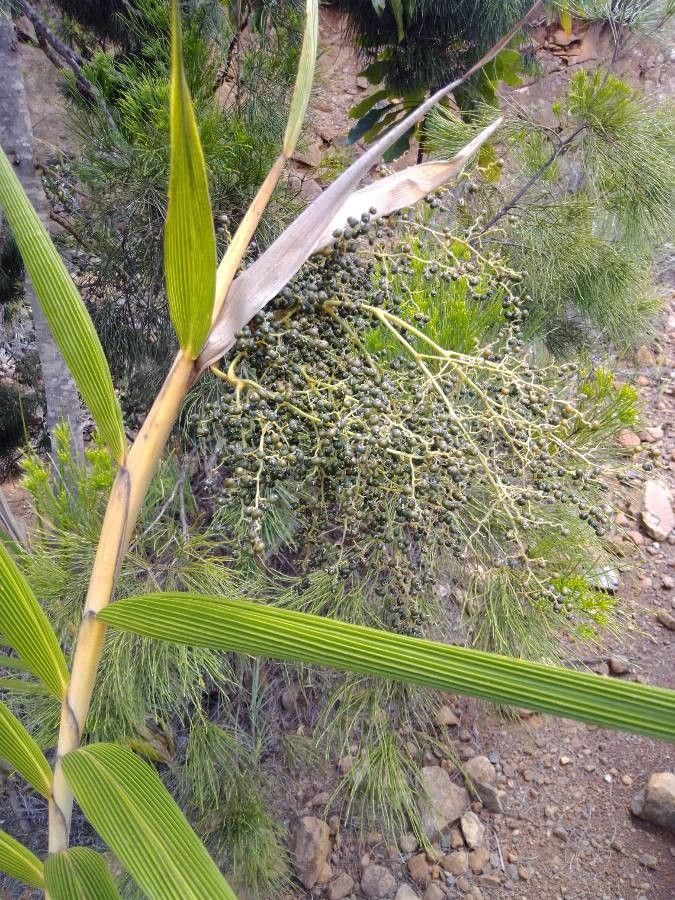
Oh, hello there! It’s so wonderful to have you join me in the garden today. I’m absolutely delighted to chat about Joinvillea plicata. If you’ve ever admired those lush, architectural sprays of foliage that seem to dance in the breeze, you’ve likely encountered this beauty. It’s a plant that brings such a sense of calm and structure to any space, and let me tell you, propagating it yourself is a wonderfully rewarding experience. It makes me feel like a plant magician!
Now, for beginners, I’d say Joinvillea plicata falls into the “moderately easy” category. It’s not as forgiving as a pothos, but with a little attention and the right approach, you’ll be creating new plants in no time. It just requires understanding its preferences a bit.
The Best Time to Start
For the highest chance of success, I always lean towards late spring or early summer. This is when the plant is in its most vigorous growth phase. The days are longer and warmer, giving those cuttings and divisions the energy they need to establish themselves quickly. We want active growth, not dormancy.
Supplies You’ll Need
Gathering your tools beforehand makes the whole process so much smoother. Here’s what I always have on hand:
- Sharp Pruning Shears or a Clean Knife: Sterilize them with rubbing alcohol before you begin to prevent the spread of diseases.
- Well-Draining Potting Mix: I prefer a blend of perlite, coir, and a bit of compost. You can also buy a good quality seed-starting mix and amend it.
- Small Pots or Trays: Clean pots are a must! For cuttings, I like 4-inch pots. For divisions, whatever size seems appropriate for the resulting clump.
- Rooting Hormone (Optional but Recommended): A powder or gel can really give your cuttings a boost. Look for one suitable for ornamental plants.
- Watering Can or Misting Bottle: Gentle watering is key.
- Plastic Bags or a Propagation Dome: To create a humid environment for cuttings.
- Labels and a Marker: So you don’t forget what you’ve planted and when!
Propagation Methods
Joinvillea plicata is wonderfully versatile, and I’ve had great luck with two main methods: stem cuttings and division.
Stem Cuttings
This is my favorite way to get more of these lovely plants!
- Select Your Stem: Look for a healthy, non-flowering stem that’s at least 4-6 inches long. You want a stem that’s firm but not woody. Gently “bend” a stem; if it snaps cleanly, it’s likely good.
- Make the Cut: Using your sterilized shears or knife, make a clean cut just below a leaf node. This is the little bump on the stem where a leaf attaches. This is where the magic happens and roots will form.
- Prepare the Cutting: Remove the lower leaves from the cutting, leaving just the top few leaves. If the leaves are very large, you can even cut them in half to reduce water loss.
- Apply Rooting Hormone (If Using): Dip the cut end of the stem into the rooting hormone, tapping off any excess.
- Plant Your Cutting: Fill your small pot with your prepared, moistened potting mix. Make a small hole with your finger or a pencil and gently insert the cutting, ensuring the node is buried in the soil. Firm the soil around the stem.
- Create Humidity: Water the pot gently. Then, cover the pot with a plastic bag (propped up with a chopstick if needed so it doesn’t touch the leaves) or place it under a propagation dome.
Division
If your Joinvillea plicata has grown into a full clump, dividing it is a fantastic way to get multiple new plants.
- Remove from Pot: Carefully slide the entire plant out of its pot.
- Inspect the Roots: Gently tease away some of the excess soil to get a good look at the root ball and how the plant is naturally divided.
- Make the Division: Using your hands or a clean trowel (or even a sharp knife for tougher divisions), carefully separate the clump into smaller sections. Each division should have a good mass of roots and at least one or two healthy shoots.
- Pot Them Up: Plant each division into its own pot filled with your well-draining potting mix. Water them gently.
The “Secret Sauce” (Pro Tips)
Here are a few little tricks I’ve learned over the years that make a big difference:
- Water Wisdom: When it comes to stem cuttings, ensure that none of the leaves are submerged in the potting mix or water. If they get soggy, they’re much more likely to rot. My trick is to use a slightly coarser potting mix for cuttings, which helps with aeration.
- The Warmth Factor: Joinvillea plicata absolutely loves a bit of gentle warmth from below. Using a propagation mat can significantly speed up root development for cuttings. It mimics the warmth of spring soil.
- Patience is Key: Don’t get discouraged if you don’t see immediate results. Some plants are slower to root than others. Resist the urge to constantly pull them up and check for roots! You might disturb delicate new growth. Trust the process.
Aftercare & Troubleshooting
Once your cuttings have rooted (you’ll see new leaf growth or feel a gentle resistance when you tug slightly), or your divisions are settled in, it’s time for a little attentive care.
- Acclimatize: Gradually remove the plastic bag from your cuttings over a week or so. Let them get used to the drier air.
- Light: Place your new plants in bright, indirect light. Avoid harsh, direct sunlight, which can scorch tender new growth.
- Watering: Water when the top inch of the soil feels dry. Again, avoid overwatering.
- Troubleshooting: The most common issue you’ll encounter is rot. This usually happens from overwatering or poor air circulation in very humid conditions. If you see mushy, black stems or leaves, it’s often a sign of rot. Sometimes you can salvage a cutting by cutting away the rotted part and trying again with fresh medium. For divisions, if a shoot looks limp and unhealthy after a couple of weeks, it might not have established well.
There you have it! Propagating Joinvillea plicata is such a joyous way to expand your collection and share the beauty of this plant with others. Remember to be patient with yourself and with your new green charges. Gardening is all about observation and learning, and I know you’ll do wonderfully. Happy propagating!
Resource: