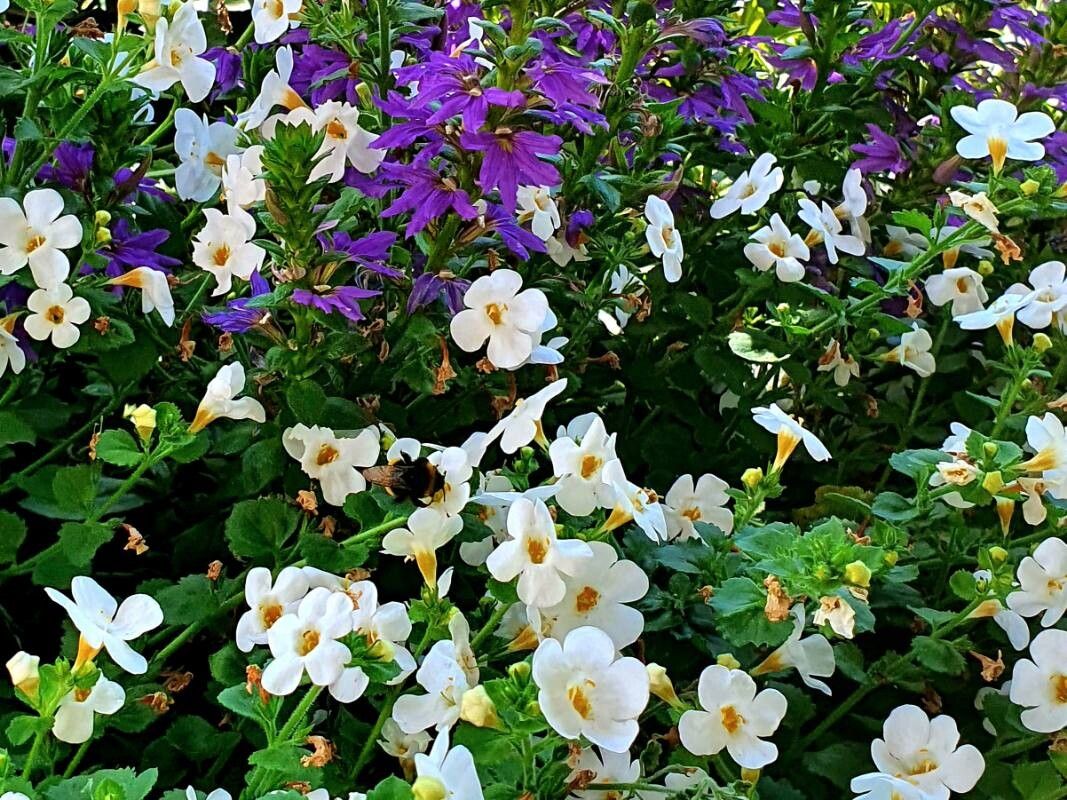
Hello, fellow plant lovers! I’m so excited to chat with you today about a truly delightful plant: Jamesbrittenia grandiflora. If you’re looking for a burst of cheerful, star-shaped blooms that seem to go on and on, this is your flower! Its vibrant colors and generous blooming habit make it a garden showstopper. And the best part? Propagating it yourself is incredibly rewarding. While it might seem a little daunting at first, I promise you, with a little care and a dash of patience, you can absolutely master it. For beginners, I’d say it’s moderately easy – definitely within reach!
The Best Time to Start
For the happiest outcomes, I always recommend starting your propagation efforts in late spring or early summer. This is when your Jamesbrittenia is usually in its prime growth phase, meaning it has plenty of energy to put into developing new roots. Waiting until after the main flush of spring bloom has passed also gives you healthy, vigorous stems to work with.
Supplies You’ll Need
Before we get our hands dirty, let’s gather our essentials. Having everything ready makes the whole process much smoother.
- Sharp Pruning Shears or Scissors: Clean cuts are happy cuts, essential for healthy root development.
- Sterile Potting Mix: A well-draining mix is key. I like to use a blend of equal parts peat moss or coir, and perlite or vermiculite. This ensures excellent aeration and prevents waterlogging.
- Small Pots or Seed Trays: Clean, shallow containers are perfect for starting your cuttings.
- Rooting Hormone (Optional but Recommended): This magic dust or gel can significantly speed up root formation.
- Plastic Bags or a Clear Dome: To create a humid environment for your cuttings.
- Watering Can with a Fine Rose: For gentle watering.
- Labels and a Marker: To keep track of your different varieties or dates.
- Small Trowel or Dibber: For making planting holes.
Propagation Methods
Jamesbrittenia grandiflora is wonderfully adaptable, and I find stem cuttings to be the most reliable and straightforward method.
Stem Cuttings
- Make Your Selection: Head out to your Jamesbrittenia plant and look for healthy, non-flowering stems. Aim for stems that are about 3-4 inches long. Avoid anything that’s woody or has flower buds.
- Take the Cutting: Using your clean pruning shears, make a clean cut just below a leaf node. A leaf node is where a leaf attaches to the stem; this is where roots will most readily form.
- Prepare the Cutting: Gently remove the lower leaves from the cutting, leaving just the top two or three. If any of the remaining leaves are very large, you can snip them in half to reduce water loss through transpiration.
- Apply Rooting Hormone (If Using): Dip the cut end of your prepared stem into the rooting hormone powder or gel, tapping off any excess.
- Plant Your Cuttings: Fill your small pots or trays with your prepared potting mix. Use your dibber or a pencil to make a hole in the soil, then gently insert the cutting, making sure the leaf nodes are buried. Firm the soil gently around the stem.
- Create a Humid Environment: Water the soil lightly until it’s evenly moist, but not soggy. Then, cover the pots with a plastic bag (propped up with stakes or skewers so it doesn’t touch the leaves) or place them under a clear plastic dome. This traps moisture and mimics the humid conditions cuttings need.
Water Propagation (A Fun Alternative!)
While I prefer soil for Jamesbrittenia, you can certainly try water propagation if you’re curious!
- Follow steps 1-3 from the stem cuttings method.
- Place the cuttings in a jar or glass of clean water, ensuring the leaf nodes are submerged.
- Crucially, make sure no leaves will sit in the water. This is a fast track to rot!
- Place the jar in a bright spot out of direct sunlight. Change the water every few days to keep it fresh. You should see roots forming in a couple of weeks. Once they are about an inch long, you can carefully transplant them into potting soil, following step 5 from the soil method.
The “Secret Sauce” (Pro Tips)
Here are a few little tricks that have always helped me get the best results:
- Bottom Heat is Your Friend: If you have an old heating mat from seed starting, placing your pots on it can work wonders. This gentle warmth encourages root growth from below, giving your cuttings a significant boost. Just make sure to monitor moisture levels closely, as heat can dry out the soil faster.
- Don’t Rush the Transplant: Once you see roots emerging from the drainage holes, wait a little longer! Let the cutting develop a robust root system before you try to pot it up into a larger container. This reduces transplant shock and ensures your new plant has a strong start.
- Wipe Those Tears Away: If you notice condensation building up heavily on the inside of your plastic bag or dome, give it a gentle wipe with a clean cloth. Too much moisture can encourage fungal diseases, so a little ventilation now and then is a good thing.
Aftercare & Troubleshooting
Once your cuttings have started to form a decent root system – you’ll know it because they’ll resist a gentle tug – it’s time for their next step. Carefully pot them up into slightly larger pots using your well-draining potting mix. Continue to keep them in a bright location but out of harsh direct sun for the first week or two. Water them when the top inch of soil feels dry.
Now, what if things go wrong? The most common issue you’ll encounter is rot. If a cutting turns black and mushy, it’s likely too much moisture and not enough airflow. Unfortunately, rotten cuttings are usually beyond saving, so remove them promptly. Yellowing leaves on an otherwise firm stem can sometimes indicate it hasn’t rooted yet and is using up its stored energy. Don’t give up too quickly; sometimes these just need more time. Keep an eye out for new leaf growth – that’s the surest sign of success!
A Little Patience Goes a Long Way
Propagating plants is a journey, and with Jamesbrittenia grandiflora, it’s a beautiful one to embark on. Don’t get discouraged if your first attempt isn’t perfect. Each cutting you take is a chance to learn, adapt, and grow alongside your plants. Be patient, observe them, and most importantly, enjoy the magic of bringing new life into your garden. Happy propagating!
Resource: