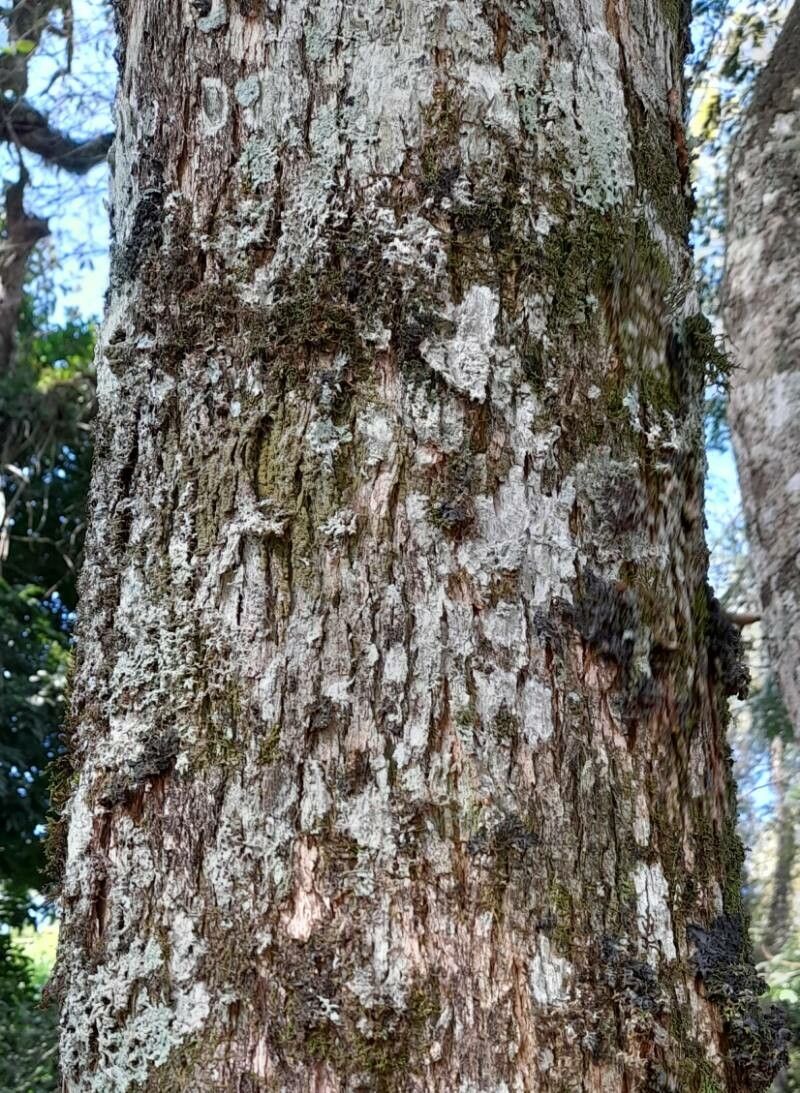
Oh, Jacaranda! That glorious burst of lavender-blue blooms is truly something to behold. If you’ve ever found yourself swooning under its enchanting canopy, you’ve probably wondered, “Could I have one of these in my own garden?” The good news is, yes, you absolutely can! Propagating a Jacaranda cuspidifolia is a deeply satisfying endeavor. It’s like coaxing a little piece of that magic into your hands. While it’s not perhaps the absolute easiest plant for a complete beginner, with a little patience and care, you’ll be well on your way to success.
The Best Time to Start
For most woody plants like our Jacaranda, the sweet spot for propagation is when they’re actively growing but not stressed. Think late spring or early summer. The plant is full of vigor, and the cutting has a better chance of quickly developing roots. Avoid taking cuttings during extreme heat waves or when the plant is dormant in winter.
Supplies You’ll Need
Before we get our hands dirty, let’s gather our arsenal:
- Sharp Pruning Shears or a Knife: For clean cuts that heal well.
- Rooting Hormone: A powdered or liquid solution to give your cuttings a head start.
- Well-Draining Potting Mix: A mix of perlite, peat moss, and a bit of compost works wonders. Avoid heavy garden soil!
- Small Pots or Trays: Clean containers with drainage holes are essential.
- Clear Plastic Bag or Dome: To create a humid microclimate.
- Water: For a quick dip before the rooting hormone.
- Small Pebbles or Perlite: To improve drainage in the potting mix.
Propagation Methods
Let’s dive into how we can coax new life from our Jacaranda:
Stem Cuttings (My Favorite!)
This is generally the most successful method for getting a new Jacaranda going.
- Select Your Cuttings: Look for healthy, new growth that is semi-hardwood. This means it’s not brand-new, floppy green growth, but also not old, woody growth. The stem should bend slightly without snapping. Aim for cuttings about 6-8 inches long.
- Make the Cut: Using your clean shears, make a cut just below a leaf node. This is where roots are most likely to form. Discard the very tip of the cutting.
- Prepare the Cutting: Gently remove the lower leaves, leaving only a few at the top. This prevents them from rotting in the soil. If the leaves are particularly large, you can even cut them in half.
- Apply Rooting Hormone: Dip the cut end of the stem into water, then into the rooting hormone, tapping off any excess.
- Plant Your Cuttings: Make a hole in your prepared potting mix with a pencil or your finger. Insert the cutting about an inch or two deep, firming the soil gently around it.
- Water Gently: Give the soil a good, but gentle, watering.
- Create Humidity: Cover the pot with a clear plastic bag or a propagator lid. Make sure the leaves don’t touch the plastic. You can use stakes to keep the bag off the foliage.
Water Propagation (For the Patient Observer)
While not always as successful for woody plants as soil propagation, water can give you a visual cue.
- Take Your Cuttings: Follow steps 1-3 from the stem cutting method.
- Place in Water: Simply place the prepared cuttings in a jar or vase of clean water.
- Monitor: Change the water every few days to keep it fresh. Roots should eventually emerge. However, roots grown in water can sometimes be more fragile and harder to transition to soil.
The “Secret Sauce” (Pro Tips)
Here are a few little tricks I’ve picked up over the years:
- Bottom Heat is Your Friend: Placing your pots on a gentle heat mat can significantly speed up root development. It mimics the warmth of the soil in summer and really encourages those roots to get going.
- The Cleanliness Factor: Always, always sterilize your tools before taking cuttings. A quick wipe with rubbing alcohol can prevent the transfer of diseases to your delicate new plants.
- Don’t Rush It: I know it’s tempting, but don’t pull out your cuttings too soon to check for roots. You’ll damage them! Wait at least 4-6 weeks, and you should feel a gentle tug when they’re ready.
Aftercare & Troubleshooting
Once you see signs of new leaf growth, that’s a great indicator that roots are forming!
- Gradual Acclimation: If you used a plastic bag, gradually start airing out the cuttings over a week or two. This helps them adjust to normal humidity levels before you remove the cover entirely.
- Keep Them Moist: Continue to keep the soil consistently moist but not waterlogged. Overwatering is a common cause of failure.
- Signs of Trouble: The most common issue is rot. If the cutting turns black and mushy, it’s likely rotted. This usually means too much moisture and not enough air circulation. Another sign is wilting that doesn’t perk up after watering, indicating no roots.
A Little Bit of Patience Goes a Long Way
Propagating your own Jacaranda is a journey, and like all good things, it takes time. Don’t get discouraged if your first attempt isn’t a roaring success. Learn from it, try again, and most importantly, enjoy the process of nurturing new life. Happy gardening!
Resource:
https://identify.plantnet.org/k-world-flora/species/Jacaranda%20cuspidifolia%20Mart./data