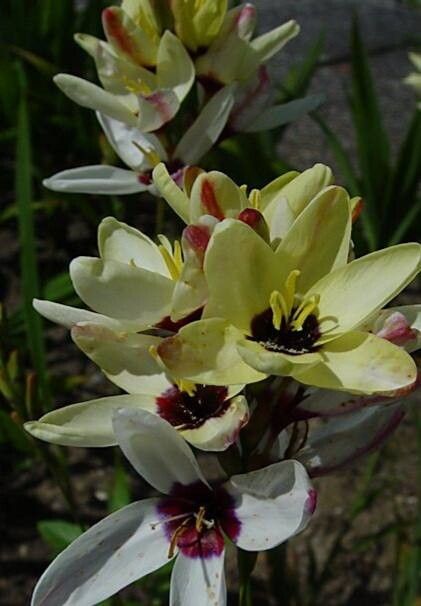
Oh, Ixia maculata! If you’re looking for a burst of sunshine in your garden, these delicate beauties are an absolute delight. Their star-shaped flowers, often in shades of vibrant yellow, orange, or cream, with those characteristic dark markings, are just captivating. Propagating them yourself is a wonderful way to multiply that joy and share these gems with fellow gardeners. While not as straightforward as, say, a begonia cutting, Ixia maculata is definitely achievable for the eager beginner. It just requires a little patience and understanding of their needs.
The Best Time to Start
For Ixia maculata, the ideal time to propagate is during their dormant period. This is usually in late summer or early autumn, after they’ve finished flowering and their foliage has begun to die back. This is when they’re storing energy in their corms, making them robust and ready for a new start. Trying to propagate them when they’re actively growing can stress the parent plant and lead to lower success rates.
Supplies You’ll Need
To get your Ixia maculata divisions or cormlets underway, gather these essentials:
- Well-draining potting mix: A blend of equal parts peat moss, perlite, and sharp sand works beautifully. Or, you can use a good quality seed-starting mix enriched with perlite.
- Trowel or small spade: For gently separating the corms.
- Clean, sharp pruning shears or a knife: To cut any lingering roots or foliage, if necessary.
- Watering can with a fine rose: For gentle watering.
- Small pots or trays: With drainage holes, of course!
- Labels and a permanent marker: To keep track of what you’ve planted and when.
- (Optional) Rooting hormone powder: While not strictly necessary for Ixia corms, some growers find it boosts success.
Propagation Methods
The most successful way to propagate Ixia maculata is through division of their corms. As the parent plant matures, it produces little offsets, called cormlets, around the base of the main corm. It’s like a generous mama plant offering up new babies!
Here’s how to do it:
- Gently excavate: When the foliage has completely died back (it will be dry and papery), carefully dig up the clumps of Ixia maculata. Use your trowel to loosen the soil around them, trying to avoid damaging the underground corms.
- Discard spent foliage: Gently pull away any dry, dead leaves.
- Inspect and separate: You’ll see the main corm and hopefully a cluster of smaller cormlets attached. Gently tease apart the cormlets from the parent corm. If they’re stubborn, use your clean knife to carefully slice them away. Make sure each cormlet has a small piece of the parent corm or at least a discernible basal plate where roots will emerge.
- Trim if needed: If any cormlets are damaged, trim away the bruised parts with your clean shears.
- Plant them up: Fill your small pots or trays with your well-draining potting mix. Plant each cormlet about 2-3 inches deep, pointed end up (if you can discern it). Space them a couple of inches apart if planting in trays.
- Water sparingly: Give them a light watering to settle the soil. Don’t drench them; we want them to stay a little dry to prevent rot.
The “Secret Sauce” (Pro Tips)
Now, for a couple of tricks up my sleeve that can really make a difference:
- The “Dry Rest” is Crucial: Before planting your separated cormlets, it’s a great idea to let them sit in a dry, airy spot for a week or two. This allows any small cuts or bruises to heal and reduces the risk of fungal infections once they’re in the soil.
- Bottom Heat for Busy Roots: If you have a propagator with a bottom heat element, tuck those pots onto it! IXIAS love a bit of warmth to encourage root development. Aim for a consistent temperature around 60-70°F (15-21°C). It really speeds things up.
- Don’t Rush the Sprout: I know it’s tempting to poke and prod, but resist! These little guys are working underground. Be patient and allow them time to establish before you see any
Resource:
https://identify.plantnet.org/k-world-flora/species/Ixia%20maculata%20L./data