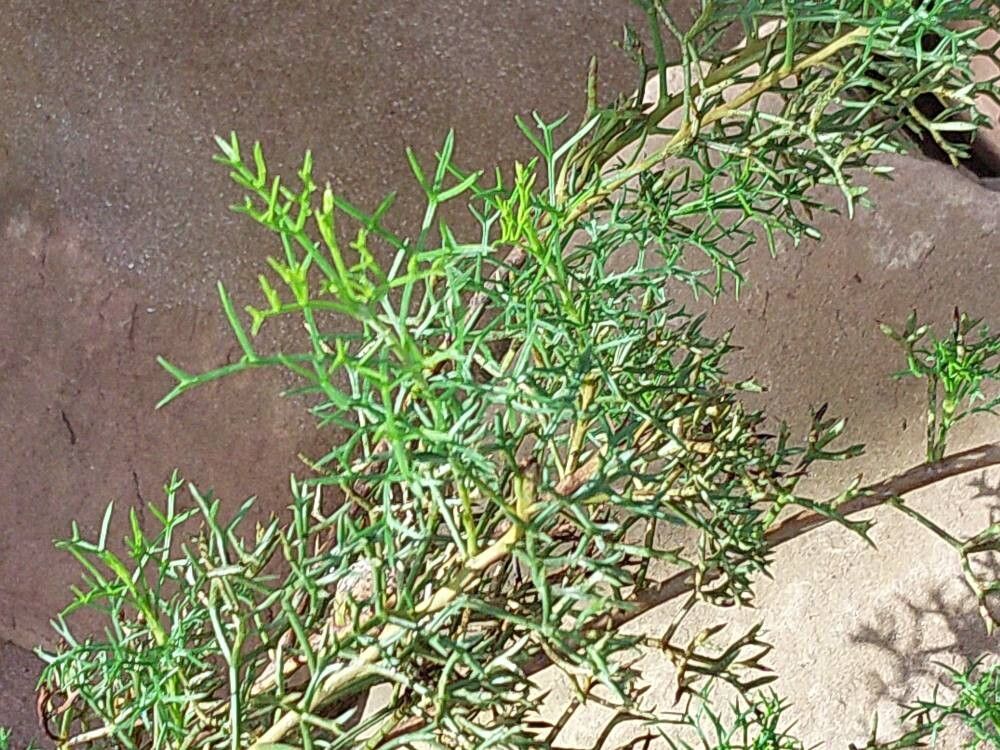
Oh, hello there, fellow plant enthusiast! I’m so glad you’ve stopped by. Today, we’re diving into the wonderful world of propagating Isopogon formosus, also known as the Rose Cone Flower. If you’ve ever seen these beauties with their stunning, intricate pink or red flower heads, you know exactly why they’re such a delight in the garden. Imagine creating more of these marvels yourself! It’s a truly rewarding journey. Now, being honest, Isopogon formosus can be a tad more challenging than, say, a pothos when you’re just starting out with propagation. But don’t let that deter you! With a little patience and these tips, you’ll be well on your way.
The Best Time to Start
For us in the Southern Hemisphere, the prime time to take cuttings is generally in late spring or early summer, after the main flowering flush has passed. This is when the plant is actively growing, but the stems are starting to mature just enough to be good for cuttings. Aim for those semi-hardwood stems – they have a bit of flexibility but aren’t completely soft and green or old and woody. Think of it as the “just right” stage.
Supplies You’ll Need
Gathering your tools beforehand makes the whole process so much smoother:
- Sharp, clean pruning shears or a sharp knife: Essential for making clean cuts.
- Rooting hormone powder or gel: This helps encourage root development. Look for one formulated for woody cuttings.
- Well-draining potting mix: A good blend would be about 50% perlite or coarse sand and 50% peat moss or coco coir. You want things to dry out nicely.
- Small pots or seed trays: About 4-6 inches in size is perfect for a few cuttings.
- Clear plastic bags or a propagator with a lid: To create a humid microclimate.
- Labels and a permanent marker: Don’t forget to label what you’ve planted!
- A watering can with a fine rose: To water gently.
- Optional: Heat mat: This can provide gentle bottom heat, which often speeds up rooting.
Propagation Methods
Let’s get our hands dirty with the most reliable method for Isopogon formosus: stem cuttings.
-
Take Your Cuttings: Head out to your plant in the chosen season. Select healthy, non-flowering stems that are about the thickness of a pencil and around 4-6 inches long. Use your clean shears to make a cut just below a leaf node (where a leaf attaches to the stem). Remove any lower leaves, leaving just the top few. If there are any flower buds, remove them too.
-
Prepare the Cuttings: Dip the cut end of each stem into your rooting hormone. Tap off any excess.
-
Plant Your Cuttings: Fill your pots or trays with the prepared potting mix. Make a small hole in the center with your finger or a pencil. Insert the prepared cutting into the hole, ensuring the nodes where you removed the leaves are below the soil surface. Gently firm the soil around the base of the cutting.
-
Create a Humid Environment: Water the potting mix gently but thoroughly until water runs out of the drainage holes. Now, cover the pots with a clear plastic bag or place them in your propagator. Make sure the leaves aren’t touching the plastic if you’re using a bag – you can prop it up with a few small stakes.
-
Provide the Right Conditions: Place your pots in a spot that receives bright, indirect light. Avoid direct, hot sun, as this can scorch the delicate cuttings. If you have a heat mat, place the pots on it. Maintaining a consistent temperature (around 20-25°C or 70-75°F) is beneficial.
The “Secret Sauce” (Pro Tips)
Here are a few things I’ve learned over the years that really make a difference:
- Don’t Drown Them: While humidity is crucial, avoid waterlogged soil at all costs. Overwatering is the quickest way to rot your cuttings. Let the surface of the potting mix dry out slightly between waterings.
- Bottom Heat is Your Friend: If you can spare it, a gentle bottom heat from a seedling mat dramatically speeds up root formation. It mimics the warmth of spring soil and gives those roots a real boost.
- Patience is Key: Isopogon formosus can be a bit of a slow starter when it comes to rooting. Don’t be tempted to pull them out too soon. Sometimes it takes several months for roots to develop sufficiently.
Aftercare & Troubleshooting
Once you start seeing new growth – tiny leaves or shoots appearing – that’s a good sign! This usually means roots are forming. To check for roots without disturbing the cutting too much, you can gently tug on it. If there’s resistance, you likely have roots.
Gradually acclimatize your rooted cuttings to the outside air by opening the propagator or temporarily removing the plastic bag for increasing periods each day over a week or two. Water them as you would a young plant, keeping the soil consistently moist but not soggy.
The most common issue you’ll encounter is rot. If your cutting turns mushy, black, or simply wilts and doesn’t recover, it’s likely succumb to rot. This is usually due to too much moisture and insufficient air circulation. If you see any signs of rot, sadly, it’s best to discard that cutting to prevent it from spreading.
A Encouraging Closing
Propagating your own Isopogon formosus is a journey, not a race. There will be successes, and there might be a few failures along the way. But each little seedling you nurture into a plant brings such immense satisfaction. So, grab your secateurs, get your hands in the soil, and enjoy the magic of creating more of these incredible plants. Happy propagating!
Resource:
https://identify.plantnet.org/k-world-flora/species/Isopogon%20formosus%20R.Br./data