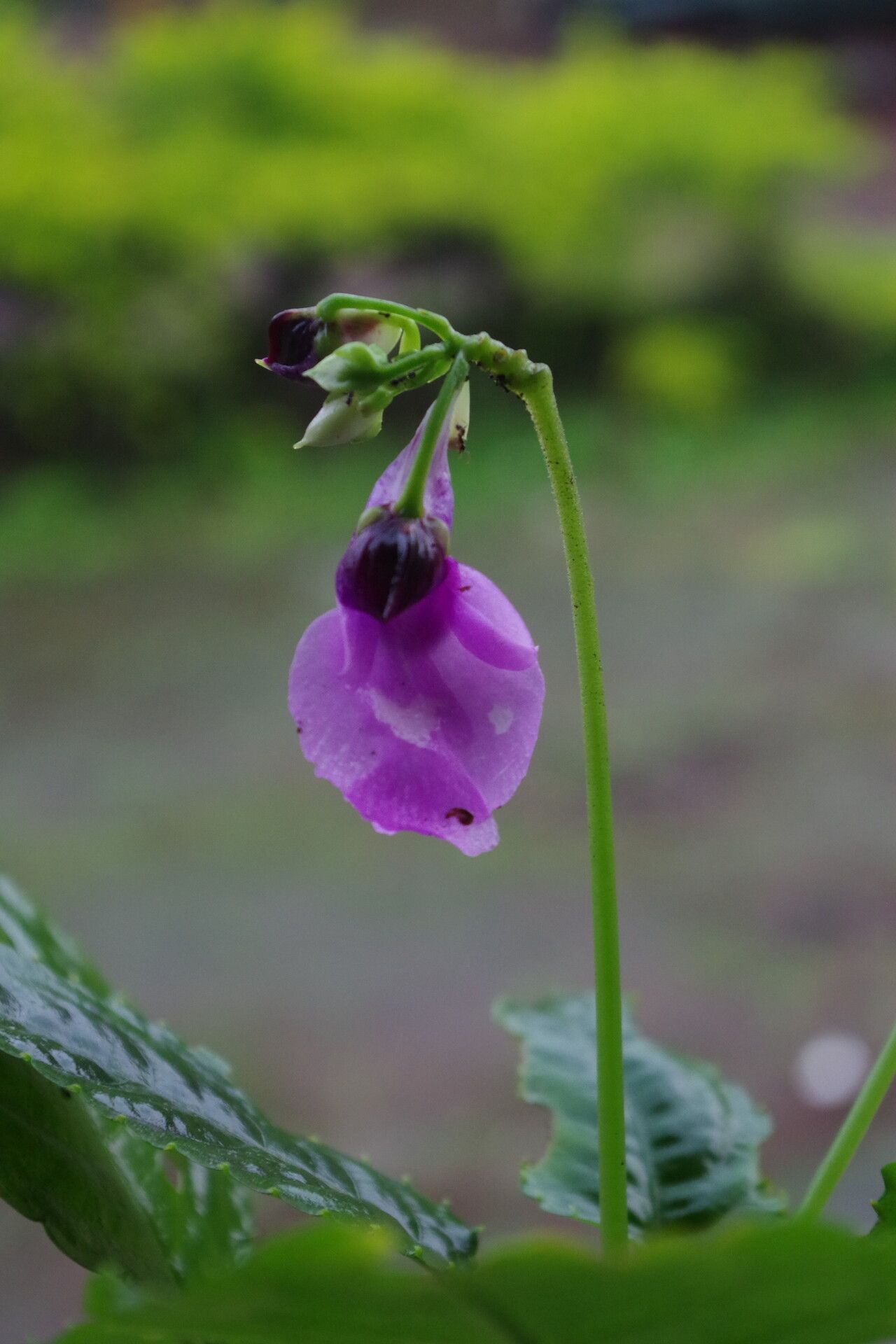
Hello fellow plant lovers! Today, we’re diving into the wonderful world of propagating Impatiens macroptera. If you’ve ever been charmed by its delicate blooms and lush foliage, you’re in for a treat. Growing more of these beauties from an existing plant is a truly satisfying experience, kind of like a little gardening magic in your hands.
Why Propagate Impatiens macroptera?
Honestly, who doesn’t love more flowers? Propagating lets you expand your garden, share with friends, or simply have backups for those inevitable oops moments. Impatiens macroptera is a beautiful specimen, and extending its presence in your life is a joy. For beginners, I’d say propagating this particular impatiens is moderately easy. It’s not quite as foolproof as some other plants, but with a little attention, you’ll be successful.
The Best Time to Start
The absolute sweet spot for propagating Impatiens macroptera is during its active growing season. Think late spring through summer. This is when the plant is full of energy and ready to produce new growth. Starting from cuttings gathered in the warmer months will give them the best shot at developing strong roots before the cooler weather sets in.
Supplies You’ll Need
To give your new impatiens the best start, gather these essentials:
- Sharp pruning shears or a clean knife: For making clean cuts.
- Rooting hormone (optional but recommended): Helps speed up root development.
- Potting mix: A well-draining mix is crucial. I like to use a blend of peat moss, perlite, and a bit of compost. You can even find pre-made seed starting or cutting mixes.
- Small pots or trays: With drainage holes, of course!
- Watering can or spray bottle: For gentle watering.
- Clear plastic bag or propagation dome: To maintain humidity.
Propagation Methods
My go-to method for Impatiens macroptera is stem cuttings. It’s reliable and usually yields great results.
-
Take Your Cuttings: On a healthy, actively growing plant, select a stem that’s about 4-6 inches long. Look for stems that have fresh, vibrant leaves but aren’t flowering heavily, as the plant energy is best directed towards rooting. Using clean pruning shears or a sharp knife, make a cut just below a leaf node. A leaf node is where a leaf attaches to the stem; this is where roots will emerge. Remove the lower leaves, leaving just a few at the top.
-
Prepare for Rooting: If you’re using rooting hormone, dip the cut end of the stem into the powder, tapping off any excess. This step isn’t strictly necessary, but it does give your cuttings a boost.
-
Plant Your Cuttings: Fill your small pots or trays with your prepared potting mix. Make a small hole in the center of the mix with your finger or a pencil. Gently insert the cut end of the impatiens cutting into the hole, making sure the leaf nodes you stripped are covered by the soil. Firm the soil gently around the stem.
-
Create the Humid Environment: Water the soil thoroughly but gently. Then, cover the pots with a clear plastic bag or a propagation dome. This creates a humid microclimate that prevents the cuttings from drying out before they can develop roots. You can secure the bag with a rubber band around the pot.
The “Secret Sauce” (Pro Tips)
Here are a few tricks I’ve learned over the years that can make a big difference:
- Don’t Let the Leaves Touch the Water (if doing water propagation): If you opt to start your cuttings in water, make sure no leaves are submerged. Submerged leaves will rot and can take the whole cutting down with them. Only the stem should be in the water.
- Bottom Heat is Your Friend: Placing your pots on a gentle heat mat designed for seedlings and cuttings can significantly speed up root formation. Impatiens love warmth, and bottom heat really encourages them to get going.
- Morning Sun, Afternoon Shade: Once planted, keep your cuttings in a bright spot that receives indirect light. Direct sun, especially in the afternoon, can scorch those tender new leaves.
Aftercare & Troubleshooting
Once your cuttings are rooted (you’ll see new leaves forming and feel some resistance when you gently tug on the stem), it’s time to adjust their care.
- Transitioning: Gradually remove the plastic bag or dome over a few days to help the new plants acclimatize to your home’s humidity.
- Watering: Continue to keep the soil consistently moist but not soggy. Overwatering is the quickest way to invite trouble.
- Light: As they grow stronger, you can transition them to a spot with a bit more light, but still avoid harsh direct sun.
The most common issue you might encounter is rot. If you see stems turning mushy or black, it’s usually a sign of too much moisture and not enough airflow. If this happens, you may need to start over, ensuring better drainage and perhaps less frequent watering in the future.
Happy Growing!
Propagating Impatiens macroptera is a rewarding journey. Be patient with your little green babies. It takes time for roots to develop, and sometimes they can be a bit shy. Enjoy the process, watch for those first signs of new growth, and soon you’ll have a whole new collection of these lovely flowers to brighten your garden. Happy planting!
Resource:
https://identify.plantnet.org/k-world-flora/species/Impatiens%20macroptera%20Hook.f./data