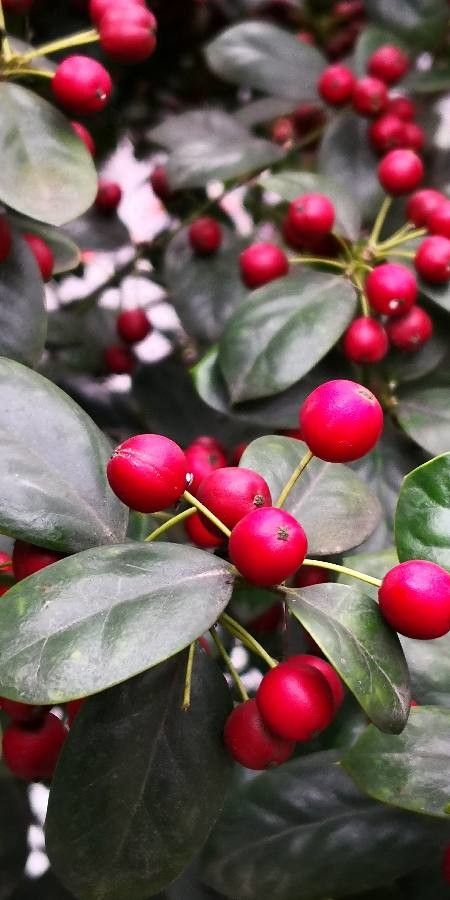
Hello fellow plant lovers! I’m so excited to chat with you today about a truly special plant: Ilex hylonoma, also known as the Chinese Holly. If you love the classic look of holly but want something a bit more refined, Ilex hylonoma is your go-to. Its glossy, dark green leaves and elegantly arching branches bring a touch of sophistication to any garden. And the best part? It’s incredibly rewarding to grow your own from scratch.
Before we dive in, let me give you a heads-up: propagating Ilex hylonoma can be a rewarding project, but it’s not always the easiest for absolute beginners. It requires a bit of patience and attention to detail. But don’t let that deter you! With a little guidance, you’ll be well on your way.
The Best Time to Start
When it comes to getting your Ilex hylonoma cuttings to root, timing is everything. I find the late spring to early summer is absolutely your golden window. This is when the plant is in its active growth phase, meaning the stems are producing plenty of hormones that encourage root development. You want to look for semi-hardwood cuttings. These are stems that are a little past the brand new, floppy growth but not yet fully woody and stiff. They should snap cleanly when bent.
Supplies You’ll Need
To give your cuttings the best possible start, make sure you have these on hand:
- Sharp, clean pruning shears or a sharp knife. Sanitation is key to preventing disease.
- A rooting hormone powder or gel. This is a game-changer for encouraging faster and more robust root growth.
- A well-draining potting mix. I like to use a 50/50 blend of perlite and a good quality seed-starting mix. You could also use coarse sand mixed with peat moss.
- Small pots or trays with drainage holes.
- A plastic bag or humidity dome to create a mini-greenhouse effect.
- Labels to keep track of your cuttings and the date.
Propagation Methods
For Ilex hylonoma, I’ve had the most success with stem cuttings. It’s a straightforward method once you get the hang of it.
- Take Your Cuttings: Using your clean shears, carefully select healthy stems from your mother plant. Aim for pieces about 4-6 inches long. Make your cut just below a leaf node (where a leaf attaches to the stem).
- Prepare the Cuttings: Gently remove the lower leaves from the cutting, leaving just a few at the very top. This prevents them from rotting in the soil and reduces water loss. If the leaves are very large, you can cut them in half.
- Apply Rooting Hormone: Dip the cut end of the stem into water briefly, then into your rooting hormone. Tap off any excess.
- Plant the Cuttings: Fill your pots or trays with your prepared potting mix. Make a small hole in the center of the mix with your finger or a pencil. Insert the prepared cutting into the hole, ensuring the rooting hormone-coated stem is making good contact with the soil. Gently firm the soil around the base of the cutting.
- Water Gently: Water the soil thoroughly until you see water drain from the bottom of the pot.
- Create a Humid Environment: Cover the pots loosely with a plastic bag or place them under a humidity dome. This is crucial to keep the humidity high around the cuttings, preventing them from drying out before they can root. You can secure the bag with a rubber band around the pot.
- Place in Bright, Indirect Light: Find a warm spot away from direct sunlight. A windowsill that receives bright, filtered light is usually perfect.
The “Secret Sauce” (Pro Tips)
Over the years, I’ve learned a few little tricks that really boost my success rates with cuttings. Here are a couple you might find helpful:
- Bottom Heat is Your Friend: If you can, place your pots on a heating mat designed for seedlings. This gentle warmth from below energizes the plant tissues and can significantly speed up root formation. It’s not strictly necessary, but it’s a real advantage.
- Don’t Over-Water the Soil: While you want the soil to be consistently moist, avoid sogginess. Waterlogged soil is a fast track to rot. It’s better to water a little less often and check the moisture level with your finger. If the top inch feels dry, it’s time to water.
- Air Circulation Matters: Even with the humidity dome, try to slightly vent the plastic bag or dome for an hour or so each day. This helps prevent fungal issues and encourages stronger stems. Just lift a corner or slightly open the dome.
Aftercare & Troubleshooting
The moment of truth is when you start to see signs of new growth! This usually indicates that roots are forming.
- Check for Roots: After about 4-6 weeks, you can gently tug on a cutting. If you feel resistance, it means roots have developed. You can also carefully slide a cutting out of its pot to inspect the root ball.
- Gradual Acclimation: Once roots are established, gradually remove the plastic bag or dome over a week or two. This helps the new plant get used to normal humidity levels.
- Transplant When Ready: When your new Ilex hylonoma has a good root system and some new leaf growth, you can transplant it into a slightly larger pot with regular potting soil.
Now, let’s talk about when things don’t go as planned. The most common issue is rot. This happens when the cuttings sit in too much moisture and not enough air circulation. You might see the stem turn black and mushy, or the leaves will wilt and turn yellow but feel limp, not dry and crispy. If you see this, unfortunately, that cutting is likely lost. The best thing to do is to remove it immediately to prevent rot from spreading to other cuttings.
- Wilting: If your cuttings wilt dramatically despite being in a humid environment, they might be drying out too quickly. Ensure your humidity cover is sealing well and consider a location that’s a bit warmer.
- No Growth: Sometimes, cuttings just don’t do anything. This can be due to poor quality cuttings, being taken at the wrong time, or a lack of rooting hormone. Don’t be discouraged; just try again with fresh material and the right conditions.
Remember, propagation is a journey, not a race. Each attempt teaches you something new. Be patient with your cuttings, give them the best environment you can, and celebrate every little success. Watching a tiny stem transform into a beautiful new plant is one of gardening’s most satisfying rewards. Happy propagating!
Resource:
https://identify.plantnet.org/k-world-flora/species/Ilex%20hylonoma%20Hu%20&%20Tang/data