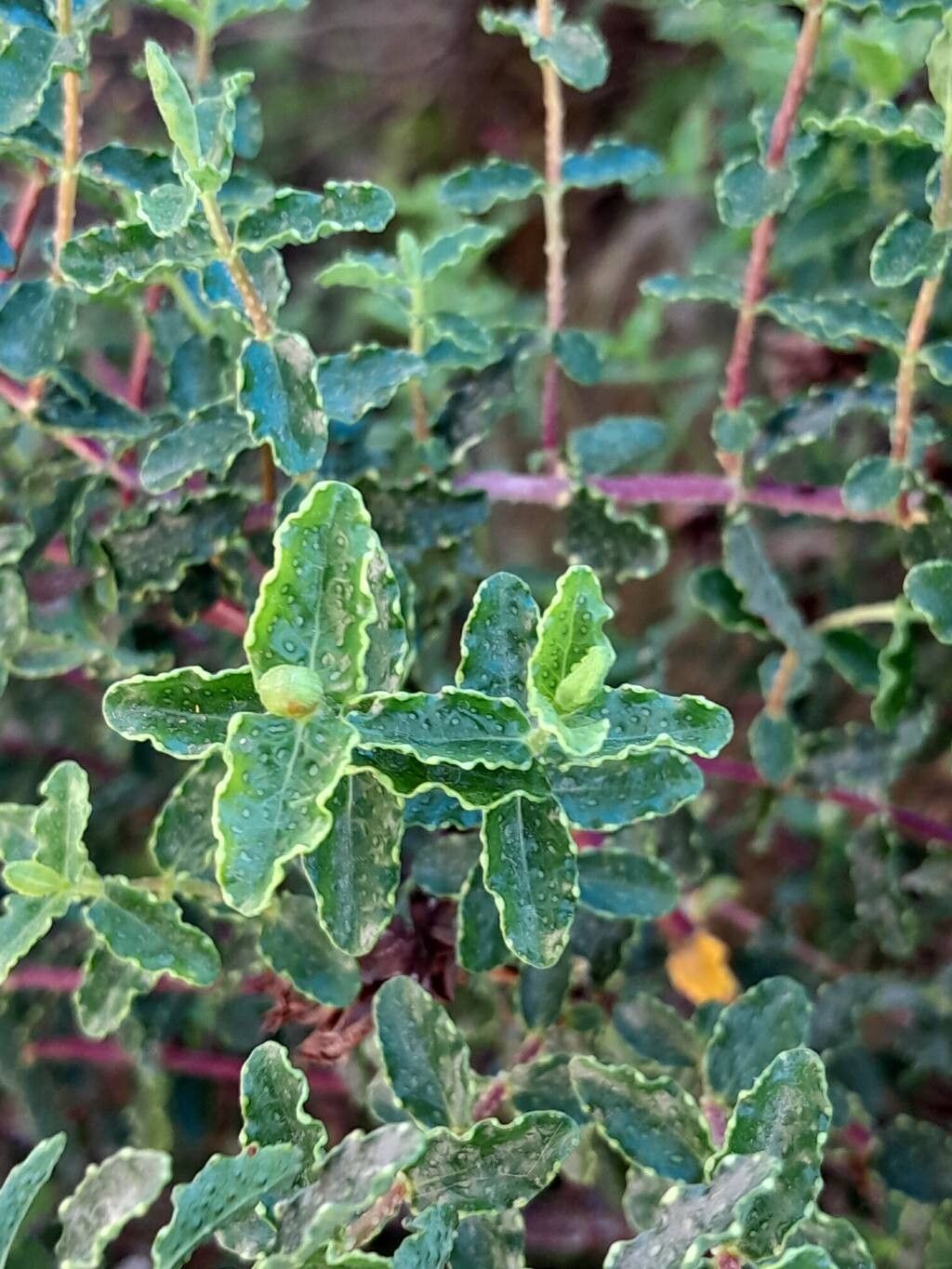
Ah, Hypericum balearicum! If you’re looking for a little ray of sunshine for your garden, this is a beauty. Its cheerful yellow flowers, often appearing in clusters, bring such joy. And the foliage! It’s often a lovely silvery-green, giving it a sophisticated look even when it’s not in bloom. Propagating it is a really satisfying way to get more of these lovely plants for yourself or to share with friends. Honestly, it’s not the easiest plant for a complete beginner, but with a little patience and the right approach, you’ll be rewarded.
The Best Time to Start
For Hypericum balearicum, I’ve found the late spring to early summer is your golden window. This is when the plant is actively growing, and its stems have that perfect combination of being a bit soft but not too woody. You’re looking for new, vigorous growth, often called “softwood cuttings.” Trying this too early in the spring, when things are still waking up, or too late in the fall, when growth is slowing, can make rooting much trickier.
Supplies You’ll Need
Here’s what you’ll want to have on hand before you start:
- Sharp, clean pruning shears or a craft knife: For making clean cuts.
- Rooting hormone (optional but helpful): A powder or gel to encourage root development.
- A well-draining potting mix: I like a blend of perlite and peat moss or coco coir. You can also buy specialized seedling or cutting mixes.
- Small pots or trays: With drainage holes! This is crucial.
- A watering can with a fine rose or a spray bottle: For gentle watering.
- Plastic bags or a propagator lid: To create a humid environment.
- Labels and a permanent marker: To keep track of what you’ve planted.
Propagation Methods
The most reliable way to propagate Hypericum balearicum, in my experience, is through stem cuttings.
-
Take Your Cuttings: On a pleasant morning, select healthy, non-flowering stems from your established plant. Look for stems that have grown this season. Using your sharp shears, take cuttings that are about 4-6 inches long. Make the cut just below a leaf node (where a leaf attaches to the stem). This node is where new roots are most likely to emerge.
-
Prepare the Cuttings: Gently remove the leaves from the bottom half of each cutting. You want to expose those nodes. If your cuttings have any flower buds, pinch those off too; you want the plant’s energy focused on roots, not flowers.
-
Apply Rooting Hormone (Optional): Dip the cut end of each prepared cutting into your chosen rooting hormone. Tap off any excess – you don’t need a thick coating.
-
Plant Your Cuttings: Fill your small pots or trays with your well-draining potting mix. Make a pilot hole in the center of each pot using a pencil or your finger. This prevents you from rubbing off the rooting hormone when you insert the cutting. Place your cutting into the hole, ensuring the nodes are buried in the soil. Firm the soil gently around the cutting.
-
Water Gently: Water the soil thoroughly but gently until water drains from the bottom.
-
Create Humidity: Cover the pots with a plastic bag (propped up with stakes so it doesn’t touch the leaves) or place them in a propagator with a lid. This creates a humid environment essential for cuttings to root.
The “Secret Sauce” (Pro Tips)
Here are a few things I’ve learned over the years that can really boost your success:
- Don’t let the leaves touch the soil: If any leaves are below the soil line, they’ll likely rot. It’s better to lose a few more leaves than to have them sitting in damp soil.
- Bottom heat is your friend: Hypericum tends to root better when the soil is kept a little warm. If you have a heated propagator, fantastic! If not, placing your pots on top of a warm (but not hot) appliance like a fridge can often provide enough gentle warmth.
- Air circulation is key: While you want humidity, you don’t want stagnant, damp air. Open the propagator lid or the plastic bag for a few minutes each day to let fresh air in. This helps prevent fungal diseases.
Aftercare & Troubleshooting
Once your cuttings are planted, place them in a bright spot out of direct sunlight. Keep the soil consistently moist but not waterlogged. You’ll know they’re rooting when you see new leaf growth or feel a gentle tug when you try to pull the cutting out (gently, of course!). This can take anywhere from 4 to 8 weeks, sometimes longer.
The most common sign of failure is rotting. If your cuttings turn black and mushy at the base, it’s likely due to too much moisture and not enough air circulation. If you see signs of rot, it’s best to discard those cuttings and try again, making sure your soil is well-draining and you’re airing them out. Brown, crispy leaves usually mean the cutting is drying out too much.
A Little Patience Goes a Long Way
Propagating plants is a journey, and Hypericum balearicum is no exception. There will be times when things don’t quite work out, and that’s perfectly okay! Don’t get discouraged. Each attempt teaches you something new. Just remember to give them the right conditions, a little warmth, and a lot of patience, and you’ll soon be enjoying your own propagated Hypericum treasures. Happy gardening!
Resource:
https://identify.plantnet.org/k-world-flora/species/Hypericum%20balearicum%20L./data