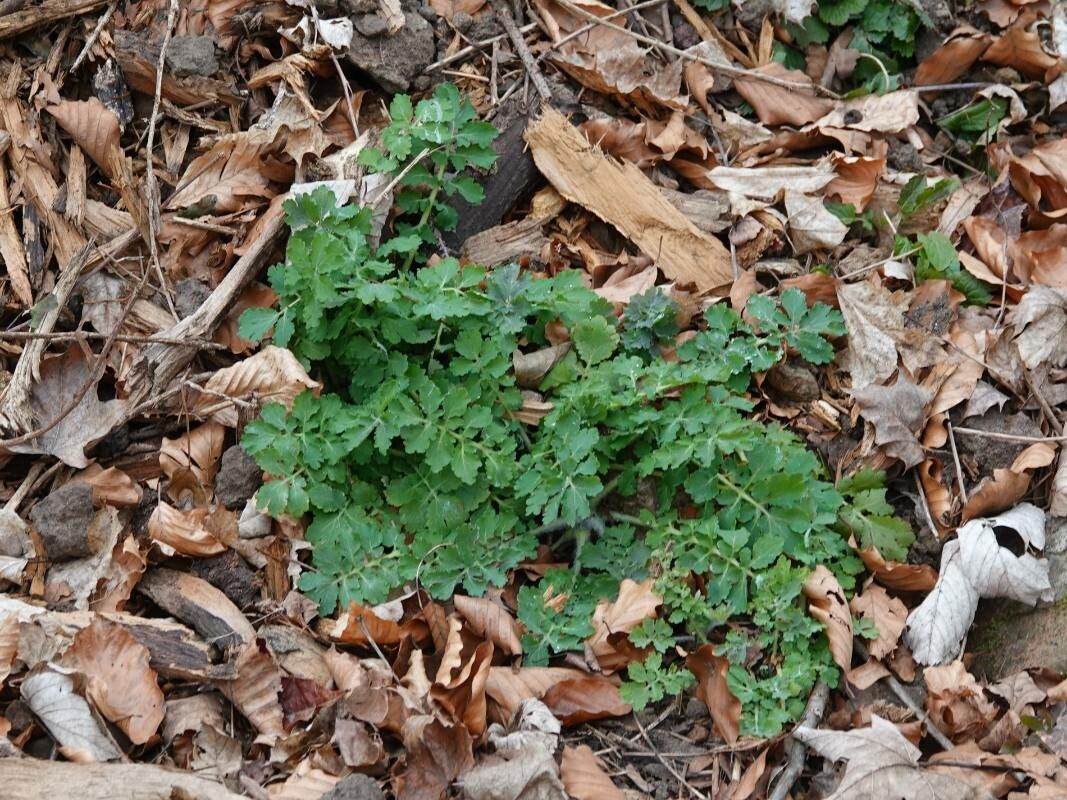
Oh, hello there! Pull up a chair and let’s chat about one of my very favorite woodland beauties: Hydrophyllum macrophyllum, or Largeleaf Waterleaf. If you’ve ever seen this plant gracing a shady corner of a garden, you know its appeal. Its lush, attractive foliage, often with delightful silver markings, brings a bit of magic to even the dimmest spots. And the best part? It’s surprisingly easy to spread the love and create more of these beauties for your own garden or to share with fellow plant enthusiasts. It’s a rewarding process, and I promise, even if you’re new to the gardening game, you can absolutely do this!
The Best Time to Start
For Hydrophyllum macrophyllum, the sweet spot for propagation is generally in the late spring to early summer. This is when the plant is actively growing and has plenty of energy to put into developing new roots. You’re looking for new, healthy stems that aren’t yet woody. Waiting until your plant has already established itself and is putting out vibrant new growth will give you the best chance of success. Trying to propagate from dormant material is just a much tougher uphill battle.
Supplies You’ll Need
Gathering your supplies ahead of time makes the whole process smoother. Here’s what you’ll want on hand:
- Sharp, clean pruning shears or a craft knife: For making neat cuts. I always sterilize mine with a bit of rubbing alcohol before I start.
- Rooting hormone (optional, but recommended): This can give your cuttings a helpful boost. Look for a powder or gel form.
- Small pots or containers: Whatever you have that drains well will work. Even yogurt cups with holes poked in the bottom can do in a pinch!
- A well-draining potting mix: I like a blend of peat moss or coco coir, perlite, and a bit of compost. You want something that won’t stay waterlogged. A good starter mix is often 50% potting soil and 50% perlite.
- A plastic bag or propagation dome: To create a mini-greenhouse effect.
- Watering can with a fine rose or a spray bottle: To gently water your cuttings.
Propagation Methods
Hydrophyllum macrophyllum is wonderfully versatile, but I find the easiest and most successful method for home gardeners is stem cuttings. It’s straightforward and gives you a good number of new plants from a single parent.
Stem Cuttings
- Select Your Cuttings: As I mentioned, look for healthy, non-flowering stems in late spring or early summer. You want cuttings that are about 4-6 inches long. Gently bend a stem; if it snaps cleanly, it’s usually a good indicator that it’s ready.
- Make the Cut: Using your sharp, clean shears, cut the stem just below a leaf node (the point where a leaf attaches to the stem). This is where roots are most likely to form.
- Prepare the Cutting: Carefully remove the lower leaves, leaving just the top two or three leaves. If the remaining leaves are very large, you can even cut them in half horizontally to reduce water loss through transpiration.
- Apply Rooting Hormone (Optional): If you’re using rooting hormone, dip the cut end of the stem into the powder or gel, tapping off any excess.
- Potting Up: Fill your small pots with your well-draining potting mix. Make a small hole in the center of the mix with your finger or a pencil.
- Insert the Cutting: Gently place the cut end of the stem into the hole, making sure the leaf nodes are below the surface of the soil. Lightly firm the soil around the cutting to ensure good contact.
- Water Gently: Water the soil thoroughly but gently. You want it to be moist, not soggy.
- Create a Humid Environment: Loosely cover the pot with a plastic bag or place it inside a propagation dome. This is crucial for keeping the humidity high around the cuttings.
- Find the Right Spot: Place the pots in a bright location, but out of direct sunlight. A spot that gets dappled shade or indirect light is perfect.
The “Secret Sauce” (Pro Tips)
Here are a couple of things I’ve learned over the years that really seem to make a difference:
- Don’t Let the Lower Leaves Touch the Soil: This is a big one! If the leaves are nestled in the moist soil, they’re much more prone to rotting before they can root. Keep them elevated.
- Bottom Heat is Your Friend: While not strictly necessary for Hydrophyllum macrophyllum, if you have a seedling heat mat, placing your pots on it can really speed up the rooting process. It provides gentle warmth that encourages root development. Just make sure it’s not too hot!
Aftercare & Troubleshooting
Once your cuttings are potted up, the real waiting game begins. Keep the soil consistently moist but never waterlogged. Check the moisture level by poking your finger into the soil. If it feels dry an inch down, it’s time to water.
You’ll know your cuttings have rooted when you see new leaf growth appearing, or when you gently tug on the cutting and feel resistance. This usually takes anywhere from 3 to 6 weeks, sometimes a bit longer.
The most common issue you might encounter is rot. If you see your stem cuttings turning black and mushy, it’s a sign of too much moisture and not enough airflow. Don’t be discouraged if a few don’t make it! It happens to everyone. Simply discard the rotted cuttings and try again. Overwatering is usually the culprit, so loosen up on the watering can if this happens.
A Encouraging Closing
Propagating plants is a journey, a little dance with nature. Be patient with your Hydrophyllum macrophyllum cuttings. Some will take off like rockets, while others might be a little slower to get going. Enjoy the process, the anticipation, and the incredible satisfaction of watching new life emerge. Happy gardening, my friends!
Resource:
https://identify.plantnet.org/k-world-flora/species/Hydrophyllum%20macrophyllum%20Nutt./data