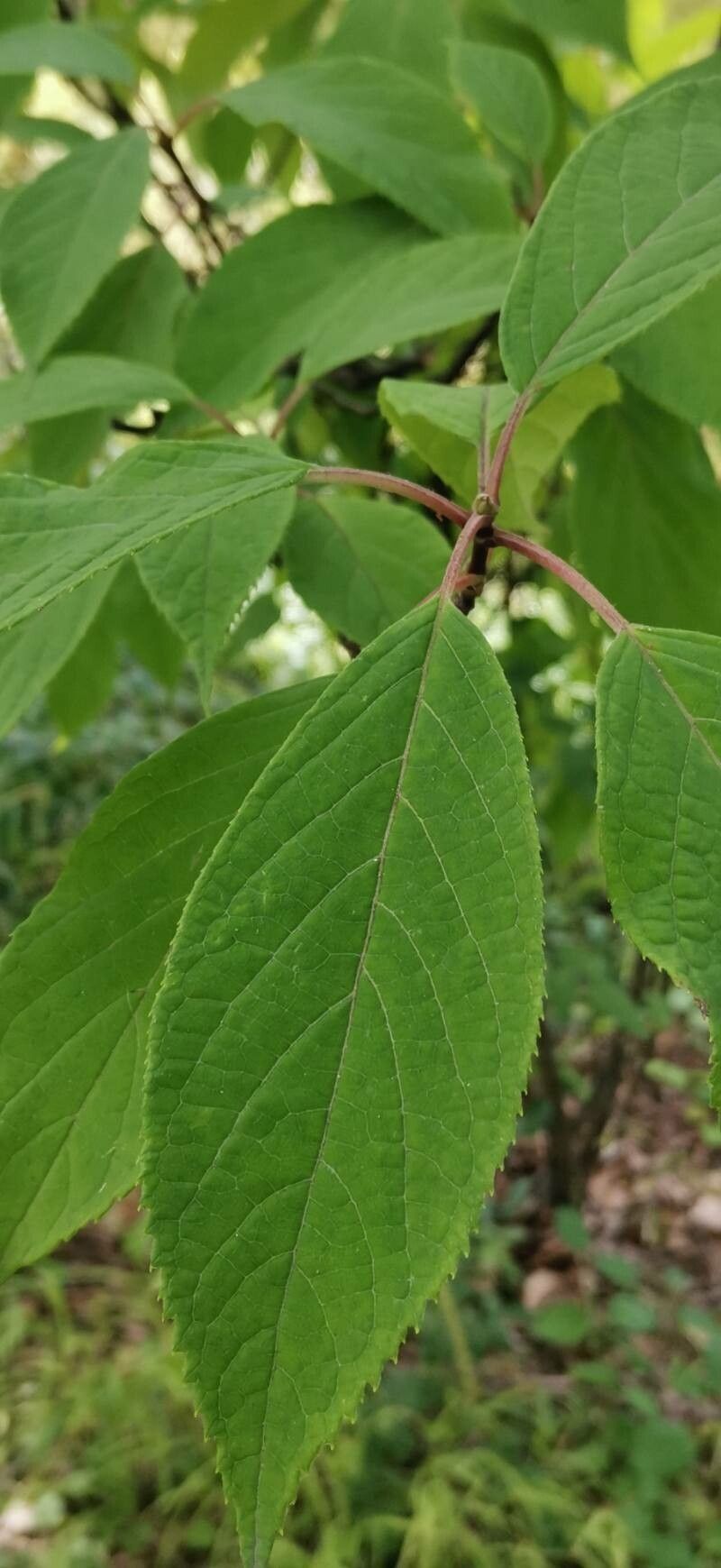
Hello there, fellow plant lovers! I’m so thrilled you’re interested in propagating Hydrangea xanthoneura. If you’ve ever admired these beauties, with their delicate, almost papery blooms that transform from white to a lovely rosy hue as they age, you know they bring an understated elegance to any garden. And the joy of creating more of these lovelies from your existing plants? It’s truly something special. Now, for the good news: Hydrangea xanthoneura is moderately easy to propagate, making it a delightful project for both seasoned gardeners and those just dipping their toes into the wonderful world of plant multiplication.
The Best Time to Start
For the highest success rate, I find the late spring to early summer to be absolutely perfect. This is when the plant is actively growing, and you can take cuttings (more on that soon!) with plenty of energy to put into forming roots. Aim for stems that are neither brand new and soft, nor old and woody. You’re looking for that sweet spot – semi-hardwood cuttings, as we horticulturists like to call them.
Supplies You’ll Need
Gathering your supplies beforehand makes the whole process smoother. Here’s what I recommend:
- Sharp Pruning Shears or a Craft Knife: Clean cuts are vital for healthy rooting.
- Rooting Hormone: While not strictly essential for hydrangeas, it can give your cuttings a helpful boost. I prefer the powdered form.
- Well-Draining Potting Mix: A mix of perlite, peat moss, and a bit of compost works wonders. You can also purchase a specific propagation mix.
- Small Pots or Propagation Trays: With drainage holes, of course!
- Plastic Bags or a Small Greenhouse: To create a humid environment for your cuttings.
- Velcro Ties or Twine: For labeling and keeping things organized.
- Water (for water propagation): Clean tap water is fine.
Propagation Methods
Let’s get our hands dirty! Here are a couple of popular methods that work brilliantly for Hydrangea xanthoneura.
Stem Cuttings
This is my go-to method for hydrangeas.
- Select Your Cuttings: In late spring or early summer, choose healthy, vigorous stems on your Hydrangea xanthoneura. Look for stems that have a few sets of leaves and are just starting to firm up.
- Make the Cut: Using your sterilized pruning shears or knife, make a clean cut just below a leaf node (where a leaf attaches to the stem). This is crucial because roots are more likely to form at these points.
- Prepare the Cutting: Your cutting should be about 4-6 inches long. Remove the lower leaves, leaving only the top 1-2 sets. If the leaves are very large, you can even cut them in half horizontally to reduce water loss.
- Apply Rooting Hormone (Optional): Dip the cut end of the stem into your rooting hormone, tapping off any excess.
- Potting Up: Fill your small pots or trays with your prepared potting mix. Make a hole with a pencil or your finger in the center of the soil.
- Plant the Cutting: Gently insert the rooting hormone-coated end of the cutting into the hole, then firm the soil around it.
- Water and Cover: Water the soil thoroughly. Then, cover the pot with a clear plastic bag or place it in a small greenhouse. This creates a mini-humidity dome. You can secure the bag with a rubber band or Velcro tie around the pot.
Water Propagation
This is a wonderfully visual way to watch your hydrangea grow roots.
- Select and Cut: Follow steps 1 and 2 from the stem cuttings method.
- Prepare the Cutting: Remove all but the top 1-2 sets of leaves, just like before.
- Place in Water: Find a clear glass or jar and fill it with clean water. Place your cutting in the water so that the lowest leaf node (where you removed the leaves) is submerged.
- Position: Place the jar in a bright location, but out of direct sunlight.
- Change the Water: Change the water every few days to keep it fresh and prevent bacterial growth.
The “Secret Sauce” (Pro Tips)
Over the years, I’ve learned a few tricks that seem to make all the difference. These are my little insider secrets!
- Don’t Let the Leaves Touch the Water: Whether you’re doing stem cuttings in soil or water propagation, it’s vital that the leaves do not sit in water. This is a fast track to rot and disappointment. Submerged leaves will quickly decay, inviting disease.
- Bottom Heat is Amazing: If you have a heat mat, place your pots or trays on it. Hydrangeas absolutely love a bit of gentle warmth from below, especially during the rooting phase. It really encourages those roots to get going.
- Patience is a Virtue (and a Requirement): Hydrangeas can be a bit slow to show visible signs of rooting. Don’t be tempted to pull them out too early to check! Wait at least 3-4 weeks, and sometimes even longer, before gently tugging. If you feel resistance, you likely have roots. For water propagation, you’ll see the roots developing, which is incredibly rewarding.
Aftercare & Troubleshooting
Once you see those lovely new roots forming – hooray!
- Transplanting: If your cuttings were in a propagation tray, gently transplant them into individual small pots with well-draining soil once the roots are about an inch long. If they were in water, wait until the roots are a few inches long and then pot them up.
- Watering: Water newly potted cuttings gently but thoroughly. Keep the soil consistently moist but not soggy. It’s much better to water too little than too much at this stage.
- Light: Continue to keep them in bright, indirect light. As they grow stronger, you can gradually introduce them to more sunlight.
- Troubleshooting: The most common issue you’ll encounter is rot. This usually happens due to overwatering and poor air circulation. If you see your cutting turn black and mushy, or if leaves start to yellow and drop rapidly, it’s likely rot. If this happens, remove the affected cutting immediately. Ensure good airflow and adjust your watering schedule. Another sign of failure is a cutting that simply refuses to root after a long time – sometimes, a cutting just isn’t destined to become a new plant, and that’s okay.
A Little Encouragement
Propagating plants is a journey of learning and observation. Be patient with your little hydrangea babies. Sometimes they take their time, and that’s part of the charm. Celebrate every inch of growth, every new leaf. You’re not just creating more plants; you’re cultivating a deeper connection with nature, and that’s a truly wonderful thing. Happy propagating!
Resource:
https://identify.plantnet.org/k-world-flora/species/Hydrangea%20xanthoneura%20Diels/data