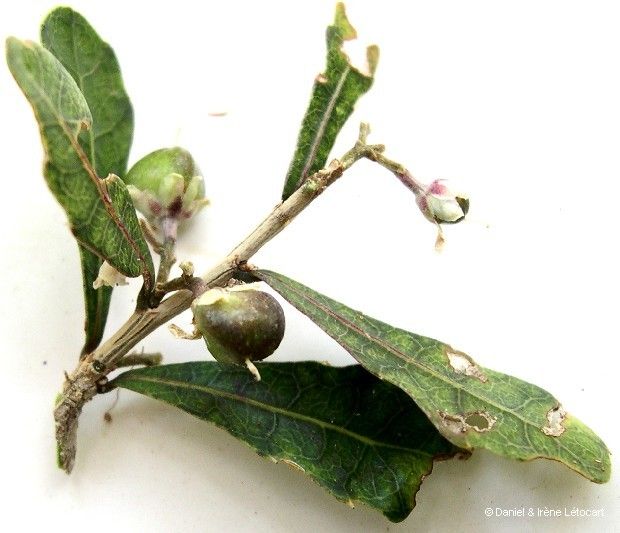
Oh, hello there! Come on in, let’s chat about one of my absolute favorites: Hybanthus caledonicus. Isn’t it a beauty? With its delicate, often vibrantly colored flowers and lovely foliage, it really brings a touch of the tropics to any garden or home. And the best part? You can easily grow more of these charmers yourself. Propagation is such a rewarding part of gardening, don’t you think? It’s incredibly satisfying to watch a tiny snippet transform into a whole new plant. Now, for Hybanthus caledonicus, I’d say it’s moderately easy to propagate. Not so challenging that it’ll frustrate a beginner, but it does require a little attention and understanding.
The Best Time to Start
For the highest success rates with Hybanthus caledonicus, you’ll want to focus on the active growing season. This usually means late spring through summer. When the plant is actively producing new shoots and leaves, it has the energy reserves to put into rooting. Avoid propagating during the plant’s dormant period, as it’ll be much slower to respond.
Supplies You’ll Need
To get started, here’s what I always keep on hand:
- Sharp pruning shears or a clean craft knife: For making nice, clean cuts.
- A rooting hormone (optional but recommended): I find it gives cuttings a real boost. Look for one with IBA (indole-3-butyric acid).
- Sturdy, well-draining potting mix: A good blend for me is equal parts peat moss, perlite, and a bit of horticultural charcoal. You can also find specialized cutting mixes.
- Small pots or trays: Clean ones, of course! Terracotta pots are great because they breathe.
- Plastic bags or a propagation dome: To create a humid environment.
- Watering can with a fine rose: For gentle watering.
- Labels and a marker: To keep track of what you’ve potted and when.
Propagation Methods
Let’s get our hands dirty! The most reliable method for Hybanthus caledonicus is stem cuttings.
Stem Cuttings:
- Select a healthy stem: Look for a piece of new growth that’s firm but not woody. It should be about 4-6 inches long. Avoid flowering stems if possible.
- Make the cut: Using your sharp shears or knife, make a clean cut just below a leaf node. A leaf node is where a leaf attaches to the stem. This is where the magic happens for root development.
- Prepare the cutting: Gently remove the lower leaves, leaving just a couple of leaves at the top. If the remaining leaves are very large, you can cut them in half horizontally to reduce water loss while still allowing for photosynthesis.
- Apply rooting hormone (if using): Dip the cut end of the stem into the rooting hormone powder, tapping off any excess.
- Pot up your cutting: Fill your small pot with the well-draining potting mix. Make a hole with your finger or a pencil, and insert the cut end of the stem into the soil, making sure the nodes where you removed leaves are buried.
- Water gently: Water the soil thoroughly but avoid waterlogging.
- Create humidity: Place the pot inside a plastic bag, sealing it loosely around the pot, or cover it with a propagation dome. This will trap moisture.
- Provide light: Place the pot in a bright spot, but out of direct sunlight. An east-facing window is often perfect.
The “Secret Sauce” (Pro Tips)
Here are a couple of things I’ve learned over the years that make a real difference:
- Bottom Heat is Your Best Friend: If you have the space, an old seedling heat mat placed underneath the pots can dramatically speed up rooting. It encourages root development from the bottom up.
- Don’t Let Leaves Touch the Water (if water propagating): While stem cuttings are my preference for Hybanthus, if you decide to try water propagation (just sticking a cutting in a glass of water), make sure no leaves are submerged. Rot sets in quickly when leaves are in stagnant water, and that’s the kiss of death for your cutting.
Aftercare & Troubleshooting
Once your cuttings have been potted, keep an eye on them!
- Check the soil moisture regularly: It should be consistently moist, not soggy. If the soil starts to dry out, mist the inside of the plastic bag or dome to re-establish humidity.
- Look for signs of rooting: After a few weeks, you can gently tug on a cutting. If you feel resistance, that’s a good sign roots are forming. You’ll also start to see new leaf growth, which is another excellent indicator.
- Gradually acclimate: Once you see good root development, gradually introduce the new plant to normal air by opening the plastic bag or dome for longer periods each day over a week or so.
- Common problems: The biggest enemy is rot. If your cutting turns black and mushy, it’s likely rotted. This is usually due to overwatering or poor drainage. If you see mold on the soil, try to carefully remove it and ensure good air circulation.
A Encouraging Closing
Propagating plants is a journey, and like any good journey, it requires a little patience. Don’t get discouraged if a cutting doesn’t take. Every attempt is a learning experience. Just keep trying, observe your plants, and enjoy the wonder of bringing new life into your home. Happy gardening!
Resource:
https://identify.plantnet.org/k-world-flora/species/Hybanthus%20caledonicus%20(Turcz.)%20Cretz./data