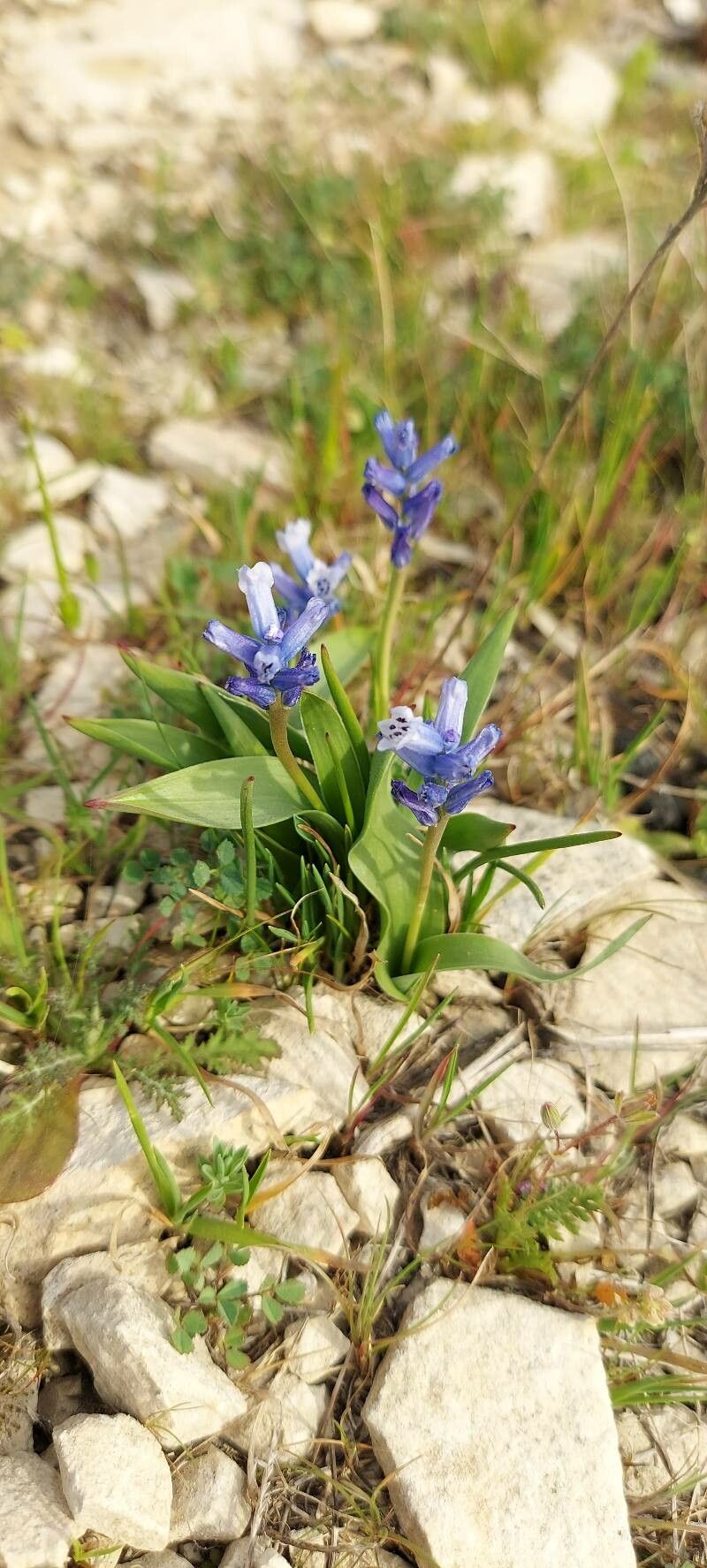
Oh, hello there! Pull up a chair, let’s talk about a little gem: Hyacinthella nervosa. If you’ve ever stumbled upon this delightful bulb, you know its appeal. Those delicate, often fragrant spires of flowers bring such a joy to the spring garden. And the best part? You can absolutely make more of them! Propagating Hyacinthella nervosa is a wonderfully rewarding endeavor, and truth be told, it’s not one of the trickiest propagation projects out there, even for those just dipping their toes into the world of plant multiplication.
The Best Time to Start
For Hyacinthella nervosa, the absolute sweet spot for propagation is during its dormant period. Think late summer or early autumn, after the foliage has completely died back. This is when the plant is storing energy in its bulbs and is less stressed by the process. Trying to divide or work with them while they’re actively growing or flowering can really set them back. Patience here is key!
Supplies You’ll Need
Before we get our hands dirty, let’s gather our gear. Here’s what I always have on hand:
- Sharp, clean trowel or small spade: For gently lifting and dividing bulbs.
- Rooting hormone (optional but helpful): A powder or liquid to encourage root development.
- Well-draining potting mix: A blend formulated for bulbs or succulents works beautifully. You can also make your own by mixing equal parts peat moss, perlite, and sand.
- Small pots or trays: For housing your new propagation efforts.
- Watering can with a fine rose: For gentle watering.
- Newspaper or paper towels: To lay out your bulbs.
- Gloves (optional): If you have sensitive skin, some bulbs can be a bit irritating.
Propagation Methods
While you might think of bulbs and immediately go to division, Hyacinthella nervosa is pretty straightforward with its tried-and-true method.
Bulb Division: This is the primary and most successful way to propagate Hyacinthella nervosa.
- Dig Them Up: Gently, and I mean gently, use your trowel to excavate around the parent bulb. You want to lift the entire clump, being careful not to damage the bulbs or their roots. It’s best to do this when the soil is slightly moist, not bone dry or waterlogged.
- Clean and Separate: Once out of the ground, carefully brush away as much of the soil as you can. You’ll likely see that the main bulb has produced smaller offsets, or “daughter bulbs,” at its base. These are your new plants!
- Gently Pull Apart: These offsets are usually attached by a small neck or at the base. Gently pull them apart. If they’re really stubborn, you might need to use a clean, sharp knife to make a clean cut. The goal is to ensure each new bulb has access to its own root structure.
- Inspect and Discard: Take a good look at each bulb. Discard any that show signs of rot, disease, or damage. Healthy bulbs should feel firm.
- Apply Rooting Hormone (Optional): If you’re using rooting hormone, dip the basal plate (the part where the roots will grow) of each new bulb into the hormone powder or liquid. Tap off any excess.
- Plant Them Up: Fill your pots with your well-draining potting mix. Plant the bulbs pointy end up, about 2-3 inches deep. Space them a few inches apart in pots or trays, or plant them directly into well-prepared garden beds if your climate is suitable and you’re confident in their overwintering ability.
The “Secret Sauce” (Pro Tips)
Here are a couple of little nuggets of wisdom I’ve picked up over the years that make a real difference:
- Let them “cure”: After you’ve divided the bulbs, it’s beneficial to let them sit for a few days to a week in a dry, airy location before replanting. This allows any small cuts or bruises to heal over, significantly reducing the risk of rot. You can simply lay them out on newspaper in a shed or garage.
- Think drainage, drainage, drainage! This is so crucial for bulbs. Even if you think your soil is good, amending it with extra perlite or grit when planting your divisions provides insurance against waterlogged conditions, which are the death knell for many bulbs.
Aftercare & Troubleshooting
Once your little Hyacinthella nervosa bulbs are planted, give them a gentle watering. The soil should be moist but not soggy. Over the next few weeks, keep an eye on them. You’re looking for signs of new growth emerging from the soil. If you’re planting them in autumn, they’ll likely just sit dormant until spring.
The most common sign of failure is rot. If the bulbs turn mushy, smell foul, or you see black, wet spots, it’s usually a sign of too much moisture. sadly, these are unlikely to recover. Lack of root development can also be an issue, often linked to poor soil drainage or bulbs that weren’t healthy to begin with.
A Encouraging Closing
Watching a new plant emerge from a division you’ve carefully made is one of gardening’s purest joys. Be patient with your Hyacinthella nervosa propagation efforts. Sometimes things take their own sweet time. So, embrace the process, enjoy the connection with your plants, and soon you’ll have even more of those beautiful blooms to admire! Happy gardening!
Resource: