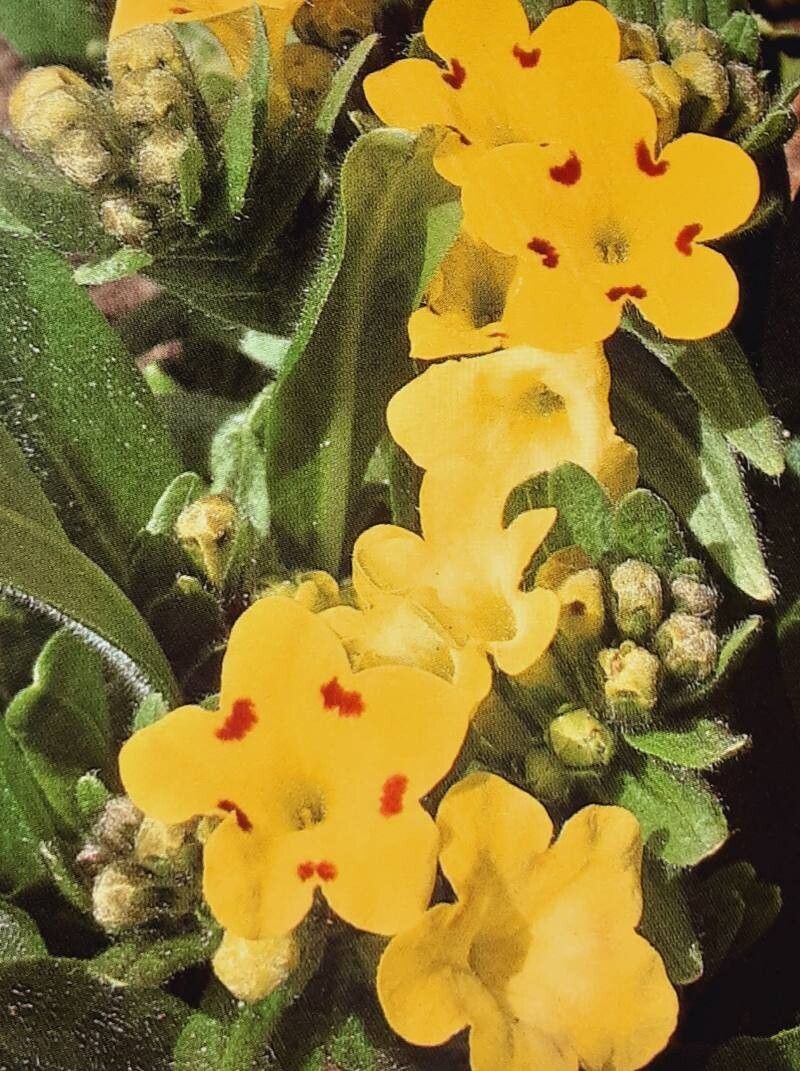
Hello there, fellow plant lovers! Today, we’re diving into the wonderful world of propagating Huynhia pulchra. If you’ve ever fallen in love with its delicate leaves and charming habit, you’re in for a treat. Making more of these beauties to share or just to fill your own space is incredibly satisfying. Now, I’ll be honest, Huynhia pulchra can be a little fussy, so it’s not always the easiest plant for absolute beginners to propagate, but with a little patience and these tips, you’ll certainly boost your chances of success!
The Best Time to Start
For the best results with Huynhia pulchra, think spring or early summer. This is when the plant is actively growing and has the most energy to put into developing new roots. You’re looking for healthy, vigorous new growth – stems that are firm but not woody. Avoid propagating from stressed or dormant plants.
Supplies You’ll Need
Before we get our hands dirty, let’s gather our little helpers:
- Sharp Pruning Shears or a Clean Knife: For taking clean cuts. Sterilize them first!
- Rooting Hormone (Optional but Recommended): Especially helpful for fussier plants. Look for a powder or gel.
- Well-Draining Potting Mix: A mix of perlite, peat moss, and a little bit of regular potting soil works wonders. Or a pre-made succulent/cactus mix.
- Small Pots or Propagation Trays: With drainage holes, of course!
- Clear Plastic Bags or a Propagation Dome: To create a humid environment.
- Watering Can or Spray Bottle: For gentle watering.
- Optional: Heat Mat: This can significantly speed up root development.
Propagation Methods
Huynhia pulchra is most commonly propagated from stem cuttings. Here’s how I like to do it:
- Select Your Cuttings: Choose healthy stems that are at least 3-4 inches long. Look for stems with several leaves, and make sure there are at least two leaf nodes (the little bumps where leaves emerge) on each cutting.
- Make the Cut: Using your sterilized pruners or knife, make a clean cut just below a leaf node. This is where roots are most likely to form.
- Prepare the Cutting: Gently remove the lower leaves from the cutting, leaving at least two leaves at the top. This prevents leaves from sitting in water or soil and rotting.
- Apply Rooting Hormone (if using): Dip the cut end of the stem into the rooting hormone, tapping off any excess.
- Plant Your Cuttings: Fill your small pots with the well-draining potting mix. Make a small hole in the center with your finger or a pencil. Insert the cutting into the hole, ensuring the nodes are below the soil surface. Gently firm the soil around the stem to keep it upright.
- Water Gently: Water the soil thoroughly but gently. You want it moist but not waterlogged.
- Create Humidity: Place a clear plastic bag loosely over the pot, or put the pots under a propagation dome. This traps moisture and mimics the humid conditions your cutting needs to root. If using a bag, make sure the leaves don’t touch it.
- Provide Bright, Indirect Light: Place your cuttings in a spot that receives bright, filtered light. Avoid direct sunlight, which can scorch them.
The “Secret Sauce” (Pro Tips)
Here are a couple of tricks I’ve learned over the years that can really make a difference:
- Don’t Overcrowd: When taking multiple cuttings, give them a little space in their pots. Cramming too many together can lead to rot and competition for resources.
- Bottom Heat is Your Friend: If you have a heat mat, place your pots on it. The gentle warmth encourages root development from below, kind of like how a mother plant provides warmth to its developing babies.
- Patience is Key: Sometimes, propagation takes time. Don’t be discouraged if you don’t see roots immediately. Give it several weeks!
Aftercare & Troubleshooting
Once you start to see new leaf growth, that’s a good sign roots are forming! You can gently tug on a cutting – if it offers resistance, it’s likely rooted.
- Acclimatize: Once roots are established, start to gradually remove the plastic bag or dome over a few days. This helps your new plant get used to less humid air.
- Watering: Continue to water when the top inch of soil feels dry.
- Fertilizing: Wait until your new plant is well-established and showing good growth before feeding it with a diluted, balanced liquid fertilizer.
The most common problem you’ll encounter is rot. This usually happens when cuttings are kept too wet or in stagnant air. If you see a cutting turning mushy or black, it’s best to discard it to prevent it from spreading. Wilting without rot can sometimes mean it’s too dry, or it just hasn’t rooted yet and is struggling.
A Little Encouragement
Propagating Huynhia pulchra is a journey, and like all good journeys, it’s about the process as much as the destination. Be patient with your new little plants, learn from every step, and most importantly, enjoy watching them grow! Happy propagating!
Resource: