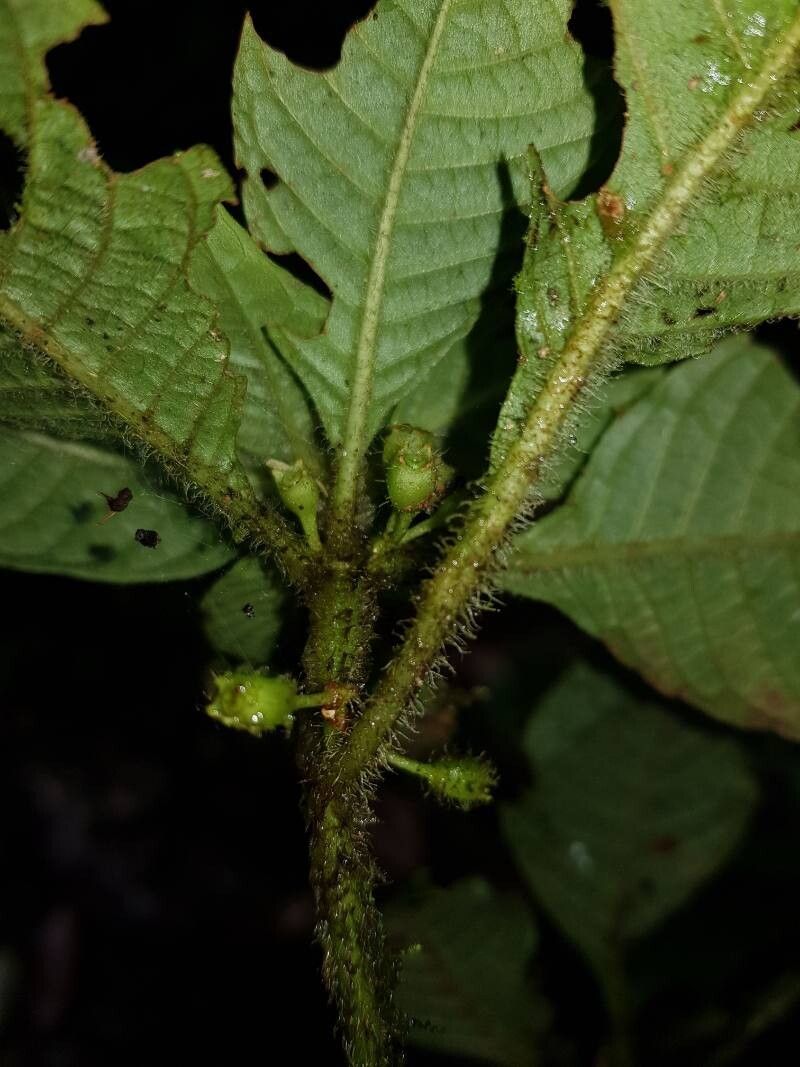
Hello fellow plant lovers!
I’ve always had a soft spot for plants with stunning foliage, and Hoffmannia valerii is definitely one of those stunners. Those deep, velvety leaves with their intricate red veining are just chef’s kiss. Plus, turning a single plant into a whole collection by propagating it yourself? It’s incredibly satisfying and a wonderful way to share the plant love. Now, I’ll be honest, Hoffmannia valerii isn’t quite as foolproof as say, a pothos, but it’s certainly not an impossible challenge. Even if you’re relatively new to propagation, with a little patience and this guide, you can absolutely succeed.
The Best Time to Start
For the highest chance of success with your Hoffmannia valerii, aim to propagate during its active growing season. This is generally in the spring and early summer. The plant is full of vigor then, and those new cuttings will have plenty of energy to put into developing roots. Trying to propagate when it’s cooler or the plant is resting will significantly slow things down, or worse, lead to rot.
Supplies You’ll Need
Here’s what you’ll want to have on hand:
- Sharp pruning shears or a clean knife: For taking clean cuttings.
- Rooting hormone (optional but recommended): A good quality rooting powder or gel can give your cuttings a helpful boost.
- Well-draining potting mix: I like a blend of peat moss, perlite, and a bit of orchid bark. You could also use a standard houseplant mix with extra perlite added.
- Small pots or seed trays: Clean ones are crucial!
- Clear plastic bags or a propagation box/dome: To create a humid environment.
- Water: For watering and potentially for water propagation.
- Spray bottle: For misting.
Propagation Methods
Let’s get our hands dirty! I’ve found stem cuttings to be the most reliable method for Hoffmannia valerii.
Stem Cuttings:
- Take Your Cuttings: Choose a healthy, actively growing stem. Using your sharp shears or knife, cut a piece that’s about 4-6 inches long. Make sure the cut is just below a leaf node (where a leaf attaches to the stem). You’ll want at least two to three leaf nodes on your cutting.
- Prepare the Cuttings: Gently remove the lowest leaves from the cutting. This prevents them from rotting when they’re in soil or water. If your remaining leaves are very large, you can consider cutting them in half horizontally. This reduces water loss while still leaving enough surface area for photosynthesis.
- Apply Rooting Hormone (Optional): Dip the cut end of the stem into your rooting hormone of choice. Tap off any excess.
- Plant Your Cuttings:
- In Soil: Fill your small pots with your well-draining mix. Make a small hole with your finger or a pencil, and insert the cutting, ensuring at least one leaf node is buried in the soil. Firm the soil gently around the stem.
- In Water (Alternative): If you prefer water propagation, place the cuttings in a clean jar or vase of room-temperature water. Make sure the removed leaf nodes are submerged.
- Create Humidity: Water your soil lightly if you planted them in pots. Then, cover the pots with a clear plastic bag, securing it loosely around the base. For water cuttings, the humidity will be provided by the air around them.
The “Secret Sauce” (Pro Tips)
Here are a couple of things I’ve learned over the years that really make a difference:
- Bottom Heat is Your Friend: Hoffmannia valerii really perks up with a little warmth from below. If you have a heating mat, placing your pots or water jar on it can dramatically speed up root development. It mimics the warmth of spring soil.
- Don’t Rush the Water: If you are water propagating, try not to let the leaves touch the water surface. This is a prime spot for rot to set in. You might need to trim the stems a bit or adjust the water level as they grow.
- Patience with the Pink: Hoffmannia valerii can sometimes take their sweet time to root. Don’t pull them up too early to check! Wait at least 3-4 weeks. You’ll usually see new leaf growth and resistance when you gently tug, indicating roots have formed.
Aftercare & Troubleshooting
Once you see signs of rooting (new leaves or gentle tugging resistance), it’s time for a little extra care.
- Acclimatize: If you used a plastic bag, gradually remove it over a few days. Start by opening the bag for an hour or two, then increasing the time. This helps the new plant adjust to lower humidity without shock.
- Watering: Water when the top inch of soil feels dry. Avoid letting the soil become waterlogged, especially for the first few weeks. For water-propagated babies, transfer them to soil once their roots are about an inch long.
- Light: Place your newly rooted plants in bright, indirect light. Direct sun will scorch those tender new leaves.
- Troubleshooting – Rot: The biggest culprit is overwatering and lack of air circulation. If you notice stems turning black and mushy, or leaves falling off, it’s likely rot. Sadly, if rot sets in, it’s hard to save that particular cutting. Your best bet is to discard it and start fresh, paying closer attention to drainage and humidity control.
- Troubleshooting – No Growth: This could mean it’s not quite warm enough, it needs more consistent humidity, or it’s just taking a very long time. Try repositioning it in a warmer spot or ensuring humidity levels are consistent.
Happy Propagating!
Propagating plants is a journey, not a race. Don’t be discouraged if your first attempt isn’t perfect. Each cutting is a learning opportunity. Take your time, observe your plants, and enjoy the magic of creating new life from an existing one. Before you know it, you’ll have a beautiful Hoffmannia valerii to adorn every corner of your home!
Resource:
https://identify.plantnet.org/k-world-flora/species/Hoffmannia%20valerii%20Standl./data