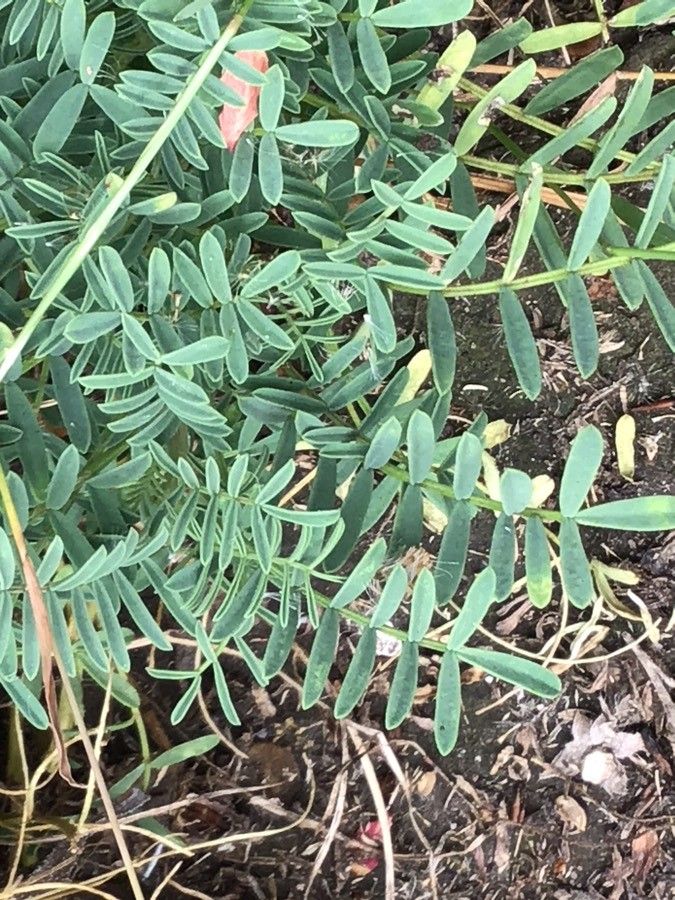
Oh, hello there! Grab a mug, settle in, and let’s chat about a little gem of a plant: Hippocrepis balearica. You know the one – those delicate, pea-like flowers, often a soft yellow, that just scream sunshine and a gentle breeze. It’s a lovely thing to have gracing a sunny spot in your garden or even trailing from a pot. And the best part? You can easily bring more of this beauty into your life by propagating it yourself. It’s such a satisfying process, watching a tiny cutting transform into a new, vibrant plant.
Now, I’ll be honest, I wouldn’t call Hippocrepis balearica the absolute easiest plant for a complete beginner to propagate, but it’s certainly not a steep learning curve either. With a little care and attention, you’ll be well on your way to success. Think of it as a fun gardening project, a chance to deepen your connection with your plants.
The Best Time to Start
For Hippocrepis balearica, the sweet spot for propagation is typically late spring to early summer. This is when the plant is actively growing and has plenty of energy to put into developing new roots. You want to be working with healthy, new growth – think stems that have flushed out but aren’t yet woody. If you wait too long, into the heat of mid-summer, the young cuttings can struggle with dehydration.
Supplies You’ll Need
Gathering your tools beforehand makes the whole process much smoother. Here’s what I usually have on hand:
- Sharp, clean pruning shears or a sharp knife: Sterilize them with rubbing alcohol. This is crucial to prevent disease.
- Rooting hormone (optional but recommended): A powder or gel helps encourage faster root development.
- Well-draining potting mix: A blend of peat moss or coco coir and perlite or coarse sand is ideal. You want it to hold some moisture but drain away excess water quickly. You can even buy specific seed starting or cutting mixes.
- Small pots or trays: Clean containers are a must. Small 3-4 inch pots work well for cuttings.
- Plastic bags or propagation dome: This creates a humid environment, which is key for cuttings to root.
- Watering can with a fine rose: Gentle watering prevents disturbing your new cuttings.
- Labels and a permanent marker: Don’t forget to label what you’ve planted and when!
Propagation Methods
Let’s dive into how to get those new plants started. I find stem cuttings to be the most reliable method for Hippocrepis balearica.
Stem Cuttings
- Take Your Cuttings: As I mentioned, look for healthy, non-flowering shoots that are about 4-6 inches long. Using your clean shears or knife, make a clean cut just below a leaf node (that’s where a leaf joins the stem). These nodes are where roots will form.
- Prepare the Cuttings: Gently remove the lower leaves, leaving only the top 2-3 to photosynthesize. This also prevents leaves from being submerged in water or soil, which can lead to rot. If you’re using rooting hormone, dip the cut end into it now, tapping off any excess.
- Potting Up: Fill your clean pots with your prepared potting mix. Make a small hole in the center of the soil with your finger or a pencil.
- Insert the Cuttings: Carefully place the cut end of each stem into the hole. Gently firm the soil around the base to ensure good contact.
- Water and Cover: Water the soil thoroughly but gently. Then, cover the pot with a plastic bag, securing it loosely around the rim, or place it under a propagation dome. This traps humidity.
- Location, Location, Location: Place your pots in a bright spot that receives indirect sunlight. Avoid direct sun, as it can scorch the delicate cuttings. A warm windowsill is often perfect.
The “Secret Sauce” (Pro Tips)
Over the years, I’ve learned a few tricks that can really boost your success rate.
- Bottom Heat is Your Friend: Hippocrepis balearica cuttings really appreciate a little warmth from below. If you can, place your pots on a heating mat designed for plants. This encourages root formation from the base of the cutting much faster than just relying on ambient room temperature. It makes a noticeable difference!
- Don’t Drown Your Dreams: While they need moisture, you don’t want soggy soil. Check the soil moisture regularly. If the top inch feels dry, water it. But if it feels wet, hold back. Good drainage is paramount to avoid the dreaded rot. Sometimes, just misting the leaves lightly once a day is enough for humidity without waterlogging the soil.
- Patience, Grasshopper: I know it’s tempting to constantly peek, but resist the urge to pull on the cuttings to check for roots. It’s best to wait until you see some visible new leaf growth at the top. This is a good indicator that roots have formed. This can take anywhere from 4 to 8 weeks, sometimes longer.
Aftercare & Troubleshooting
Once you start seeing those little signs of life – tiny new leaves unfurling – it’s time for a slight adjustment.
- Gradual Acclimatization: Slowly start to introduce your cuttings to less humid conditions. Over a week or so, gradually open the plastic bag or propagator lid for increasing periods. This helps them adjust to the drier air outside your mini-greenhouse.
- Continue Gentle Care: Keep them in bright, indirect light. Water only when the top inch of soil feels dry. They are still young and a bit fragile.
- Signs of Trouble: The most common issue you’ll encounter is rot. If a cutting turns mushy, black, or starts to wilt dramatically and doesn’t perk up after watering, it’s likely rotted. This is usually due to overwatering or poor drainage. If this happens, remove the affected cutting immediately to prevent it from spreading to others. Another sign of distress can be yellowing leaves; sometimes this is just stress, but if it persists without new growth, it might be a sign the cutting isn’t taking.
There you have it! Propagating Hippocrepis balearica is a rewarding journey. It’s a wonderful way to multiply your garden’s charm and share the beauty with friends. Don’t be discouraged if your first attempt isn’t perfect; gardening is all about learning and observation. Just keep trying, enjoy the process, and soon you’ll have a whole posse of these lovely plants. Happy gardening!
Resource:
https://identify.plantnet.org/k-world-flora/species/Hippocrepis%20balearica%20Jacq./data