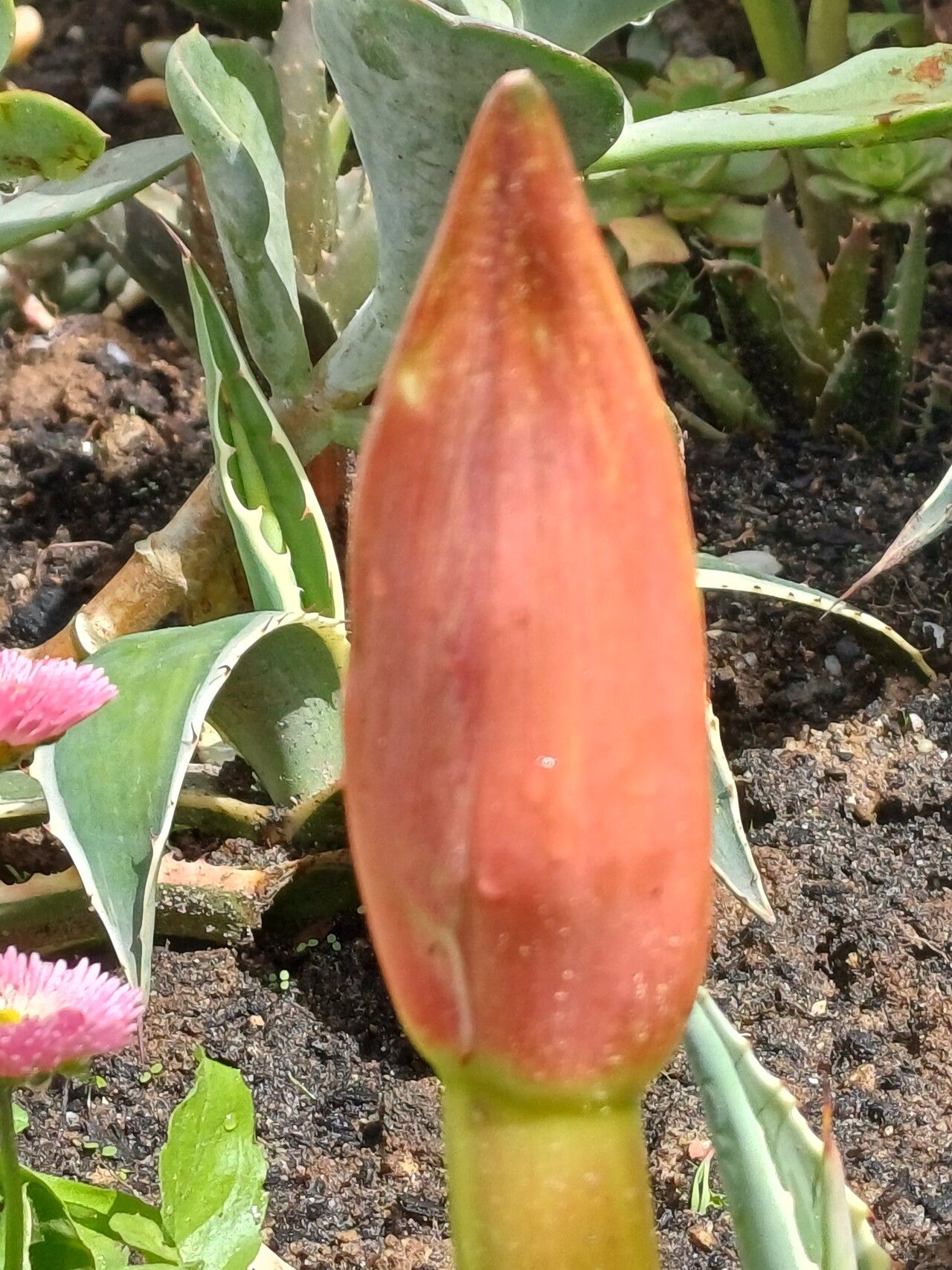
Oh, hello there! Let’s chat about one of my absolute favorites: the gorgeous Hippeastrum aulicum, often called the Royal Amaryllis. If you’re looking for a plant that shouts elegance with its magnificent blooms, this is it. Propagating it is incredibly rewarding, like giving the gift of beauty to yourself (and maybe a friend!). Now, for beginners, I’d say Hippeastrum aulicum leans a little more towards the “requires a touch of patience” side. It’s not unmanageable, but it’s not quite as forgiving as, say, a spider plant. But with a little know-how, you’ll be well on your way.
The Best Time to Start
For Hippeastrum aulicum, the sweet spot for propagation is after the plant has finished flowering and is actively growing. This usually falls in late spring or early summer. You want the bulb to have stored up plenty of energy from the sun and be bursting with life. Starting when the bulb is dormant, or just coming out of it, can be a gamble. Trust me, waiting for those green shoots to emerge is a good sign to get your hands dirty.
Supplies You’ll Need
Here’s what I always have on hand:
- Sharp, clean pruning shears or a sharp knife: For making clean cuts. Sterilize them with rubbing alcohol!
- Well-draining potting mix: I often use a blend specifically for bulbs or cacti and succulents. A good mix includes peat moss, perlite, and compost.
- Small pots or trays: About 4-6 inches wide.
- Rooting hormone (optional, but helpful): I like the powder kind.
- A small trowel or spoon: For scooping soil.
- Watering can with a fine rose: For gentle watering.
- Labels and a permanent marker: Essential for keeping track of what you’ve planted!
- A warm, bright location: Away from harsh direct sun when you first start.
Propagation Methods
Now, let’s get down to business! For Hippeastrum aulicum, the most reliable method I’ve found, especially for those impressive bulbs, is division. It’s essentially splitting apart the offsets or “baby bulbs” that grow around the mother bulb.
Here’s how I do it:
- Gently excavate: Once your Hippeastrum aulicum has finished flowering and the leaves are starting to fade (but aren’t completely withered), it’s time to carefully dig it up. Use your trowel or a gentle hand to loosen the soil around the base of the bulb. Lift the entire bulb cluster out of its pot.
- Inspect and separate: You’ll likely see smaller bulbs attached to the main one. Gently try to separate these offsets from the mother bulb. They should come away fairly easily. If there’s a stubborn attachment, a clean, sharp knife is your best friend here. Make a clean cut. You want each offset to have at least a small portion of its own base where roots will form.
- Let them breathe (optional but recommended): For a day or two, I like to let the separated offsets sit in a dry, airy spot, out of direct sunlight. This helps any cut surfaces to callous over, reducing the risk of rot.
- Planting time: Now, fill your small pots with your well-draining potting mix. Make a little well in the center.
- Rooting hormone (if using): Dip the base of each offset into your rooting hormone powder. Tap off any excess.
- Potting up: Place each offset in its pot, ensuring the top half of the bulb is exposed above the soil line. They shouldn’t be buried too deeply. The roots will grow downwards, and the new leaves will emerge from the top.
- Initial watering: Water gently but thoroughly. Give the soil a good soak.
- Find a cozy spot: Place your newly potted bulbs in a warm location with bright, indirect light. Avoid intense, direct sunlight, which can scorch the delicate new growth.
The “Secret Sauce” (Pro Tips)
I’ve learned a few things over the years that make a big difference:
- Give them space to grow: When you’re dividing, try to separate offsets that are at least half the size of the mother bulb. Tiny little dribbles are sometimes too weak to survive. Focus on the healthy, good-sized ones.
- Don’t overwater, but keep them moist: This is crucial! The soil should be kept consistently lightly moist, not soggy. I always recommend watering when the top inch of soil feels dry to the touch. Too much water is the quickest way to invite rot, and nobody wants that.
- Patience with the leaves: Don’t be alarmed if the leaves on the offset seem to droop or even die back a bit initially. This is normal as the bulb focuses its energy on developing new roots. Keep the soil consistently moist and wait. New growth will emerge from the center!
Aftercare & Troubleshooting
Once your Hippeastrum aulicum offsets are potted, continue to give them that bright, indirect light and consistent, but not excessive, watering. As they establish, you’ll start to see new leaves unfurling from the center of the bulb. This is your sign of success!
The most common problem you might encounter is rot. This usually happens if the soil stays too wet for too long, or if you’ve planted the bulb too deeply. You might notice the bulb turning mushy, developing dark spots, or the leaves can turn yellow and limp very quickly. If you see this, gently excavate the bulb and try to remove any rotted parts with a clean knife. You can try repotting it in fresh, dry, well-draining soil. Sometimes, if the rot is too advanced, it’s sadly beyond saving, but don’t be discouraged! It’s all part of the learning process.
A Little Encouragement
Propagating Hippeastrum aulicum is a wonderful way to multiply your bloom collection and share the joy of these stunning flowers. Remember to be patient, observe your plants, and trust your instincts. Every gardener has had their share of successes and… well, learning opportunities! Enjoy the journey, and soon you’ll be rewarded with your very own Royal Amaryllis babies. Happy gardening!
Resource: