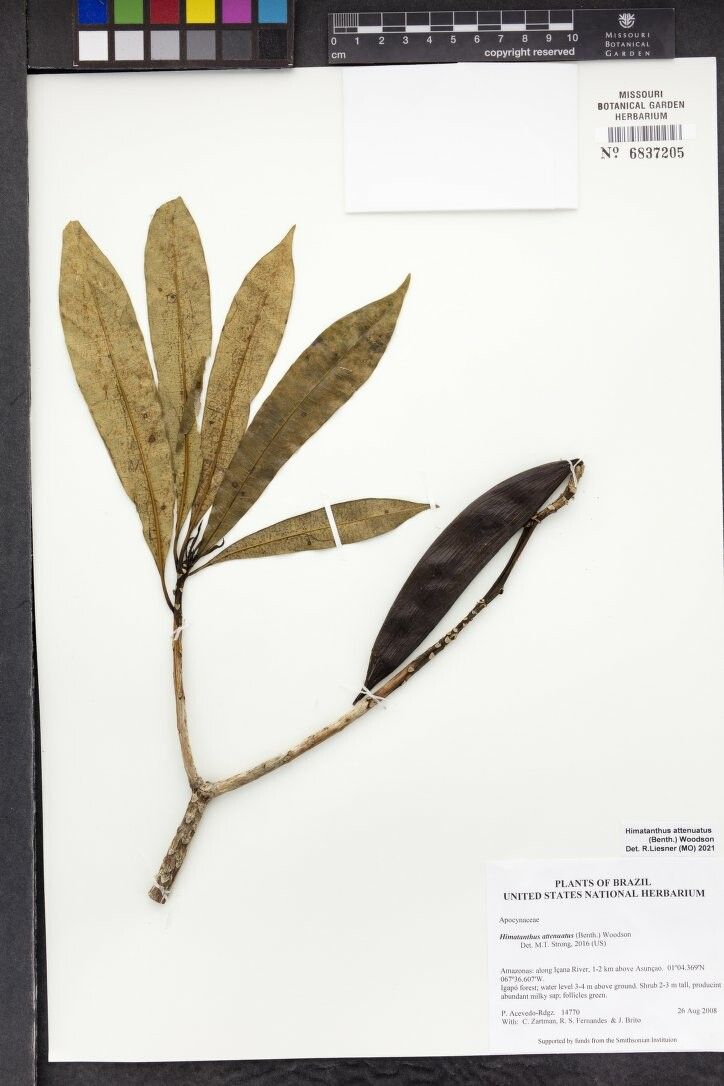
Hello there, fellow plant enthusiasts! It’s a joy to be back here, sharing a little bit of what I’ve learned over the years. Today, we’re diving into the wonderful world of Himatanthus attenuatus, sometimes called the “white angel” or the “suiná.” These beautiful shrubs boast those stunning, trumpet-shaped white flowers that just scream tropical paradise, don’t they? And the fragrance! Oh, it’s heavenly. Multiplying these beauties yourself is incredibly rewarding, letting you fill your garden or share the love with friends. Now, are they a breeze for absolute beginners? I’d say they’re moderately easy. With a little care and attention, you’ll be well on your way!
The Best Time to Start
For Himatanthus attenuatus, late spring or early summer is your sweet spot. Think about when the plant is actively growing, but before the intense heat of mid-summer really kicks in. This gives your cuttings plenty of time to establish roots in warmer soil temperatures before things cool down too much in the fall. Aim for a time when the plant has new, but not overly soft, growth.
Supplies You’ll Need
Gathering your tools beforehand makes the whole process smoother. Here’s what I usually have on hand:
- Sharp, clean pruning shears or a utility knife: For making precise cuts.
- Potting mix: A well-draining mix is crucial. I often use a blend of equal parts perlite, peat moss, and compost. For Himatanthus, adding a bit more perlite for aeration is a good idea.
- Small pots or seeding trays: Whatever you have available, as long as they have drainage holes.
- Rooting hormone (optional but recommended): A powdered hormone is effective.
- Spray bottle: For misting your cuttings.
- Clear plastic bags or domes: To create a humid environment.
- Labels and a marker: To keep track of what you’ve propagated.
Propagation Methods
Himatanthus attenuatus is most commonly and successfully propagated from stem cuttings. It’s straightforward, and I’ve had excellent luck with this method.
Stem Cuttings:
- Select Your Cuttings: Look for healthy, non-flowering stems on your established plant. You want stems that are firm but still have some flexibility, often referred to as “semi-hardwood.” Aim for cuttings that are about 4-6 inches long.
- Make the Cut: Using your clean pruning shears or knife, make a clean cut just below a leaf node. This is where the new roots are most likely to emerge.
- Prepare the Cutting: Remove the lower leaves from your cutting, leaving just a few at the very top. This prevents them from rotting once planted. If your cuttings are particularly long, you can even cut the larger remaining leaves in half to reduce water loss.
- Apply Rooting Hormone (Optional): If you’re using rooting hormone, lightly moisten the cut end of the stem and dip it into the powder. Tap off any excess.
- Plant Your Cuttings: Fill your pots or trays with your prepared potting mix. Make a hole in the center using a pencil or your finger. Insert the cut end of the stem into the hole, ensuring it’s snug. Gently firm the soil around the stem. You can usually fit 2-3 cuttings per pot, spaced a few inches apart.
- Water and Cover: Water the potting mix thoroughly until you see water draining from the bottom. Then, cover the pots with a clear plastic bag or a propagation dome. This creates a mini-greenhouse, keeping humidity high, which is vital for cuttings.
The “Secret Sauce” (Pro Tips)
Here are a few things I’ve learned that really boost success rates:
- Don’t let the leaves touch the soil or the water. If you’re doing water propagation (which I’ll touch on briefly), or even early in the process in soil, any submerged leaves will inevitably rot. Trim them off! For soil cuttings, make sure the remaining leaves are above the soil line.
- Bottom heat is a game-changer. If you have a heat mat designed for seedlings, placing your pots on it can significantly speed up root development. Himatanthus loves warmth, and this mimics those ideal summer soil temperatures.
- Take more than you think you need. Not every cutting will take, and that’s perfectly okay! I find that taking 5-10 cuttings gives me a much higher chance of success with a few strong new plants.
Aftercare & Troubleshooting
Once your cuttings are planted, the waiting game begins. Keep them in a bright, indirect light location. Avoid direct sun, which can scorch the young cuttings and dry out the plastic cover too quickly.
Check them regularly. You’ll want to mist the inside of the plastic cover if it looks dry, but avoid waterlogging the soil. If you see any signs of mold or rot on a cutting, remove it immediately to prevent it from spreading.
Roots typically start to appear in 4-8 weeks. You can gently tug on a cutting; if there’s resistance, you know roots are forming. Once you see good root development, you can gradually acclimate them to lower humidity by opening the plastic bag for longer periods over a week or two. Then, carefully transplant them into their own individual pots.
Watch out for these common issues: wilting can mean too little water or not enough humidity, while mushy, blackened stems usually indicate rot due to overwatering or poor drainage.
A Encouraging Closing
Propagating Himatanthus attenuatus is a wonderful way to connect more deeply with your plants and expand your collection. It takes a little patience, a dash of care, and the willingness to learn. Don’t be discouraged if not every cutting thrives – that’s just part of the gardening journey! Celebrate the successes, learn from any setbacks, and most importantly, enjoy the process of bringing new life into your garden. Happy planting!
Resource: