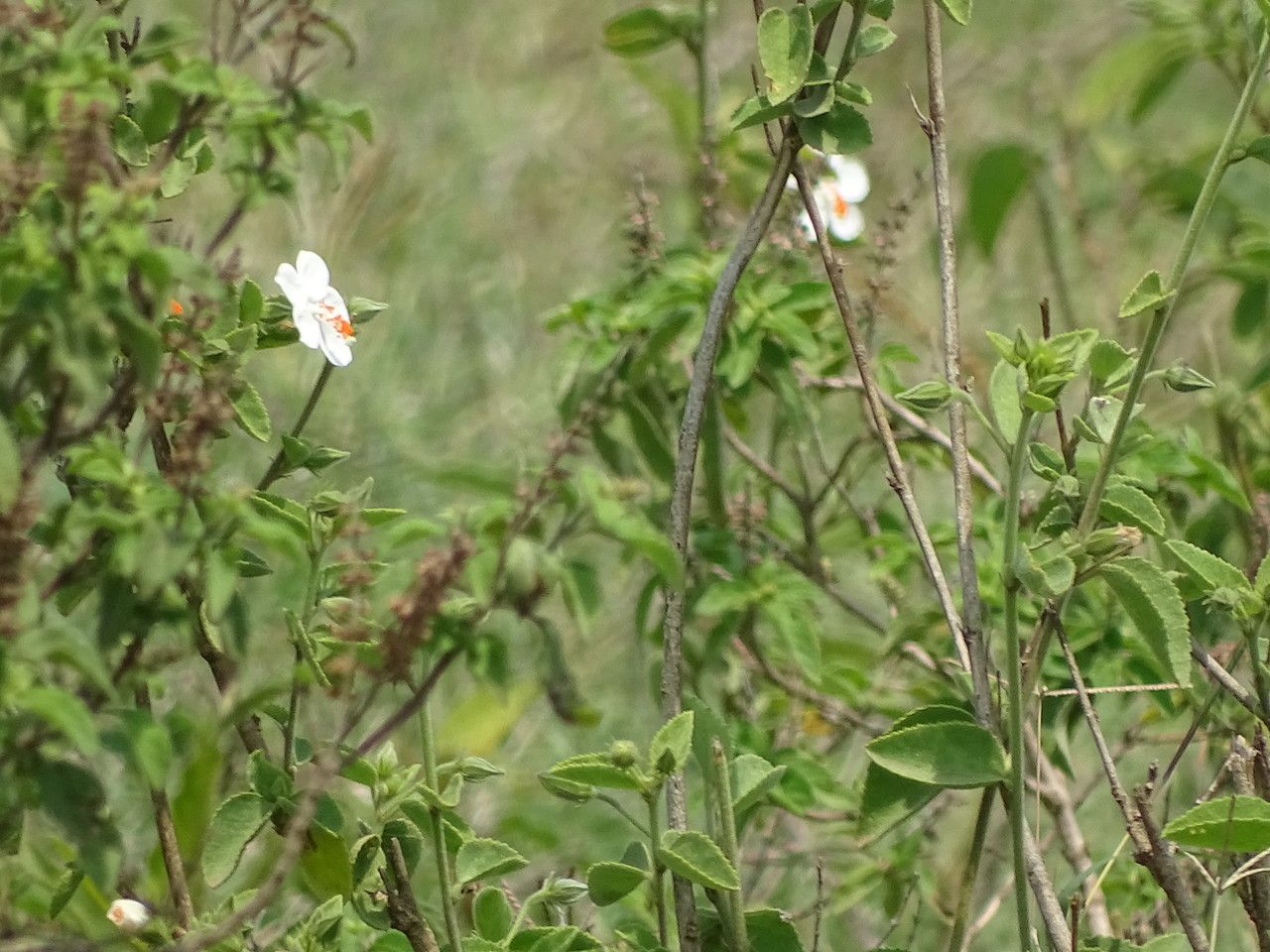
Hello fellow plant lovers! I’m so excited to talk to you today about a truly special hibiscus, Hibiscus flavifolius. If you’re like me, the charm of its bright, cheerful blooms, often with stunning yellow accents, has you captivated. And the best part? You can bring that joy into even more corners of your garden by propagating it yourself! Growing new plants from an existing favorite is one of the most rewarding things we can do as gardeners, and I find Hibiscus flavifolius to be a delightful plant to work with. While it’s not a complete beginner’s breeze, with a little guidance, you’ll find it quite manageable.
The Best Time to Start
When it comes to getting the most bang for your propagation buck, late spring through early summer is your golden window. This is when your Hibiscus flavifolius is in its most vigorous growth phase, meaning it’s full of energy and ready to make new baby plants. You want to be taking cuttings from healthy, actively growing stems, not woody old branches.
Supplies You’ll Need
Gathering a few key items before you start will make the whole process smoother. Here’s what I usually have on hand:
- Sharp Pruning Shears or a Hobby Knife: For clean cuts that heal well.
- Rooting Hormone (Optional, but Recommended): A little boost can make a big difference. Look for one with IBA (Indole-3-butyric acid).
- Well-Draining Potting Mix: A good blend of peat moss, perlite, and a little compost works beautifully. You can also buy specialized propagation mixes.
- Small Pots or Seedling Trays: Clean containers are essential to prevent disease.
- Plastic Bags or a Clear Dome: To create a mini-greenhouse effect.
- Watering Can with a Fine Rose: For gentle watering.
- Rubbing Alcohol: To sterilize your tools between cuts.
Propagation Methods
My favorite way to multiply Hibiscus flavifolius is through stem cuttings. It’s tried and true!
Stem Cuttings:
- Select Your Cuttings: Look for healthy, non-flowering stems that are about 6-8 inches long. You want stems that are somewhat firm but still flexible – not too soft and not too woody. Using your sterilized pruning shears, make a cut just below a leaf node (where a leaf attaches to the stem).
- Prepare the Cuttings: Gently remove the lower leaves, leaving just 2-3 leaves at the top. If space is tight on the remaining leaves, you can trim them in half horizontally. This reduces water loss.
- Apply Rooting Hormone (If Using): Dip the cut end of the stem into your rooting hormone powder or gel. Tap off any excess.
- Plant Your Cuttings: Fill your small pots or seedling trays with your prepared potting mix. Make a hole in the center with your finger or a pencil. Gently insert the cutting, ensuring the leaf nodes you removed are below the soil surface. Firm the soil gently around the stem.
- Water and Cover: Water the soil thoroughly but gently. Then, place the pot inside a clear plastic bag, or cover your tray with a clear dome. This humidity is crucial for rooting. Make sure the leaves don’t touch the plastic.
The “Secret Sauce” (Pro Tips)
Here are a couple of things I’ve learned over the years that really give your cuttings a leg up:
- The Bottom Heat Trick: If you have them handy, placing your potted cuttings on a heat mat designed for seedlings can dramatically speed up root formation. The gentle warmth from below encourages the plant to expend energy on rooting rather than just surviving.
- Watch for the “Green Up”: Once your cuttings have been in their humid environment for a couple of weeks, you’ll start to notice them looking perkier and greener. This is a great sign that they’re not only surviving but starting to establish themselves. It’s a lovely visual cue to keep an eye on!
Aftercare & Troubleshooting
Once you see new growth appearing on your cuttings, or if you gently tug on a stem and feel resistance, that’s your cue that roots are forming!
- Acclimate Slowly: Gradually remove the plastic bag or dome over a few days. Start by removing it for an hour or two each day, then extending the time until the plant is fully exposed.
- Watering: Continue to water when the top inch of soil feels dry. Avoid overwatering, as this is the most common cause of failure.
- Troubleshooting Rot: If you see stems turning mushy or black at the soil line, that’s a sign of rot. Unfortunately, this is usually fatal. The best preventative is to ensure excellent drainage and avoid overwatering in the first place. If you catch it early on one cutting, remove it immediately to prevent it from spreading.
A Little Patience Goes a Long Way
Propagating plants is a beautiful dance with nature. Don’t be discouraged if every single cutting doesn’t take. Some simply don’t make it, and that’s okay. Keep experimenting, keep observing, and most importantly, enjoy the process of nurturing new life. Soon, you’ll have a whole new collection of these gorgeous blooms to share! Happy gardening!
Resource:
https://identify.plantnet.org/k-world-flora/species/Hibiscus%20flavifolius%20Ulbr./data