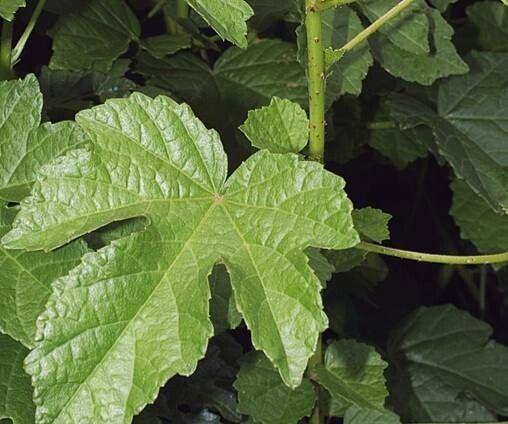
Hello, fellow garden enthusiasts! I’m so excited to chat with you today about one of my absolute favorite tropical beauties: the Hibiscus diversifolius. If you’ve ever seen its vibrant, often unique blooms gracing a garden, you know exactly why it captures our hearts. And the best part? Bringing more of these beauties into your life is incredibly rewarding through propagation. Don’t worry, it’s not as daunting as it might sound. While Hibiscus diversifolius can be a tad more particular than your common garden hibiscus, I find it’s a fantastic project for beginners willing to give it a little extra attention.
The Best Time to Start
For the highest success rate with Hibiscus diversifolius, I’ve found that early to mid-spring is your sweet spot. This is when the plant is really waking up from its winter rest and has that energetic push of new growth. You’re looking for stems that are semi-hardwood – they should be firm but still have a bit of flexibility. Avoid the floppy, brand-new green tips or the really woody, mature stems.
Supplies You’ll Need
Gathering your tools beforehand makes the whole process smoother. Here’s what I always have on hand:
- Sharp Pruning Shears or a Knife: Clean cuts are crucial for preventing disease.
- Rooting Hormone: This is a real game-changer! I prefer a powder form for stem cuttings.
- Potting Mix: A well-draining mix is paramount. I usually combine equal parts peat moss or coir, perlite, and a little bit of compost.
- Small Pots or Trays: Clean containers are a must. Yogurt cups with drainage holes poked in the bottom work in a pinch!
- Clear Plastic Bags or Domes: To create a humid environment.
- Watering Can with a Fine Rose: Gentle watering is key.
- Labels and a Marker: Don’t forget to label your precious cuttings!
Propagation Methods
Let’s get our hands dirty! I tend to have the best luck with stem cuttings for Hibiscus diversifolius.
Stem Cuttings:
- First, find a healthy parent plant. Select a stem that’s about pencil thickness and has at least 3-4 nodes (the little bumps where leaves grow).
- Using your sharp shears, make a clean cut just below a node. You want your cuttings to be about 4-6 inches long.
- Gently remove the lower leaves. You can leave 1-2 sets of leaves at the top, but pinch off any that might fall below the soil line later. If the remaining leaves are really large, you can even cut them in half to reduce water loss.
- Now for the magic! Dip the cut end into your rooting hormone. Tap off any excess.
- Carefully insert the treated end into your prepared potting mix. Make sure the lower nodes are buried.
- Gently water the soil until it’s evenly moist, but not soggy.
- Cover the pot with a clear plastic bag or dome to create that lovely humid microclimate. Pop it onto a bright windowsill, but out of direct, harsh sunlight.
The “Secret Sauce” (Pro Tips)
After years of coaxing these beauties, I’ve learned a few tricks that make all the difference:
- Bottom Heat is Your Friend: If you have a heating mat designed for seedlings, place your pots on it. This gentle warmth from below encourages root development like nothing else. It absolutely speeds things up!
- Don’t Drench, Just Dampen: I’ve seen too many cuttings succumb to rot simply because the soil was too wet. The goal is consistently damp, not waterlogged. Check the soil moisture by gently pressing your finger in; if it feels dry, give it a light watering.
- Patience, Dear Gardener, Patience! Don’t be tempted to yank your cuttings out after a week to check for roots. Give it at least a month, sometimes longer, before you gently tug. If you feel resistance, you’ve got roots!
Aftercare & Troubleshooting
Once you see signs of new growth – tiny leaves unfurling or that gentle resistance when you tug – congratulations! Your cutting is likely rooted.
Now, the key is to gradually acclimatize your new plant to normal conditions. If it’s still under a bag, start by lifting the bag for a few hours each day. Slowly, over a week or so, remove it entirely. Continue to water when the top inch of soil feels dry.
The most common sign of trouble is wilting or yellowing leaves, which can indicate rot if the soil is too wet. If you see mushy stems or blackening at the base, it’s usually a sign of overwatering and poor drainage. Unfortunately, if rot sets in, the cutting is usually a goner. But don’t despair! Simply discard the failed cutting and try again, perhaps with a slightly drier mix or less frequent watering.
A Encouraging Closing
Propagating Hibiscus diversifolius is a journey, not a race. There will be times of great success, and perhaps a few learning experiences along the way. The satisfaction of watching a tiny cutting transform into a flowering plant you nurtured yourself is simply unparalleled. So, grab your shears, mix up some soil, and give it a go. Enjoy the process, celebrate every new leaf, and soon you’ll be rewarded with your very own homegrown tropical spectacle! Happy gardening!
Resource:
https://identify.plantnet.org/k-world-flora/species/Hibiscus%20diversifolius%20Jacq./data