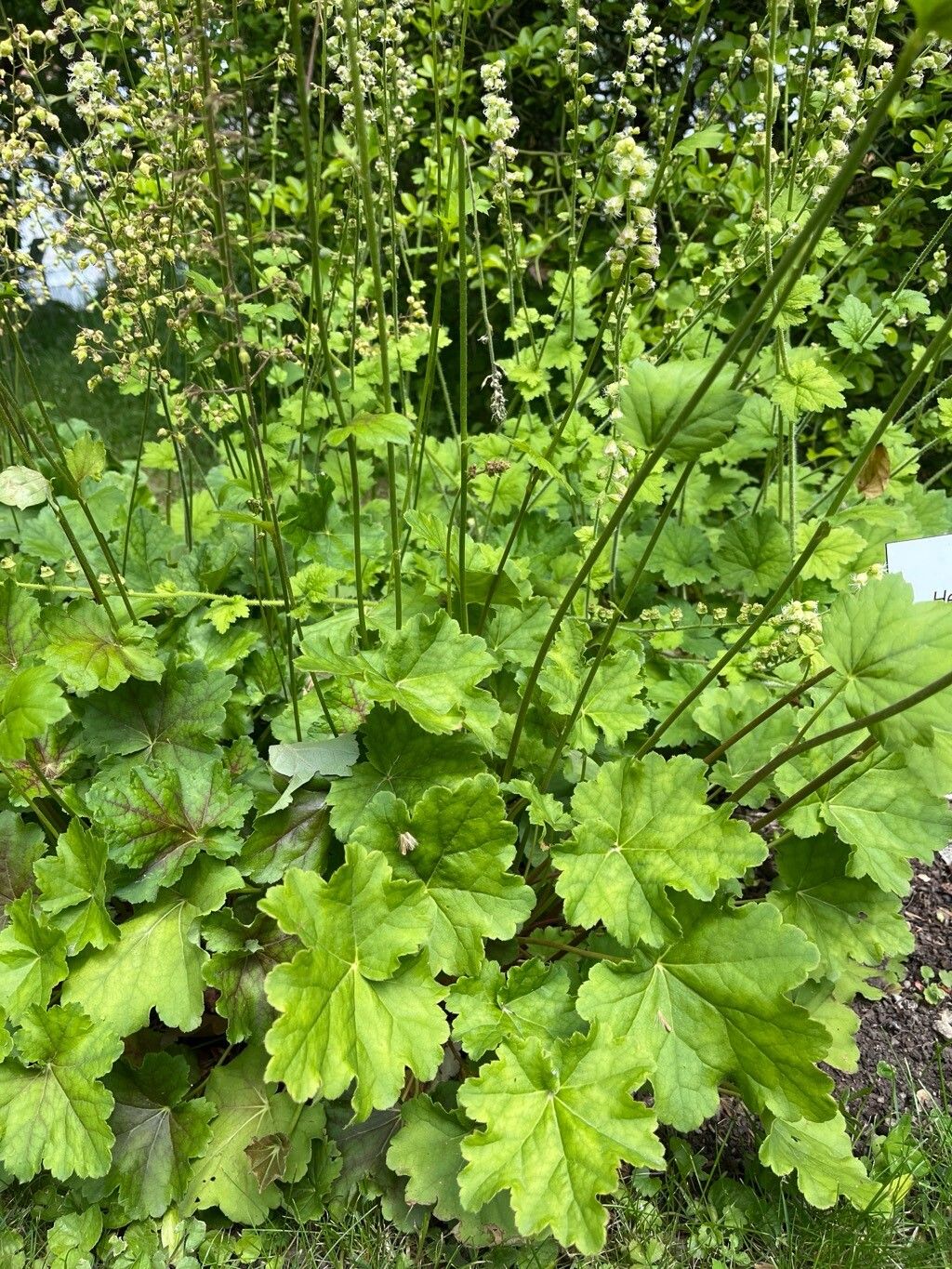
Oh, Heucheras! Aren’t they just the prettiest little things? Their foliage alone is enough to make a gardener swoon, with colors ranging from deep purples and rusty oranges to lime greens and silvery blues. And the delicate little flower spikes that float above are just the icing on the cake. If you’ve fallen in love with a particular Coral Bell or Alumroot variety like Heuchera elegans, you’re in luck! Propagating them is a wonderful way to expand your collection, share with garden friends, or just fill in those empty spots. Good news for beginners: Heucheras are quite forgiving, and most propagation methods are surprisingly straightforward.
The Best Time to Start
Generally, the sweet spot for propagating Heucheras is late spring to early summer. This is when the plant is in full, vigorous growth after the chill of winter has passed. You want to catch them when they’re actively producing new shoots and energy. Trying to propagate from dormant plants can be a bit like pulling teeth – it’s much harder to get them going.
Supplies You’ll Need
Gathering your tools before you begin makes the whole process much smoother. Here’s what I usually have on hand:
- Sharp, clean pruning shears or a sharp knife: A clean cut is crucial to prevent disease.
- Rooting hormone (powder or gel): This is optional but can give your cuttings a little boost.
- Small pots or a seed starting tray: Something with drainage holes is a must.
- Well-draining potting mix: A good blend for me is equal parts peat moss (or coco coir), perlite, and a bit of compost. You can also buy commercially available seed starting mixes.
- Spray bottle: For keeping things moist.
- Plastic bags or a propagation dome: To create a humid microclimate.
- Labels: Trust me, you’ll thank yourself later for labeling your creations!
Propagation Methods
Heucheras are wonderfully versatile, and a couple of methods work exceptionally well.
Division (My Favorite for Established Plants)
This is the easiest and most effective way to propagate mature Heuchera plants, especially if yours is getting a bit large or leggy. It’s best done in early spring just as new growth is appearing.
- Gently dig up the entire plant. Be careful not to damage the roots.
- Shake off excess soil so you can see the root structure and where the plant is naturally dividing at the crown.
- Carefully pull or cut the plant apart into smaller sections. Each section should have a healthy cluster of roots and at least one or two leafy shoots. For stubborn clumps, a clean spade or knife can be used to slice through the root ball.
- Replant the divisions immediately into your prepared pots filled with that lovely well-draining mix. Make sure the crown (where the leaves emerge from the roots) is at soil level, not buried too deeply.
- Water thoroughly and keep them in a shaded spot until they establish.
Stem Cuttings (Great for Boosting Your Collection)
This method is perfect for when you want to take smaller pieces from a favorite plant and create new ones.
- Select a healthy stem that has new growth. Look for a stem that’s about 3-5 inches long.
- Make a clean cut just below a leaf node using your sharp shears or knife. A leaf node is where a leaf attaches to the stem – this is where roots will form.
- Remove the lower leaves from the cutting, leaving just the top few. If the leaves are very large, you can even cut them in half to reduce water loss.
- Dip the cut end into rooting hormone if you’re using it. Tap off any excess.
- Insert the cutting into your pot filled with the moist potting mix. Make a small hole with a pencil or your finger to avoid rubbing off the rooting hormone.
- Gently firm the soil around the stem.
- Water lightly to settle the soil.
- Create a humid environment. Cover the pot with a plastic bag, a propagation dome, or place it in a clear plastic container. Ensure the leaves don’t touch the plastic if possible.
- Place the pot in a bright location, but out of direct sunlight. Too much sun will scorch those tender cuttings.
The “Secret Sauce” (Pro Tips)
Here are a couple of little tricks I’ve picked up over the years that really make a difference:
- Don’t let the leaves touch the water (if you ever try water propagation, which I don’t recommend for Heucheras as much, but as a general rule): This is especially important for cuttings. Any leaves submerged in water are prime candidates for rot. Remove lower leaves to keep them out of the soil or away from any standing water.
- Bottom heat is your friend! If you’re doing cuttings, placing the pots on a seedling heat mat can significantly speed up root formation. It mimics the warmth of a greenhouse and gives those roots a cozy place to start developing.
- Mist generously, but don’t drown. Cuttings and divisions need consistent moisture, but they don’t like to sit in soggy soil. A light misting from your spray bottle a couple of times a day is usually enough to keep the humidity up without waterlogging.
Aftercare & Troubleshooting
Once your divisions or cuttings have roots (you’ll see new growth, or you can gently tug on a cutting to feel resistance), it’s time to treat them like precious new babies.
- Gradually acclimate them to normal conditions by slowly opening up the plastic cover over a few days.
- Continue to water them consistently. Keep the soil moist but not soggy.
- Once they’re well-established and showing good new growth, you can transplant them into slightly larger pots or their permanent garden locations.
The main thing to watch out for is rot. If your cuttings look like they’re wilting and the stem feels mushy or discolored at the soil line, it’s likely rot. This usually happens due to overwatering or poor drainage. Unfortunately, a rotted cutting is usually a goner. Don’t get discouraged, though! Just try again with fresh material and ensure your setup has good airflow and drainage.
A Encouraging Closing
Propagating Heucheras is such a rewarding experience. It’s a way to connect with your plants on a deeper level, and there’s a special joy in nurturing a tiny cutting into a thriving plant. Be patient with the process. Sometimes it takes a little longer than you expect, but the success is so worth it. Happy gardening!
Resource:
https://identify.plantnet.org/k-world-flora/species/Heuchera%20elegans%20Abrams/data