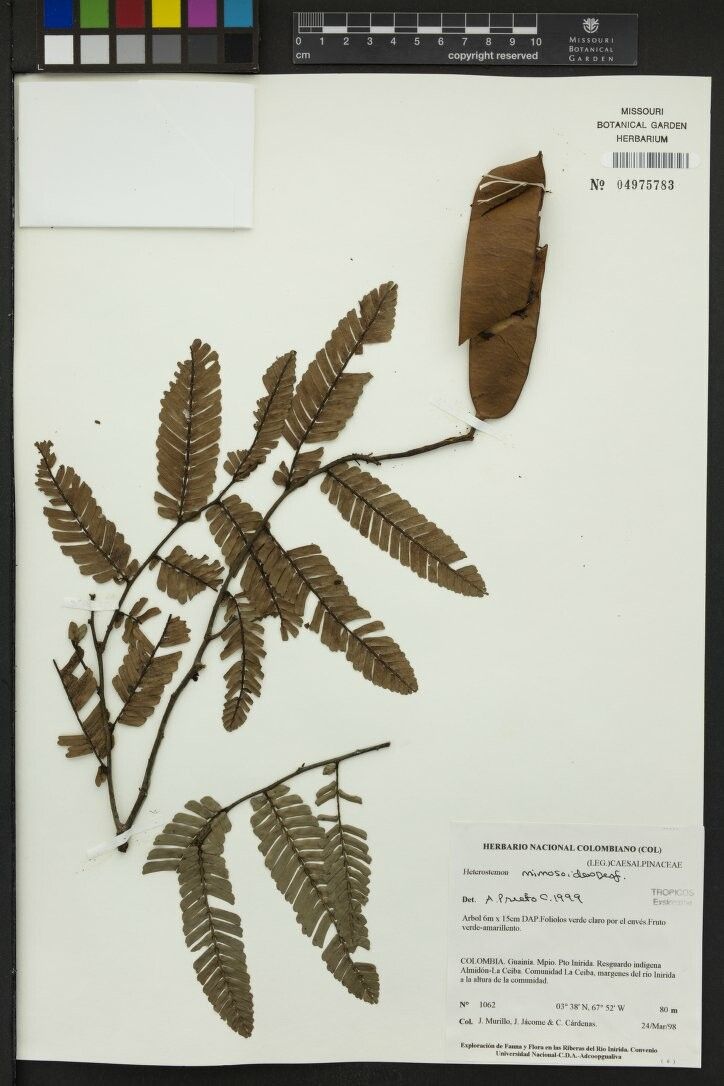
Hello fellow garden enthusiasts! Today, I want to chat about a plant that has a special place in my heart: Heterostemon mimosoides. You might know it by its common name, which often refers to its delicate, fern-like foliage that resembles a mimosa, but with a cascade of gorgeous, pea-like blooms. It’s truly a showstopper.
Propagating Heterostemon mimosoides is such a rewarding endeavor. There’s a unique joy in taking a piece of a beloved plant and nurturing it into its own vibrant life. While it might seem a little intimidating at first, I assure you, with a bit of know-how, you’ll be well on your way to success. It’s not the absolute easiest plant for a complete beginner, but it’s definitely achievable with a little patience.
The Best Time to Start
For the highest success rate, spring is your absolute best friend when it comes to propagating Heterostemon mimosoides. This is when the plant is really waking up from dormancy and has that vigorous new growth that readily takes root. I usually start my propagation efforts right after the last frost has passed, when things are warming up nicely.
Supplies You’ll Need
Here’s what you’ll want to have on hand:
- Sharp, clean pruning shears or a sharp knife: For taking clean cuts.
- Rooting hormone (optional, but recommended): A powder or gel formulation.
- Well-draining potting mix: A mix specifically for cuttings, or you can create your own blend of perlite, peat moss, and a little bit of compost.
- Small pots or seed trays: With drainage holes, of course!
- Plastic bags or a propagation dome: To create a humid environment.
- Water: For keeping things moist.
- Bottom heat (optional, but helpful): A seedling heat mat can speed things up.
Propagation Methods
I find that stem cuttings are the most reliable way to go for Heterostemon mimosoides. Here’s how I do it:
- Select your cuttings: Look for healthy, non-flowering stems that are about 4-6 inches long. They should be flexible but not too soft. Pinch off any lower leaves that will be below the soil line.
- Make the cut: Using your clean shears or knife, make a clean cut just below a leaf node (where a leaf attaches to the stem). This is where the magic of rooting happens!
- Apply rooting hormone: Dip the cut end into your rooting hormone, tapping off any excess. This helps to encourage root development.
- Plant the cuttings: Fill your small pots or trays with your well-draining potting mix and moisten it slightly. Make a small hole with your finger or a pencil and insert the cutting, ensuring the node is buried. Gently firm the soil around the stem.
- Create humidity: Water your soil lightly again. Then, cover the pots with a clear plastic bag or a propagation dome. This traps moisture and creates the humid environment the cuttings need to thrive.
The “Secret Sauce” (Pro Tips)
Here are a couple of things I’ve learned over the years that can really make a difference:
- When you’re propagating in water (if you choose to try that variation), make absolutely sure no leaves are touching the water. They will rot and can take your whole cutting down with them. Only the stem should be submerged.
- If you have a seedling heat mat, using it under your pots can significantly speed up the rooting process. Heterostemon mimosoides likes a bit of warmth to get those roots going.
Aftercare & Troubleshooting
Once your cuttings are planted, the key is to keep the soil consistently moist but not waterlogged. Check the humidity inside the plastic bag – you should see some condensation. If it looks dry, give it a light misting.
You’ll know your cuttings have rooted when you see new leaf growth and gently tug on the stem to feel some resistance. This usually takes anywhere from 4-8 weeks, sometimes longer. When you see good root development, you can gradually acclimate them to open air by opening the bag a little more each day over a week.
The most common sign of trouble is rot. If your cuttings turn black or mushy, unfortunately, they’re likely gone. This usually happens due to too much moisture and poor air circulation. Don’t get discouraged if a few don’t make it! It’s part of the learning process.
A Encouraging Closing
Propagating plants is a journey, and with Heterostemon mimosoides, it’s a beautiful one. Be patient with your little charges. Observe them, give them what they need, and celebrate those tiny roots when they appear! Happy gardening!
Resource:
https://identify.plantnet.org/k-world-flora/species/Heterostemon%20mimosoides%20Desf./data