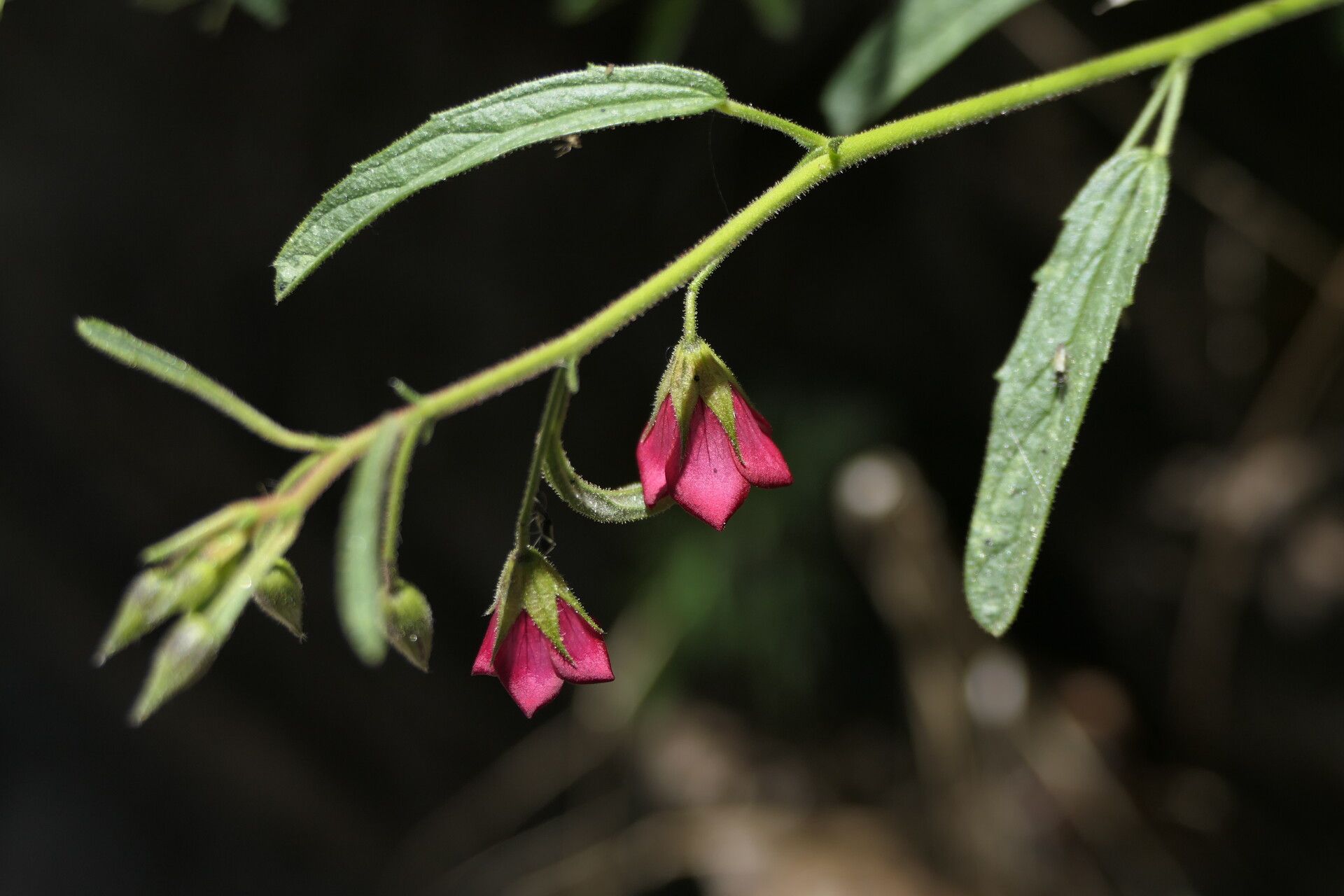
Oh, have I got a treat for you today! We’re going to talk about a plant that I’ve absolutely fallen in love with over the years: Hermannia affinis. If you haven’t met this beauty yet, imagine little bursts of cheerful yellow flowers, often with a delicate, sweet fragrance, that just keep on blooming. It’s a Southern Hemisphere native, and frankly, it deserves a spot in more gardens and homes. And the best part? It’s quite rewarding to multiply, letting you share its charm or simply expand your collection without breaking the bank.
Now, let’s get down to brass tacks. For beginners, I’d say Hermannia affinis is moderately easy to propagate. It’s not shy about putting out roots with a little encouragement, but you do need to pay attention to a few key things. With a bit of care, you’ll be well on your way to a whole new troop of these lovely plants.
The Best Time to Start
For the highest success rate with Hermannia affinis, I always aim for late spring or early summer. This is when the plant is actively growing and has plenty of energy to dedicate to forming new roots. You want to take cuttings from stems that are firm and have a bit of a woody base, but are still quite pliable. Avoid anything too soft and green, or anything that’s already flowering heavily. Think healthy, vigorous growth – that’s your golden ticket.
Supplies You’ll Need
Gathering your tools beforehand makes the whole process feel much smoother, doesn’t it? Here’s what I always have on hand:
- Sharp, clean pruning shears or a sharp knife: This is non-negotiable for clean cuts.
- Rooting hormone (optional but recommended): A powder or gel form works wonderfully.
- A well-draining potting mix: I like a blend of equal parts perlite, peat moss, and compost. You can also buy specific “seedling and cutting” mixes.
- Small pots or seed trays: Make sure they have drainage holes!
- Watering can with a fine rose or a spray bottle: For gentle watering.
- Plastic bags or a propagation propagator: To create a humid environment.
- Labels and a pen: For keeping track of what you’ve done.
Propagation Methods
Let’s dive into the nitty-gritty of how we’ll bring new Hermannia affinis babies to life!
Stem Cuttings
This is my go-to method for Hermannia affinis, and it’s usually the most successful.
- Take Your Cuttings: Select a healthy stem that’s about 4-6 inches long. Make a clean cut just below a leaf node. A leaf node is where a leaf attaches to the stem; this is where roots are most likely to form. Remove the lower leaves, leaving just a few at the top.
- Apply Rooting Hormone: If you’re using rooting hormone, dip the cut end into the powder or gel. Tap off any excess.
- Plant Your Cuttings: Fill your small pots with your prepared potting mix. Make a small hole in the center with your finger or a pencil. Gently insert the cutting into the hole, making sure the leaf nodes are below the soil surface. Firm the soil gently around the base of the cutting.
- Water and Cover: Water the cuttings gently until the soil is moist but not waterlogged. Cover the pots loosely with a plastic bag or place them in a propagator to create a humid environment. You can prop the bag up with a few skewers so it doesn’t touch the leaves.
- Finding a Spot: Place the pots in a bright spot with indirect light. Avoid direct sun, as this can scorch the delicate cuttings.
Water Propagation (for the less adventurous)
While I prefer soil, you can try water propagation as a visual way to see the roots develop.
- Prepare Your Cuttings: Follow steps 1 from the stem cuttings section, but omit the rooting hormone.
- Place in Water: Pop your cuttings into a jar or glass of clean water. Make sure the leaf nodes are submerged, but crucially, keep the leaves themselves out of the water. This prevents rot.
- Change Water Regularly: Change the water every few days to keep it fresh and oxygenated.
- Wait for Roots: You’ll start to see little white nubs forming at the nodes. Once these roots are about an inch long, it’s time to carefully transplant them into soil as described above.
The “Secret Sauce” (Pro Tips)
Here are a few things I’ve learned over the years that can really boost your success:
- My absolute favorite trick is to use bottom heat. A gentle, constant warmth from below really encourages root formation. A heated propagator mat is ideal, but even placing your pots on top of a fridge can provide enough subtle warmth. It makes a noticeable difference!
- When taking cuttings, don’t just grab any old stem. Look for what I call “tip growth” – stems that are clearly putting on new, vigorous growth. These have the most energy.
- If you’re using a plastic bag for humidity, open it up for an hour or so every couple of days for some fresh air. This helps prevent fungal issues, which can be the bane of a propagator’s existence!
Aftercare & Troubleshooting
Once you start seeing those beautiful, new roots emerging from the drainage holes or the first signs of new leaf growth, it’s a cause for celebration!
- Gradual Acclimation: When roots are well-established, it’s time to gradually remove the plastic cover over a week or two. Start by leaving it off for a few hours a day, then longer periods. This helps the new plant adjust to normal humidity levels.
- Potting Up: Once the new plant is sturdy and has a good root system, you can pot it up into a slightly larger container with fresh, well-draining potting mix.
- Common Signs of Failure: The most common issue is rot, which usually appears as a mushy, black stem. This is often caused by overwatering or lack of air circulation. If you see this, sadly, the cutting is likely lost. Another sign is wilting and yellowing leaves without any new growth, which can indicate insufficient humidity, poor light, or a problem with the roots.
A Encouraging Closing
Propagating plants is a journey, and sometimes a bit of trial and error is part of the fun. Be patient with your Hermannia affinis cuttings. Give them the right conditions, and before you know it, you’ll have a whole new generation to enjoy. Happy gardening, and may your cuttings all strike gold!
Resource: