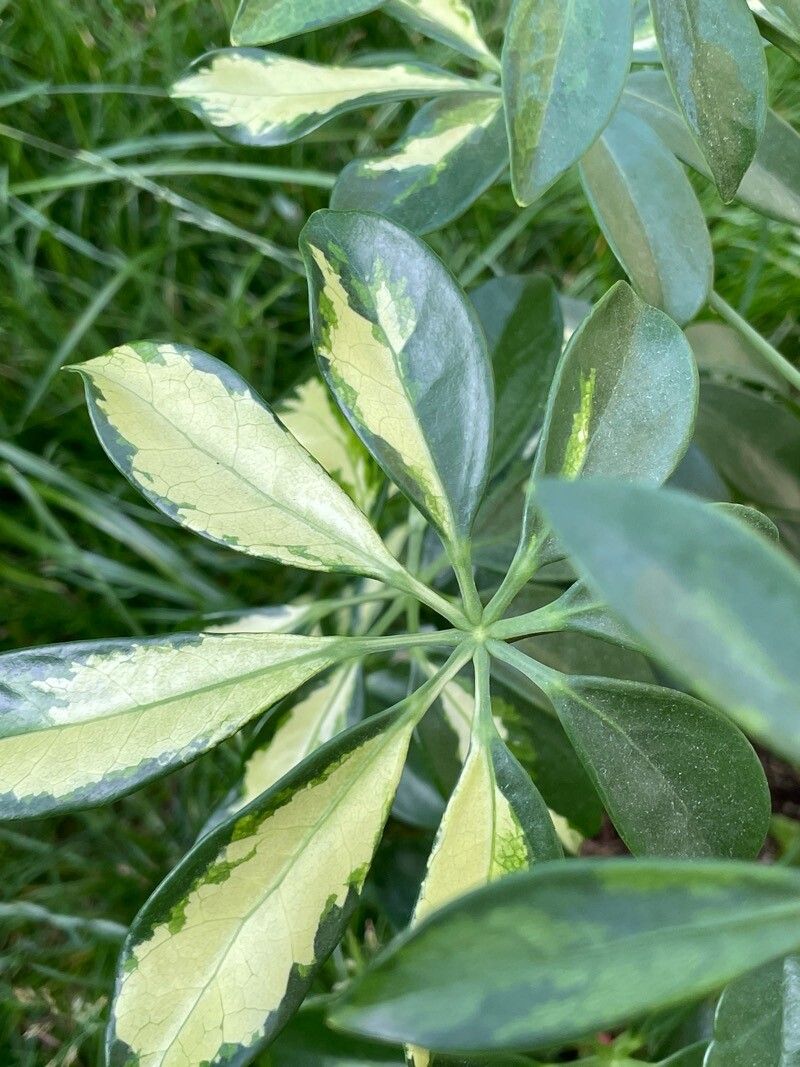
Oh, hello there, fellow plant lover! It’s so lovely to have you join me today. We’re going to dive into the wonderful world of propagating Heptapleurum arboricola, also commonly known as the Dwarf Schefflera or Umbrella Tree. If you’ve ever admired these beauties with their glossy, divided leaves, you’re in for a treat.
Why Propagate Heptapleurum?
There’s something truly magical about taking a piece of a plant you love and coaxing it into a whole new life. With Heptapleurum arboricola, it’s not just rewarding, it’s surprisingly accessible. If you’re new to the plant scene, you’ll be happy to hear this gem is pretty forgiving. I’ve found it to be a fantastic plant for beginners looking to dip their toes into propagation. Plus, imagine filling your home with more of those lovely, architectural plants, or sharing them with friends – it’s the ultimate green gift!
When Should You Get Started?
The absolute best time to take cuttings from your Heptapleurum arboricola is during its active growing season. This typically means late spring through summer. When the plant is buzzing with life, it’s much more likely to put its energy into producing roots. You can also have success in early fall, but I find the summer months give the best, most vigorous results. Look for stems that are firm and developing new leaves.
What You’ll Need for Success
Gathering your supplies beforehand makes the whole process smoother. Here’s what I’ve found essential:
- Sharp Pruning Shears or a Craft Knife: Clean cuts are crucial to prevent disease. Make sure they’re sterilized.
- Rooting Hormone (Optional but Recommended): A little boost can significantly increase your success rate. I like the powdered kind.
- Potting Mix: A well-draining mix is key. I often use a blend of peat moss or coco coir with perlite or coarse sand. About a 50/50 ratio works wonders.
- Small Pots or Seed Starting Trays: Clean containers with drainage holes are a must.
- Plastic Bag or Clear Dome: This creates a humid microclimate for your cuttings.
- Watering Can with a Fine Rose: Gentle watering is important.
Methods for Making More Heptapleurum
There are a couple of ways to go about this, and both are quite effective.
Stem Cuttings: My Go-To Method
This is probably the most common and successful method for Heptapleurum arboricola.
- Find Your Source: Look for a healthy, actively growing stem. You want a piece that’s about 4-6 inches long and has at least a couple of leaf nodes (where the leaves attach to the stem). Avoid woody, old stems or very soft, new growth.
- Make the Cut: Using your sterilized shears or knife, make a clean cut just below a leaf node. This is where the magic happens – where root initiation is most likely.
- Prepare the Cutting: Gently remove the lower leaves from the cutting, leaving just a couple of leaves at the top. This reduces moisture loss. If your leaves are very large, you can even cut them in half horizontally to further minimize water needs.
- Dip in Rooting Hormone (If Using): Lightly dip the cut end of the stem into your rooting hormone, tapping off any excess.
- Plant Your Cutting: Fill your small pot with your prepared, moistened potting mix. Make a hole in the center with your finger or a pencil and insert the cutting. Gently firm the soil around the stem to ensure good contact.
- Create a Humid Environment: Water the soil lightly. Then, cover the pot with a clear plastic bag, secured with a rubber band, or place it under a clear dome. Ensure the bag doesn’t touch the leaves if possible, as this can trap moisture and lead to rot.
- Find a Good Spot: Place the pot in a warm location that receives bright, indirect light. Avoid direct sun, which can scorch your cuttings.
Water Propagation: A Transparent Approach
While stem cuttings in soil are my favorite for Heptapleurum arboricola, propagating in water is super satisfying to watch!
- Take Your Cutting: Follow steps 1-3 from the stem cutting method above.
- Place in Water: Snip off any lower leaves and place the cutting in a clear glass or jar filled with clean water. Make sure the leaf nodes are submerged, but don’t let the leaves themselves touch the water. This is important to prevent rot.
- Find a Spot: Just like with soil propagation, place the jar in a warm spot with bright, indirect light.
- Change the Water: Change the water every few days to keep it fresh and prevent bacterial growth.
The “Secret Sauce”: Insider Tips from the Greenhouse
You know, after years of getting my hands dirty, a few little tricks have just become second nature. Here are a couple of my best tips for Heptapleurum arboricola propagation:
- Bottom Heat is Your Friend: If you have the option, placing your pots on a heat mat designed for seedlings can make a world of difference. Heptapleurum loves warmth to encourage root development. It’s like giving your cutting a warm hug from below!
- Don’t Rush to Pot Up: When you see decent roots forming (about an inch long for water propagation, or when you gently tug and feel resistance in soil), hold off for just a little longer. Let the root system establish itself a bit more. This makes the transition from the propagation environment to its new pot much less stressful for the little fella.
Aftercare and What to Watch For
Once you see those beautiful roots appearing, it’s time to nurture your new plant!
- For Cuttings in Soil: Gradually remove the plastic cover over a few days to help the plant acclimate to lower humidity. Water when the top inch of soil feels dry.
- For Cuttings in Water: Once you see roots about an inch or two long, it’s time to pot them up. Gently transfer the cutting to a pot with your well-draining potting mix, just as you would a cutting taken directly into soil. Water thoroughly after planting.
Troubleshooting: The most common issue you’ll face is rot. If your stem turns mushy and black, or the leaves start to yellow and fall off before rooting, it’s likely a sign of too much moisture and not enough air circulation. Make sure your soil is well-draining, and don’t overwater. If a cutting rots, unfortunately, it’s best to discard it and try again, perhaps with a fresh cutting from a different parent plant.
Keep Growing, Keep Nurturing
Propagating plants is a beautiful dance between patience and observation. Don’t get discouraged if your first attempt isn’t a roaring success. Every cutting is a learning opportunity. Enjoy the process, marvel at the resilience of nature, and before you know it, you’ll have a whole happy family of Heptapleurum arboricola to brighten your home. Happy propagating!
Resource:
https://identify.plantnet.org/k-world-flora/species/Heptapleurum%20arboricola%20Hayata/data