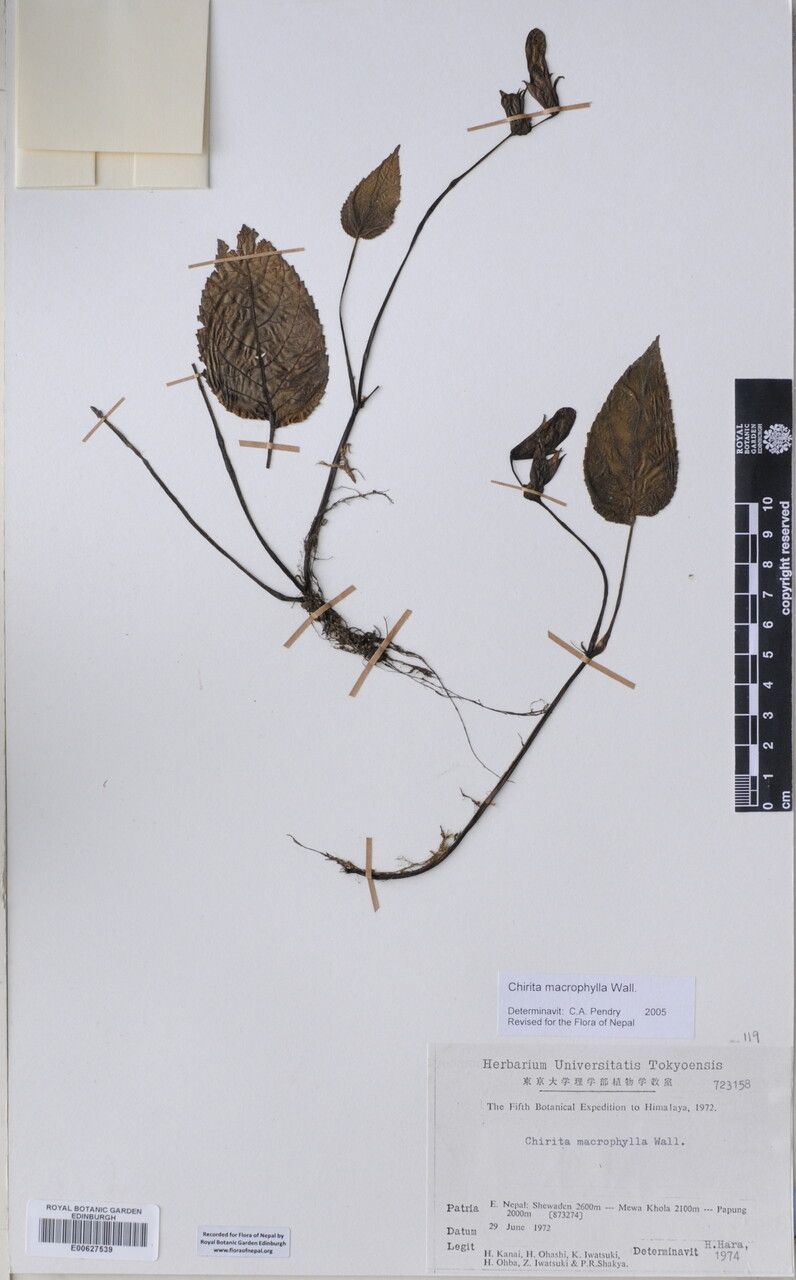
Oh, hello there! Come on in, grab a mug. Let’s chat about Henckelia grandifolia. I’m so excited to share this with you.
Bringing More Henckelia Grandifolia into Your Life
There’s something truly special about Henckelia grandifolia, isn’t there? Those gorgeous, large leaves just have a way of commanding a room. Plus, knowing you’ve grown it yourself, from a tiny cutting or division, adds a whole extra layer of joy. It’s not the most common plant to find at every nursery, so propagating it is a fantastic way to share it with friends or simply expand your own collection. Is it easy for beginners? Well, I’d say it’s moderately easy, but with a few of my tricks, you’ll be a pro in no time.
The Best Time to Start Your Henckelia Adventure
For Henckelia grandifolia, the spring and early summer are your best friends. This is when the plant is actively growing, and cuttings or divisions will have the most energy reserves to put into establishing themselves. Think of it as their spring awakening – everything is just primed for new growth!
Supplies You’ll Need
Gathering your tools beforehand makes the whole process so much smoother. Here’s what I always have on hand:
- Sharp pruning shears or a clean knife: For taking clean cuts on stems or dividing root balls.
- Rooting hormone (optional but recommended): Helps cuttings develop roots faster. I like a powder or gel.
- Well-draining potting mix: A good blend of peat moss, perlite, and a bit of coarse sand works wonders for Henckelia. You can also find pre-made aroid or houseplant mixes.
- Small pots or propagation trays: Clean pots are essential to prevent disease.
- Clear plastic bags or a propagation dome: To create a humid microclimate.
- Watering can with a fine rose: For gentle watering.
- Spray bottle: For misting.
- Labels and a marker: To keep track of what you’ve propagated and when.
Propagation Methods: Let’s Get Our Hands Dirty!
Henckelia grandifolia is quite amenable to a couple of straightforward propagation methods.
Stem Cuttings: The Classic Approach
This is my go-to for Henckelia. It’s often the quickest way to get a new plant.
- Select Your Stem: Look for a healthy, mature stem that has at least two or three sets of leaves. You want a piece that looks robust and isn’t too woody or too soft.
- Make the Cut: Using your sharp pruning shears or knife, make a clean cut about an inch below a leaf node (that’s where the leaf attaches to the stem). Get as close to the node as possible.
- Prepare the Cutting: Gently remove the lowest leaf or two. This exposes the node, which is where roots will emerge.
- Apply Rooting Hormone (Optional): Dip the cut end of the stem into your rooting hormone. Tap off any excess.
- Plant Your Cutting: Fill your small pot with your well-draining potting mix. Make a pilot hole with your finger or a pencil. Insert the cut end of the stem into the hole, ensuring the node is below the soil surface. Gently firm the soil around the stem.
- Water Gently: Water the soil thoroughly until it’s evenly moist, but not waterlogged.
- Create Humidity: Place the pot into a clear plastic bag or cover it with a propagation dome. This creates a mini greenhouse effect, keeping the humidity high, which is crucial for cuttings to root without drying out. Make sure the leaves aren’t touching the plastic if possible.
Division: When Your Plant is Feeling Generous
If your Henckelia has become quite large and is producing multiple offsets at the base, division is an excellent option.
- Gently Remove from Pot: Carefully slide the entire plant out of its pot. It’s often easier to do this when the soil is slightly dry.
- Inspect the Root Ball: Gently tease apart the soil to reveal the root system and any offsets. You’re looking for separate sections of the plant that have their own root structure.
- Make the Separation: Using your clean knife or pruning shears, carefully cut through the root ball to separate the offsets. Try to ensure each division has a good amount of roots attached.
- Pot Up the Divisions: Pot each division into its own container with fresh, well-draining potting mix.
- Water and Place: Water each division lightly and place them in a spot with bright, indirect light. Keep them well-hydrated but not soggy.
The “Secret Sauce”: My Insider Tips
Here are a few things I’ve learned over the years that can really boost your success rate:
- Bottom Heat is Your Friend: For stem cuttings, placing your pots on a seedling heat mat can make a world of difference. This gentle bottom warmth encourages root development much faster than ambient room temperature alone.
- Air Circulation is Key: While you want that high humidity for cuttings, you don’t want stagnant air, which can lead to fungal issues. Open the plastic bag or dome for a few minutes each day to allow for some air exchange. It also helps the plant toughen up a bit before you remove the cover completely.
- Don’t Rush the Water: When you first plant your cuttings or divisions, resist the urge to overwater. It’s better to have them slightly dry than waterlogged at this delicate stage. The humidity you’ve created will help keep them turgid until they start rooting.
Aftercare & Troubleshooting
Once you start seeing signs of new growth – a tiny leaf unfurling or a thicker base on your stem – that’s usually a good indicator that roots are forming!
- Gradual Acclimation: When your cuttings have established roots, slowly begin to acclimate them to normal room humidity. Gradually open the plastic bag or dome more each day over the course of a week or so.
- Consistent Watering: Once your new plants are fully potted and out of their humid environment, water them when the top inch of soil feels dry to the touch.
- Bright, Indirect Light: Place your propagated plants in a location that receives plenty of bright, but filtered, indirect light. Direct sun can scorch their new leaves.
What if things go wrong? The most common issue is rot, which usually stems from overwatering or poor drainage. You’ll see the stem turn mushy and brown, or the leaves might start to yellow and fall off. If you spot this, remove the affected cutting immediately and check your watering and soil drainage. It’s a learning curve, and sometimes propagation doesn’t work out, but don’t get discouraged!
Keep Growing!
Propagating plants is such a rewarding journey. It’s about patience, observation, and a little bit of love. Don’t be afraid to experiment. Enjoy the process, celebrate the small victories, and soon you’ll have a whole collection of beautiful Henckelia grandifolia spreading throughout your home! Happy growing!
Resource:
https://identify.plantnet.org/k-world-flora/species/Henckelia%20grandifolia%20A.Dietr./data