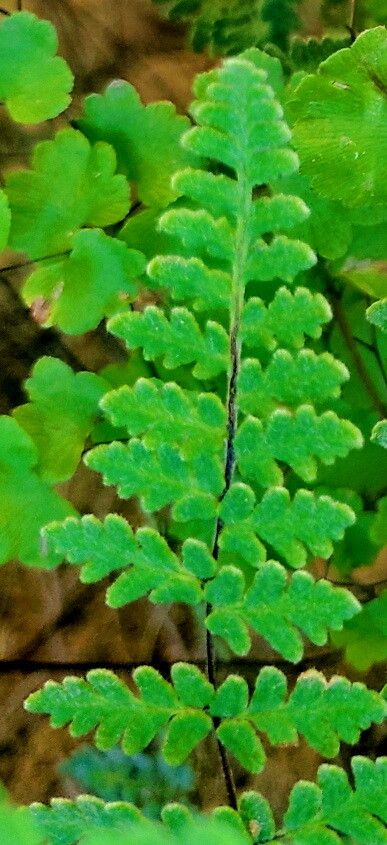
Hello fellow plant lovers! Today, we’re diving into the wonderful world of Hemionitis hypoleuca, often called the “waffle fern.” If you’ve ever admired its unique, textured fronds, you’re not alone. They have this beautiful, almost velvety underside that just draws you in. And the best part? You can easily multiply this beauty right at home!
Propagating Hemionitis hypoleuca is a little journey, and while it’s not as straightforward as say, a pothos cutting, it’s absolutely achievable and incredibly rewarding. Seeing a tiny new plant unfurl from a piece of its parent is pure gardening magic, and I think even beginners can have success with a little patience and these tips!
The Best Time to Start
My golden rule for most propagation is to work with the plant’s natural growth spurt. For waffle ferns, this typically means springing is your best bet. The warmer temperatures and increasing daylight hours give your cuttings or divisions a real boost, helping them establish roots more quickly and with less stress. So, aim to get started as your plant is happily waking up from its winter slumber.
Supplies You’ll Need
Gathering your tools before you start makes the whole process smoother. Here’s what I recommend:
- Sharp, clean pruning shears or a sharp knife: Essential for making clean cuts and preventing disease spread.
- Well-draining potting mix: A good mix for ferns often includes peat moss, perlite, and compost. You want something that holds moisture but doesn’t stay waterlogged.
- Small pots or propagation trays: Choose something with drainage holes.
- Spray bottle: For misting, crucial for keeping humidity up.
- Plastic bag or propagation dome: To create a mini-greenhouse environment.
- Optional: Rooting hormone: While not strictly necessary for Hemionitis, it can give cuttings an extra little nudge. Choose a powder or gel formulated for leafy cuttings.
- Optional: Bottom heat mat: If your house tends to be a bit cool, this can really speed things up.
Propagation Methods
Hemionitis hypoleuca can be propagated primarily through division and, with a bit of careful attention, stem cuttings.
Division: The Most Reliable Way
This is my go-to for Hemionitis because it’s usually the most successful.
- Gently remove the plant from its pot. If it’s root-bound, you might need to carefully loosen the soil around the edges.
- Examine the root ball. Look for natural divisions where new rhizomes (those thick, creeping stems) are forming. You’re looking for sections that have both roots and a few healthy fronds.
- Carefully separate the divisions. You can use your fingers to gently tease them apart, or if they’re really snug, use your clean pruning shears or knife to cut through any connecting rhizomes. Make sure each division has a decent amount of roots.
- Pot up each division. Place them in their own small pots filled with your well-draining fern mix. Plant them so the top of the root ball is just at the soil surface.
- Water thoroughly. Ensure the soil is evenly moist but not soggy.
- Place in a humid spot. Cover the pots loosely with a plastic bag or propagation dome, and keep them out of direct sunlight.
Stem Cuttings: A Little More Patience Required
This method is a bit trickier because Hemionitis doesn’t readily form readily rootable cuttings like some other plants.
- Identify a healthy rhizome. Look for a section of the rhizome that has at least one or two healthy fronds attached and is showing signs of new growth.
- Make a clean cut. Using your sharp knife or shears, cut about one inch behind the point where the frond emerges from the rhizome.
- Prepare the cutting. If you’re using rooting hormone, dip the cut end into it as per the product instructions.
- Plant the cutting. Gently insert the cut end into your prepared potting mix. You want the rhizome with the frond attached to be sitting at or just slightly above the soil line.
- Create a humid environment. This is crucial. Mist the cutting and the soil surface generously and cover the pot with a plastic bag or dome.
- Keep it consistently moist and humid. Check the soil daily and mist as needed. Avoid letting the soil dry out.
The “Secret Sauce” (Pro Tips)
Here are a few things I’ve learned over the years that can make a big difference:
- Don’t let the fronds touch the water (if attempting water propagation): While some ferns can do well with water propagation, Hemionitis is a bit fussier. If you’re trying cuttings and worried about rot, stick to soil. If you do try a water method, ensure only the cut end of the rhizome is submerged, and keep the fronds well above the water line.
- Bottom heat is your friend: If you are struggling to get cuttings to root, placing your pots on a gentle heat mat can significantly increase your success rate. It mimics the warm soil conditions that encourage root development.
- Be ruthless with brown bits: If you see any browning or yellowing on your cuttings or divisions, carefully snip it off. This helps the plant focus its energy on new growth rather than trying to salvage damaged parts.
Aftercare & Troubleshooting
Once your divisions or cuttings show signs of new growth (tiny new fronds unfurling!), you’re on your way!
- Gradually acclimate: Once roots have formed (you might gently tug on a frond and feel resistance, or see roots peeking from the drainage holes), slowly remove the plastic bag or dome over a week or so. This allows the new plant to adjust to normal humidity levels.
- Continue with bright, indirect light and consistent moisture.
- Watch for common issues: The biggest culprit for failed propagation is overwatering leading to rot. Your soil should be consistently moist, but never waterlogged. If you see mushy stems or the fronds turning black and limp, it’s likely root rot. In this case, the cutting or division is probably lost. Underwatering can cause fronds to crisp up. Ensure your humidity is maintained.
A Encouraging Closing
Propagating plants is an exercise in patience and observation. Don’t be discouraged if your first attempt isn’t a roaring success. Each plant and each season is a little different. Celebrate the tiny victories, and enjoy the process of nurturing new life. Happy propagating, and may your home be filled with many beautiful waffle ferns!
Resource: