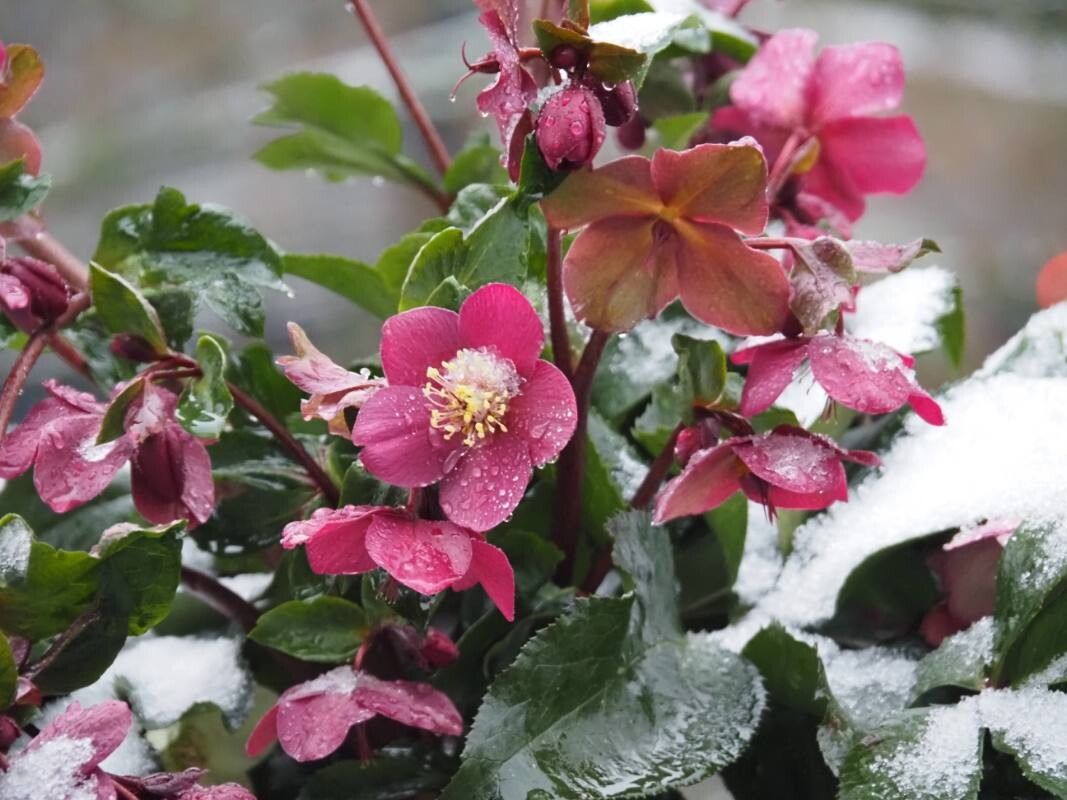
Oh, hello there, fellow plant lover! If you’ve ever admired the exquisite, nodding blooms of Helleborus orientalis, or Lenten rose as it’s often called, you’re in for a treat. There’s something so satisfying about taking a plant you adore and coaxing new life from it. And the good news? While they’re not exactly a beginner’s first foray into propagation—they can be a little finicky—they are certainly achievable with a touch of patience and a bit of know-how. I’ve been working with these beauties for two decades, and I’ve learned a thing or two that I’m eager to share.
The Best Time to Start
For me, the sweet spot for propagating Lenten roses is definitely late spring to early summer, right after they’ve finished their spectacular flowering display. This is when the plant has stored up plenty of energy and is ready to put it into new growth. You want to catch them when they are actively but not aggressively growing.
Supplies You’ll Need
Gathering your tools beforehand makes the whole process much smoother. Here’s what I like to have on hand:
- Sharp, clean pruning shears or a sharp knife: Essential for making clean cuts.
- Rooting hormone (optional but helpful): I find it gives a little boost to stem cuttings.
- Well-draining potting mix: A good blend is crucial. I often use fifty-fifty perlite and a good quality peat-free compost. Some folks swear by a mix of coarse sand and compost.
- Small pots or propagation trays: Clean, small containers work best to start with.
- Plastic bags or a propagation dome: To create a humid environment.
- Labels and a permanent marker: Don’t underestimate the importance of labeling!
- Watering can with a fine rose: For gentle watering.
Propagation Methods
Lenten roses can be propagated in a couple of ways, but my go-to is division, as it’s generally the most successful for this plant. Stem cuttings can be a bit more challenging to get to root reliably.
Method: Division
This is your best bet for creating a true clone of your existing plant.
- Digging Up the Plant: In late spring or early summer, when the flowering is done and the plant is showing new leaf growth, it’s time to carefully dig up your Helleborus. Water the plant well the day before to make it easier to extract. Gently ease a spade or fork around the root ball, and lift the entire plant from the ground.
- Cleaning the Roots: Gently shake off excess soil so you can see the root structure. You’re looking for natural divisions where the plant has grown into clumps.
- Separating the Divisions: With clean hands or a sharp knife, carefully separate the root ball into smaller sections. Each section should have a good amount of healthy roots and at least one or two leafy shoots. Don’t be afraid to be firm but gentle. If there are really stubborn clumps, a sharp spade can help.
- Potting Up: Plant each division into its own pot filled with your well-draining potting mix. Make sure the crown of the plant (where the leaves emerge from the roots) is just at the soil surface.
- Watering and Placement: Water thoroughly but gently. Place the newly potted divisions in a shady, sheltered spot outdoors. They don’t like direct sun, especially when they are recovering.
The “Secret Sauce” (Pro Tips)
Here are a couple of little tricks I’ve picked up over the years that really make a difference:
- Don’t Overwater the Divisions: This is crucial. Lenten roses hate sitting in soggy soil. While they need moisture, it should be consistent, not waterlogged. Yellowing leaves are often a sign of too much water.
- Bottom Heat is Your Friend (for Cuttings, if you try them): If you do decide to try stem cuttings (get a piece of stem with a leaf and a node, dip in rooting hormone, and stick in a sandy mix), a gentle bottom heat from a propagation mat can significantly increase your success rate in getting them to root.
Aftercare & Troubleshooting
Once your divisions are potted, keep them in that shady, protected spot. Water them when the top inch of soil feels dry. You should start to see new growth within a few weeks.
The most common problem you might encounter is rot, usually caused by overwatering or poor drainage. If you see leaves turning yellow and mushy at the base, or a seedling wilting and going black, this is a strong indicator of rot. Discard any affected plants immediately to prevent it from spreading. Don’t get discouraged if a few don’t make it – it’s all part of the learning process.
A Gentle Encourage
So there you have it! Propagating Helleborus orientalis might take a little patience, but the reward of watching those new plants establish and eventually bloom is simply wonderful. Be kind to yourself, observe your plants, and most importantly, enjoy the quiet satisfaction that gardening brings. Happy propagating!
Resource:
https://identify.plantnet.org/k-world-flora/species/Helleborus%20orientalis%20Lam./data